Exposure Doesn’t Pay the Rent
Working for exposure has become normal in music photography. Here is why it is exploitation, who it really shuts out, and who actually deserves the blame.
Every working photographer knows the offer.
“There is no budget, but it will be great exposure. It will look brilliant in your portfolio. The access is the payment”
It sounds almost reasonable, right up until you try to pay the rent with exposure. Ever been to Tesco and tried to get your groceries free of charge by telling the cashier it will be good exposure for the supermarket because you have a large social following.
Ever tried to get a mortgage by telling the bank that you get to see a s**t load of free gigs… and photograph them. How epic is that! So obvs…. of course can make the repayments you tell them as they laugh you out of the office.
Working for exposure has quietly become the default in live music, and it is worth saying plainly what it is, who it harms, and who is responsible, because the usual telling of this story gets the last part badly wrong.
Working for exposure is just unpaid work
Strip the friendly language away and working for exposure means doing skilled, professional work for nothing.
The kit, the years of practice, the long drive, the night editing, all of it in exchange for a credit and a vague promise that someone important might see it.
Photographers have organised against exactly this. The #NoFreePhotos movement saw shooters form an unofficial union to protest brands and influencers using their images without paying a penny.
The line that movement lives by is the right one. Exposure is what people die of.
Working for exposure. The cynical version of music photography in 2026
The offer gets a fresh coat of paint when it is aimed at newcomers, or pitched as an opportunity for underrepresented or marginalised creatives.
A free door into the industry. A leg up for people who have historically been kept out.
Except it is the opposite of a door, and here is why.
The single biggest barrier to becoming a photographer is money. Working for exposure does nothing to help that.
working professional kit runs well past £30,000, as I broke down in what concert photography gear really costs. And the people that price tag shuts out are not random. The creative industries are already one of the most exclusive corners of the economy.
In film, TV, video, radio and photography, just 8.4% of people come from a working-class background.
Across arts, culture and heritage more broadly, 60% of the workforce grew up in a household headed by someone in a managerial or professional job, against 43% of the workforce as a whole, and 90% of the workforce is White, higher than the 85% across the economy.
The Sutton Trust found that among under-35s there are roughly four times as many people from middle-class backgrounds as working-class ones in creative jobs.
In other words, this is a sector that already selects hard for people with money behind them.
So working for exposure and an unpaid opportunity aimed at underrepresented creatives lands on exactly the people who can least afford to take it.
It is exploitation wearing the language of inclusion. The very people it claims to lift up are the ones it quietly keeps out, because only those who can already afford to work for free are in a position to say yes.
A genuine opportunity pays. Everything else is a filter that selects for wealth and calls itself diversity.
The stats and where they come from:
In film, TV, video, radio and photography, just 8.4% of people identify as being from a working-class background. This is the killer figure because it is your exact field. Source: Creative Industries Policy and Evidence Centre, National Statistics on the Creative Industries. https://pec.ac.uk/news_entries/national-statistics-on-the-creative-industries/ Blanc Creative
60% of arts, culture and heritage workers grew up in a household where the main earner was in a managerial or professional role, compared with 43% for the whole workforce, and 90% of the arts, culture and heritage workforce is White, against 85% in the general workforce.
Same Creative PEC source as above.
Among those aged 35 and under, there are around four times as many people from middle-class backgrounds as working-class backgrounds in creative occupations. Source: Sutton Trust / University of Edinburgh, 2024. https://www.suttontrust.com/news-opinion/all-news-opinion/research-reveals-stark-class-inequalities-in-access-to-the-creative-industries/
It is tempting to resent the photographers shooting for free for dragging everyone’s rate down.
DON’T
They are mostly the symptom, not the cause, and very often they are doing the only thing the system has left open to them.
Blaming the person priced into working for nothing is blaming the wrong end entirely.
The blame sits squarely with the people holding the budgets. The artists, festivals, promoters and brands who choose to dress unpaid labour up as a favour.
When a tour grossing millions offers a photographer exposure instead of a fee, that is not charity and it is not a break for the little guy.
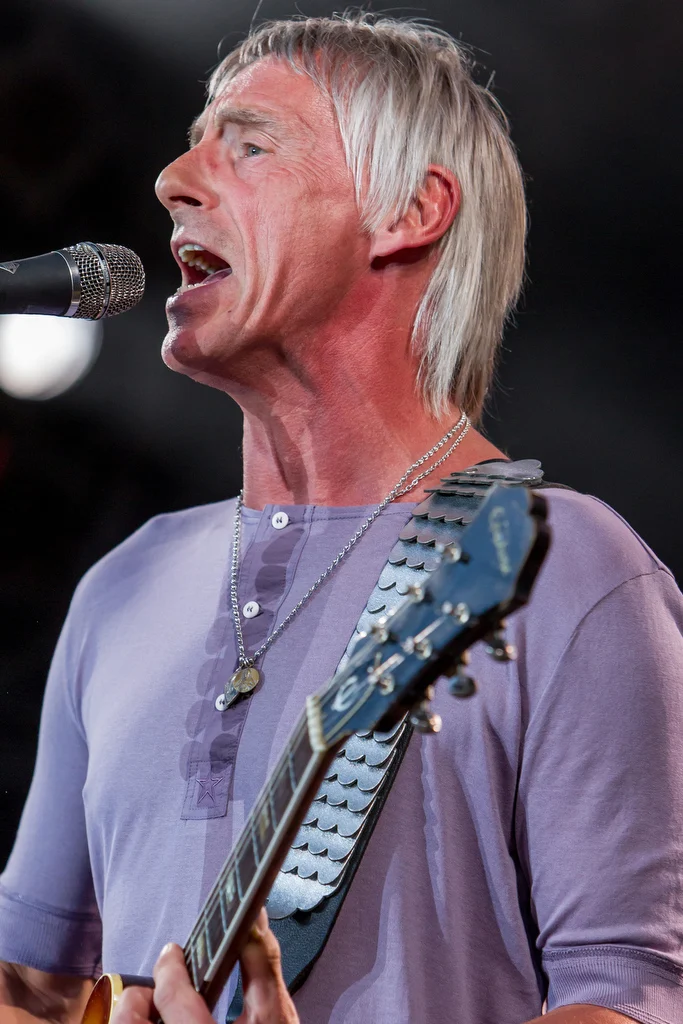
That is a business that has decided your work is worth nothing, and found a flattering way to say so.
The same disrespect, harder edges
Working for exposure is one end of a spectrum of how the industry treats the people who document it, and the other end is uglier.
It is the same mindset that produces the rights grabs.
The Stone Roses once asked photographers to surrender all rights to their images for £1, a fight I covered in Who owns your concert photos – Photography Law.
At its worst it tips into open contempt. Queens of the Stone Age frontman Josh Homme kicked a photographer at a show and left her needing hospital treatment, before apologising and admitting he had no excuse.
A culture that treats the image-maker as free labour and working for exposure is only a short step from treating them as disposable.
What good looks like

It is not complicated. Pay people for skilled work. Credit them. Agree fair usage up front, in writing.
The artists and promoters who do this get better images, looked-after relationships and photographers who go the extra mile, because they are valued rather than used. Fair is not only decent.
It is the better deal.
The honest truth
Working for exposure has never paid a bill, fixed a lens or filled a tank. It is not a currency.
It is a word businesses reach for when they have decided not to pay you and would rather you did not notice.
And the cost is bigger than one photographer’s invoice. An industry that only lets in the people who can afford to work for free will, in the end, only be photographed by the people who can afford to work for free.
It will look exactly that narrow, and it will keep telling itself it tried. The fix is the least glamorous sentence in the business, and the only one that works.
Pay the photographer.
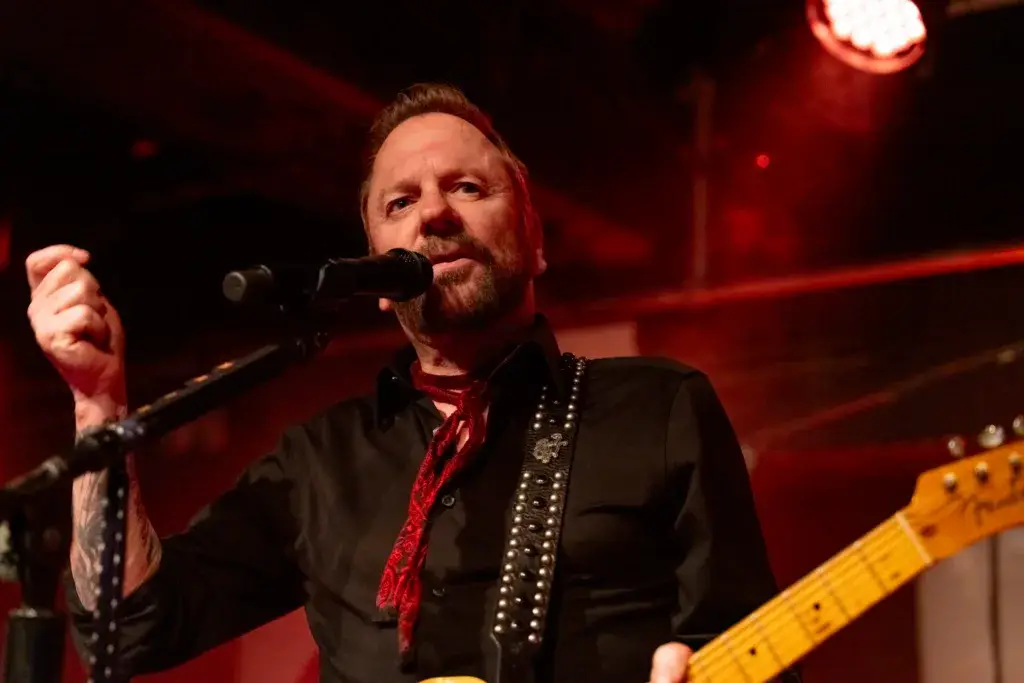
At Blanc Creative we believe in being paid fairly and paying fairly, and in crediting and looking after the people we work with.
If you book live music and want a crew valued and treated properly, on terms that respect everyone in the chain, see the work on our More Than Just Music page, or call Lee direct on 07871 364041.