Music photographer earnings in 2026.
Why the hundreds-per-photo myth is wrong, what concert images actually sell for, and what it really costs to be in the pit.
The biggest myth about music photographer earnings is that there is a fortune in it.
People see a shot of their favourite band splashed across a paper and assume the photographer banked hundreds, maybe thousands, for that single frame.
The reality is so far from that it is almost funny, and after a so many years of doing this job, I think it is worth being honest about how little you get and why we shoot music.
This isn’t a moan. It is a straight look at the numbers, because the gap between what people imagine and what actually lands in a photographer’s account tells you everything about the state of the industry in 2026.
When people tell me I must be loaded with a ll the gigs I shoot, I often ask ‘how much do you think an average stage image would sell for if it’s in a UK online article on one of the main newspaper sites.

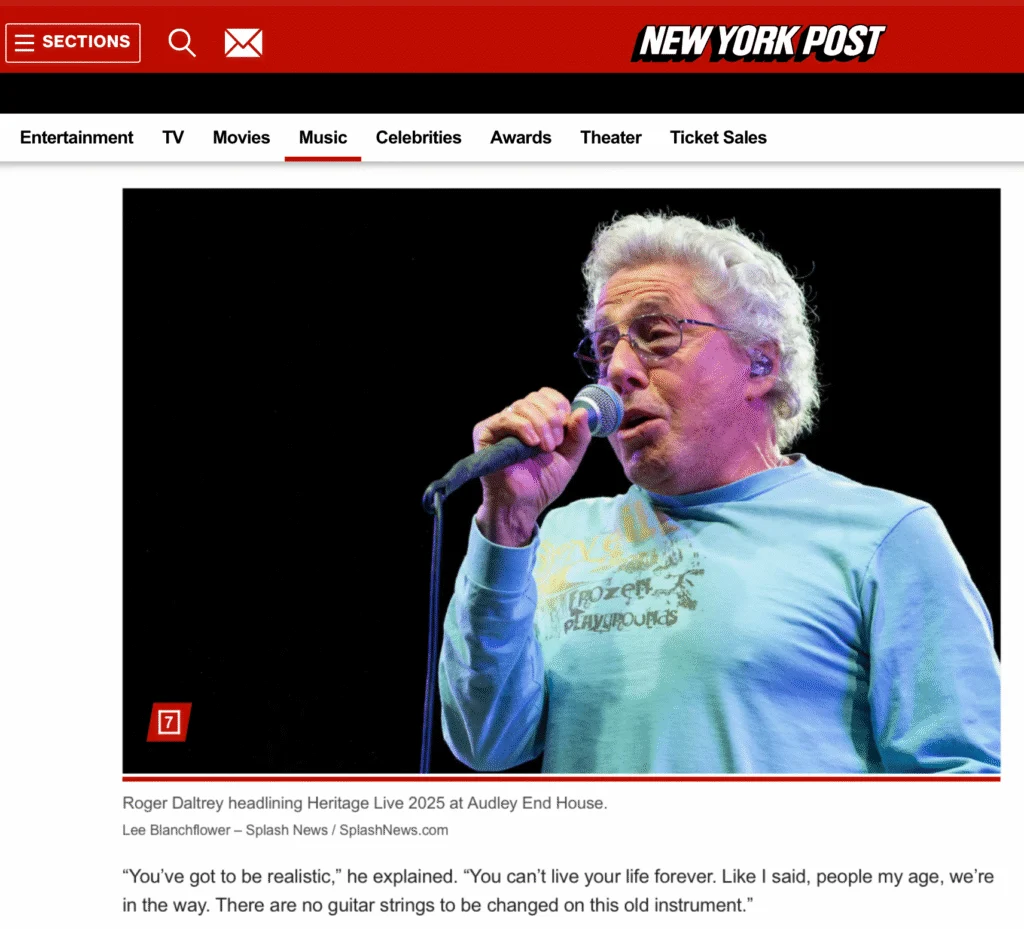
The answer I usually get is “Oh, you probably get a few hundred quid per image.”
If only… How nice would that be… ?
This is exactly why it’s time to set the record straight, pure and simply
The truth about music photographer earnings
Let me start with what the work is supposed to pay.
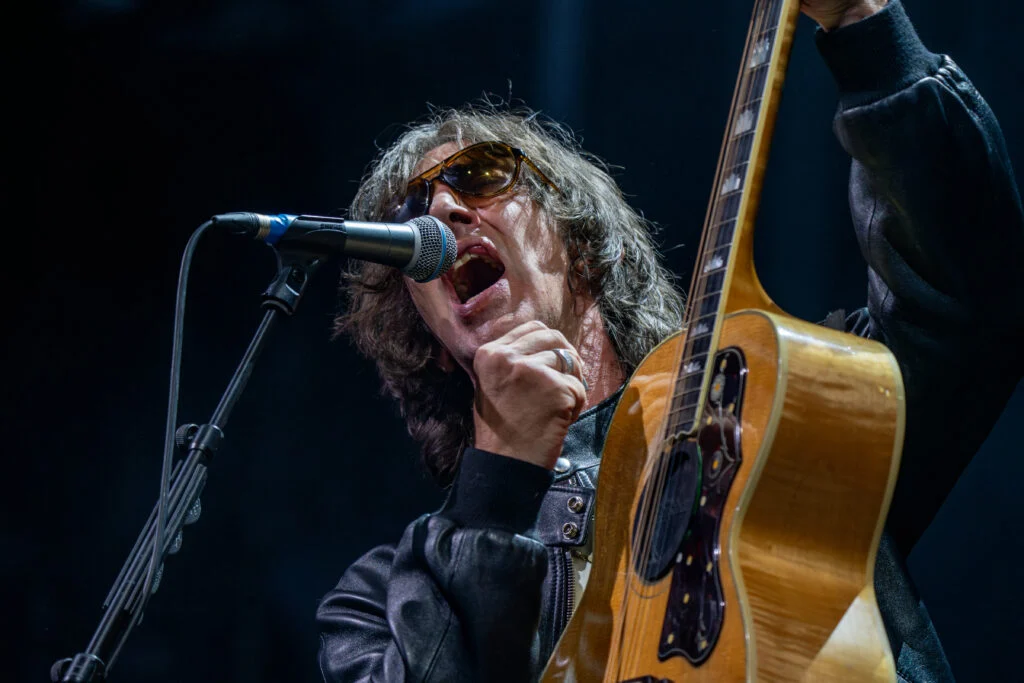
The National Union of Journalists is clear that no photographer should work for less than £300 a day, and that the real floor, the figure below which you cannot afford to work, should start nearer £400 a day before expenses, because it has to cover your kit, your overheads, your holidays, your sick days and a pension, on roughly three paid days a week.
That is the professional baseline, set by the union.
Now the reality: Music and press images routinely sell for a few pounds (or less..In fact…much less)
Online usage can pay pennies.
It is not unusual to license an image, even a strong one of a big name, for a couple of pounds.
The hundreds-per-shot figure is a fantasy left over from a different era.
One photographer described, earlier this year, being paid for a full professional gig with a lift to the venue and a meal from a fast-food drive-through.
That is not an outlier joke. That is the floor falling out.
The NUJ itself admits that static day rates now leave many photographers working below the level at which a professional income is even possible.
When the union representing the trade says that out loud, you know the picture is real.
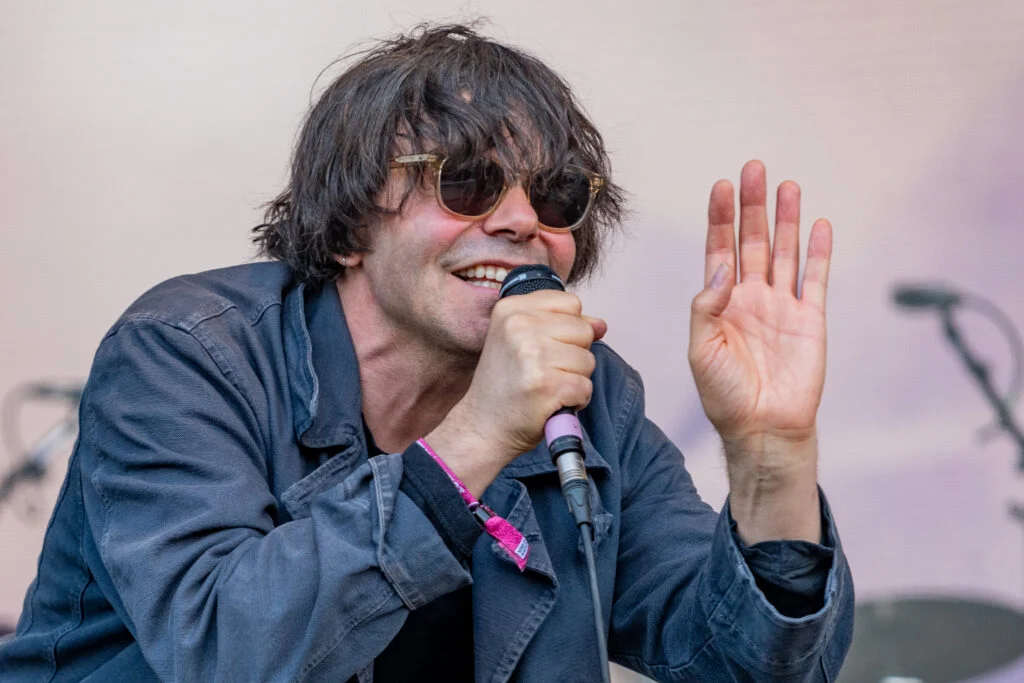
Why Music Photographer Earnings got this bad
This did not happen by accident. A few things stacked up at once.
Streaming replaced physical sales, so artists and labels have less to spend on shoots than they did when an album sleeve mattered.
The collapse of print gutted photojournalism, and staff photographer roles were among the first cut.
With fewer budgets and fewer commissions, outlets increasingly ask the artists to supply their own images for free, which removes the paid photographer from the chain entirely.
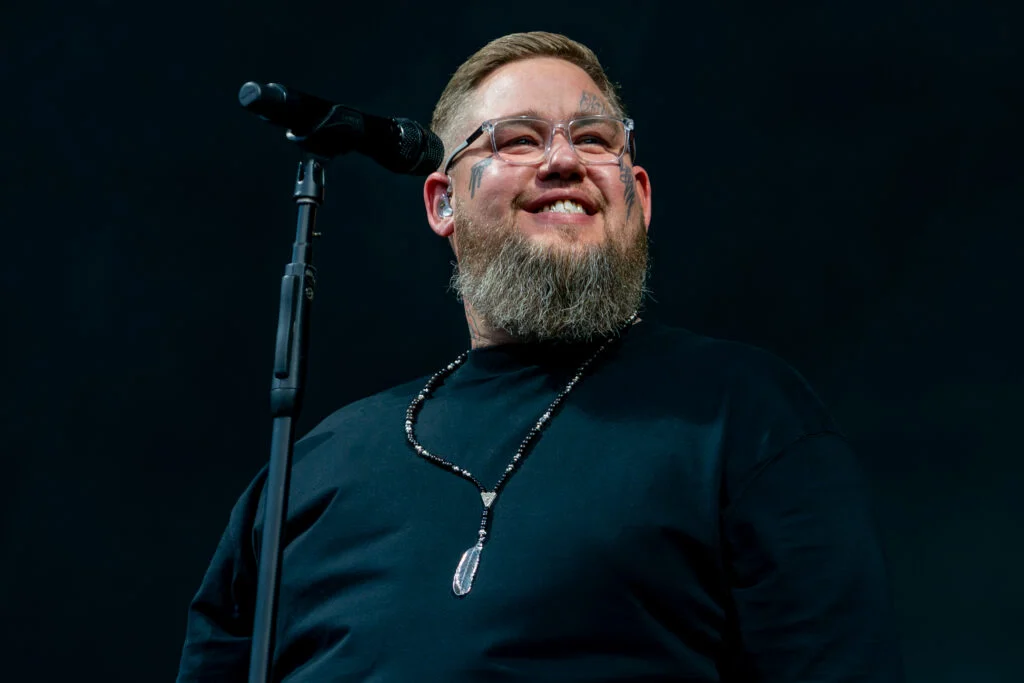
And syndication agencies, the traditional way a freelancer earned beyond the day, often pay less now and take a larger cut.
Add the rights grabs on top, contracts that take your images or expire them after a set period, and the earning model that used to work has been squeezed from every side. I have written about that side (You MUST check out our blog on) WHO OWNS YOUR CONCERT PHOTOS
The costs nobody adds up
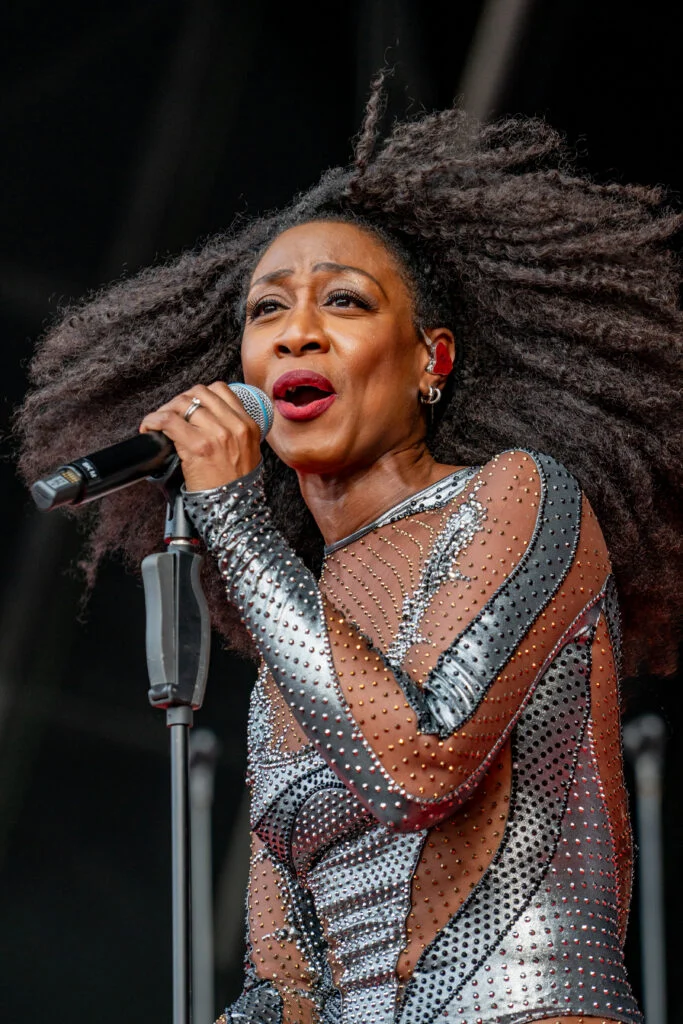
Here is the part that really kills the fortune myth. Music photographer earnings are not just low, they are earned against serious cost.
If you are not a staff shooter for an agency, and very few are, you cover everything yourself.
Travel: Fuel, parking, tolls.
Accommodation: Because you cannot sleep in a tent next to thirty thousand pounds of camera gear with one eye open all night.
Food, drinks, time on the road, often hundreds of miles each way.
The kit itself: Which literally runs well past £30,000 for a working setup. I have broken that down in full in in a separate article called
WHAT CONCERT PHOTOGRAPHY GEAR REALLY COSTS
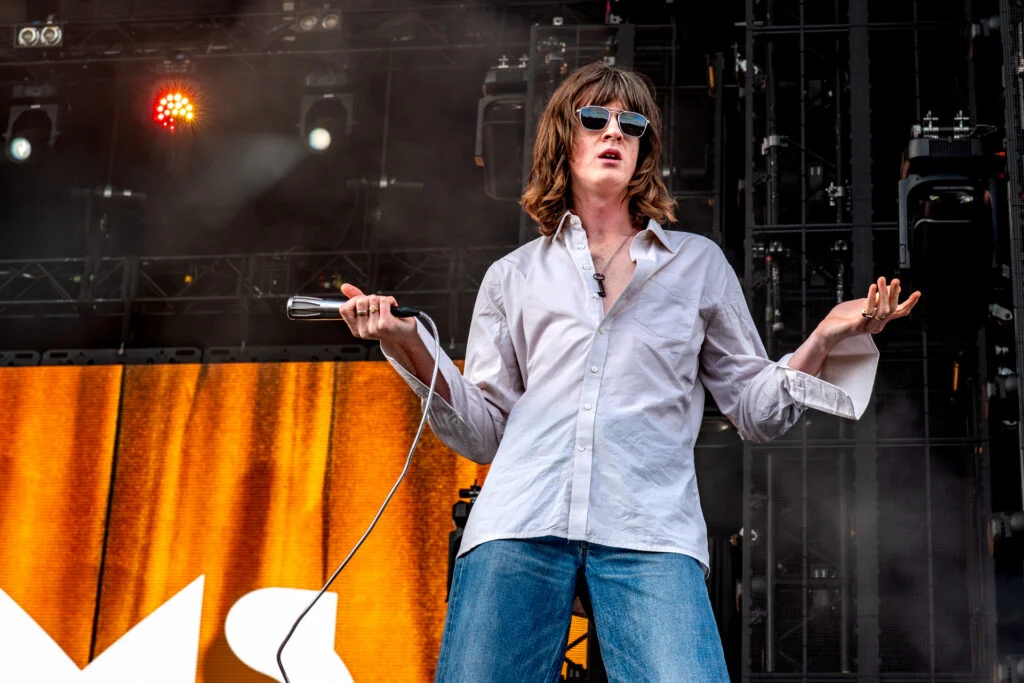
Then there is the pit. Being there guarantees nothing.
At the smallest gig you might be one of six or seven photographers. At a big festival like Glastonbury there can be a hundred or more, all shooting the same three songs, all racing to caption and upload first, because the syndication money goes to whoever scoops it, providing the big names donlt take to the stage with closed pits and no photography access.
The reality is… You pay to be there, you compete to file fastest, and you might still sell next to nothing.
It is a speculative punt, not a guaranteed payday.
So how does anyone make it work? Music Photographer Earnings can be very hit and miss and some people have naturally more options as I’ll explain.
Firstly, many music photographers support their income with full time paid jobs. They shoot nights and weekends, but full time photographers have become quite a rare breed, as hobbyists and part time music photographers subsidise their kit with secondary income. It’s very seldom in 2026, outside of the established names in the music photography industry who work the circuits, to actually bump into people who work as photographers on a full time basis. I think this blog kind of answers a lot of the questions as to why!
Music Photographer Earnings in 2026 are not chasing pennies-per-image syndication as their whole business. They multi-skill, stills, film, drone and same-day social from the same booking.
They work for the clients who genuinely value the work, promoters, venues and artists, rather than the ones expecting free pit labour.
They keep their rights and license fairly.
And they lean into the one thing a saturated market still pays for, a real, accredited professional who turns up and delivers.
That is exactly how we have built it. Music photographer earnings as a single line will not keep the lights on. A proper, multi-stream offer will.
The honest truth
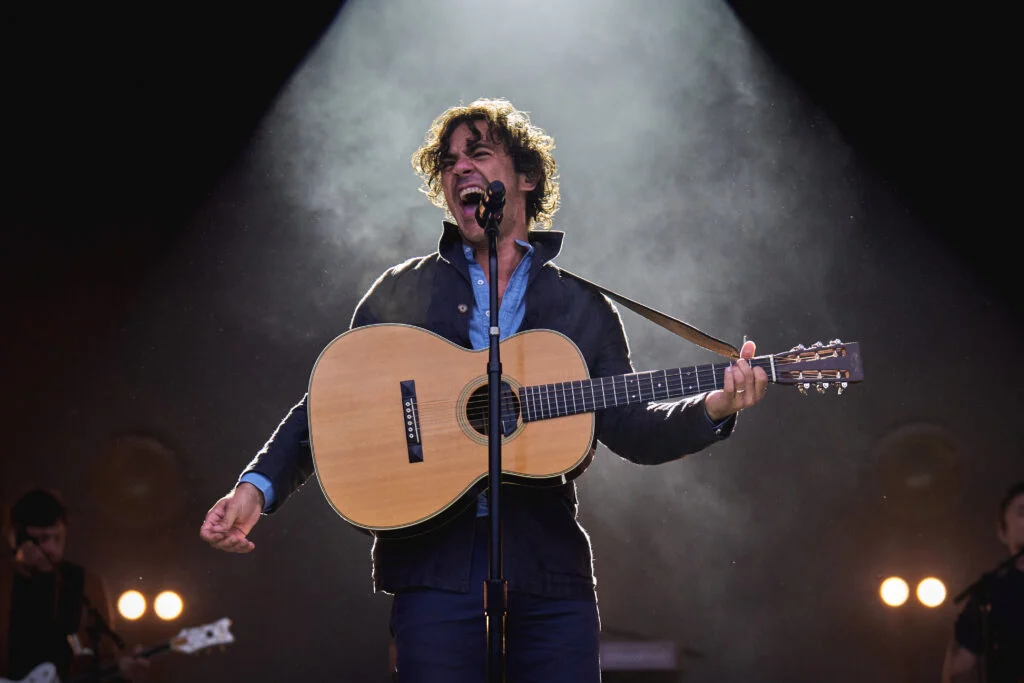
Forest Live 2023
So no, there is no fortune in a single concert photograph. There never really was, unless you were in the right place, at the right time, when Music Photographers shot on film, worked with legends and had the trust of the artists they worked for. Times have changed and not for the best.
The image of the music photographer getting rich off one lucky frame is a story the public tells itself because the results look glamorous and the work is invisible. Nobody sees the four-hour drive, the night in a Travelodge because you cannot leave the kit in a tent, the thirty grand of gear depreciating in the boot, or the hundred photographers in the pit all chasing the same three songs.
What there is, still, is a living, for the people who treat it like a business rather than a lottery ticket.
The ones who survive are not the most talented. They are the most adaptable.
They have stopped waiting for the old model to come back, because it is not coming back, and built something with more than one leg to stand on.
That is the real answer to the myth. Music photography did not stop being valuable.
It stopped paying the people who only knew how to do one part of it. The craft is worth as much as it ever was.
The trick now is owning every part of it, the shooting, the filming, the editing, the rights and the relationships, so that no single fee, however small, decides whether the month works.
The fortune was always a myth. The career does not have to be.
If you book live music and want a crew that has adapted to all of this, see the work on our More Than Just Music page, or call Lee direct on 07871 364041.