Who Owns your Concert Photos : A plain-English guide to concert photography rights in the UK:
Who owns your concert photos, what a photo pass can quietly sign away, and what fair terms actually look like.
You stood in the pit, read the light, timed the shot and nailed it. So you own that photo, right?
Usually, yes. Sometimes, no. And the difference often comes down to a contract you signed without reading, handed to you minutes before doors.
This is the guide I wish someone had given me when I started shooting concerts, written for photographers who want to keep their work, and for the artists, promoters and venues who hire them and want to do it fairly.
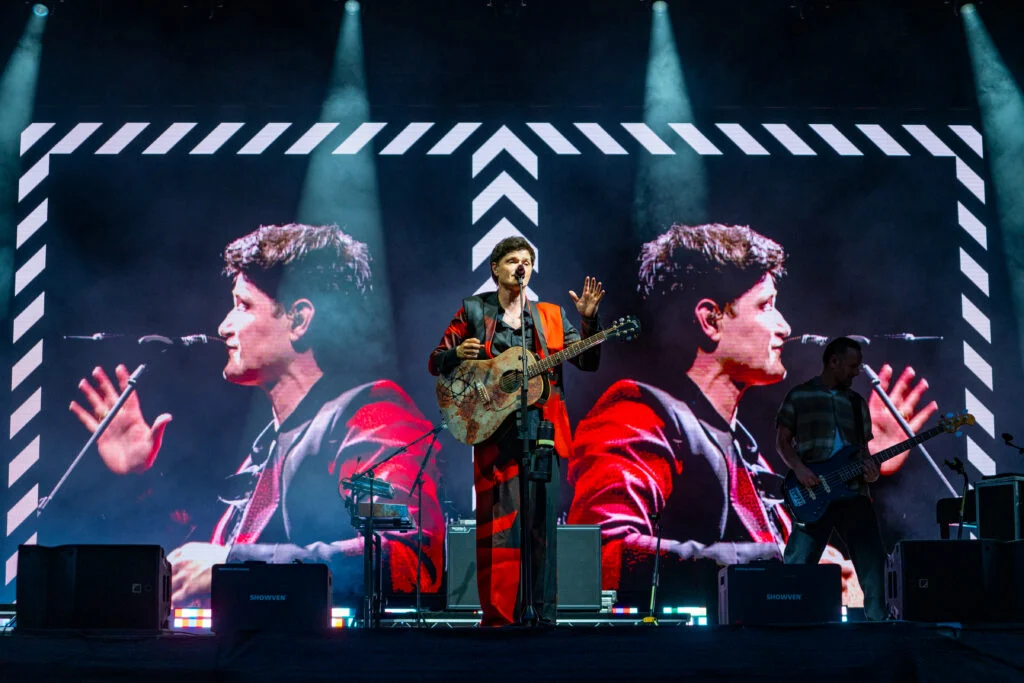

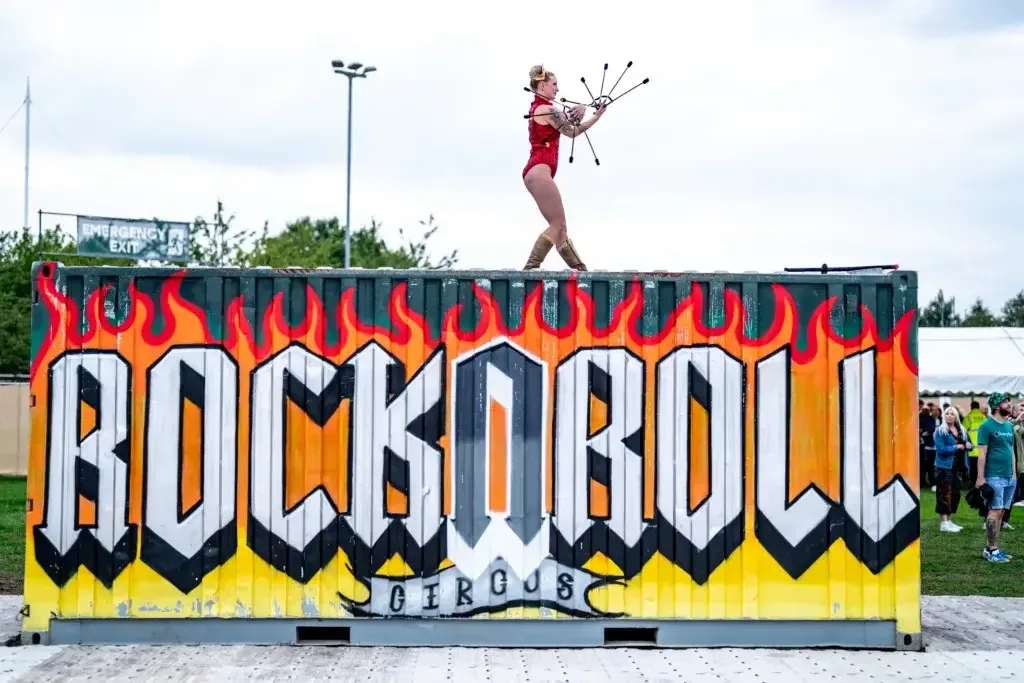
Forest Live 2023
“A quick note before we start. I am a working photographer, not a lawyer. This is general guidance to help you understand the landscape and ask better questions. For anything serious, get proper legal advice.”
The default: you own it the moment you press the shutter
Under UK law, the person who takes a photograph is the first owner of the copyright in it. That is set out in the Copyright, Designs and Patents Act 1988.
You do not have to register anything or add a watermark. The instant the shutter fires, the copyright is yours, and it lasts for your lifetime plus seventy years.
That ownership gives you the exclusive right to copy the image, publish it, license it and earn from it.
It is the whole basis of how a freelance music photographer makes a living, because the real value is rarely the one-off fee. It is the ability to license and re-license the picture for years afterwards.
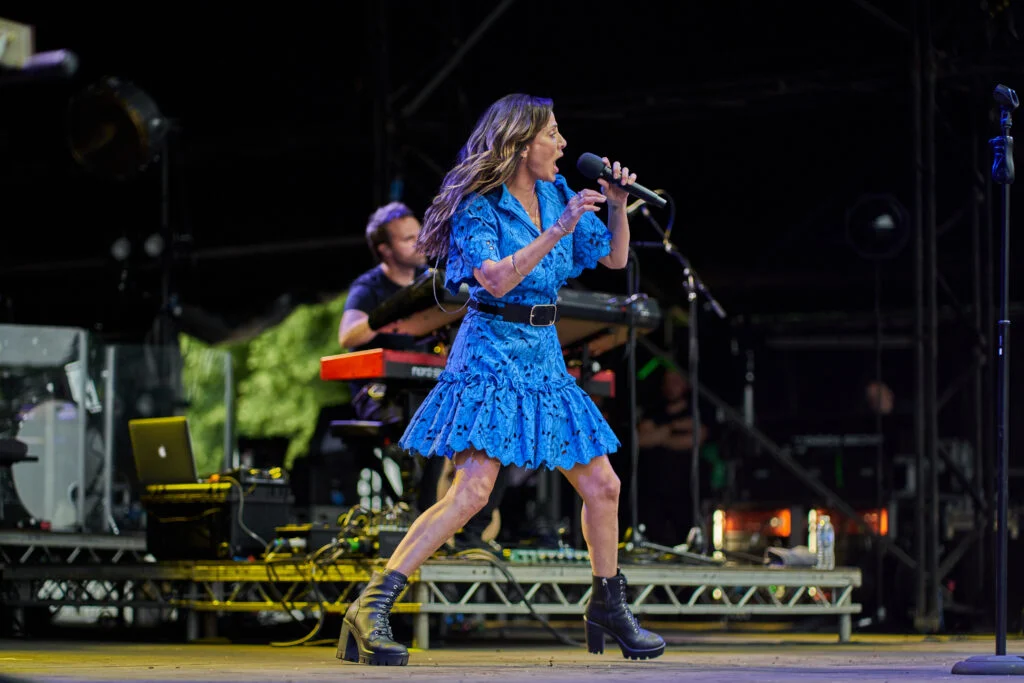
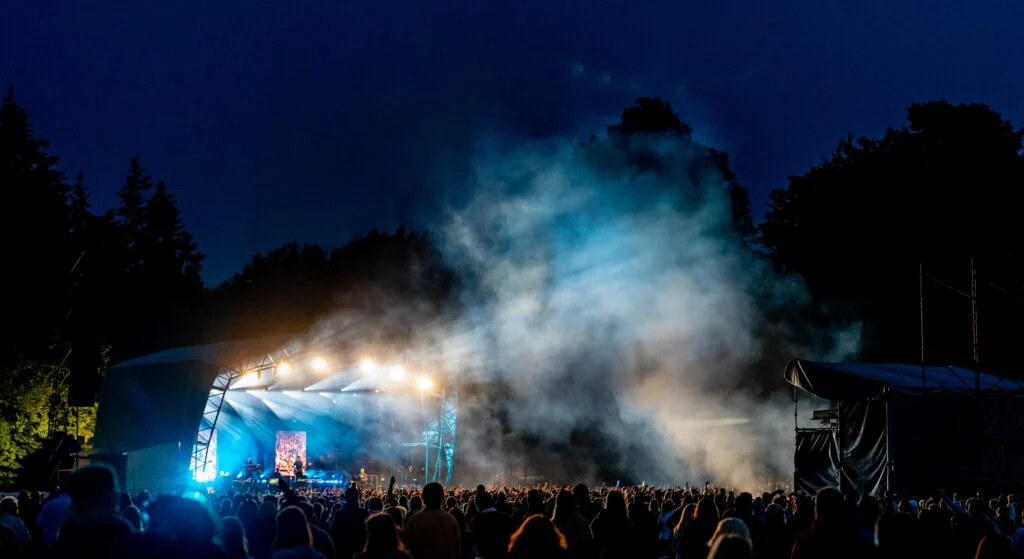
Forest Live 2023 at Thetford High Lodge
There is one important wrinkle people get wrong. Since the 1988 Act came into force, if a client commissions you to shoot, you still own the copyright by default, not them, unless you have agreed otherwise in writing.
The old rule where the person paying owned commissioned photos was scrapped decades ago.
The only common exception is if you are a salaried employee shooting as part of your job, in which case your employer usually owns it.
So if the default is so firmly in your favour, how do photographers end up losing their rights? They sign them away.
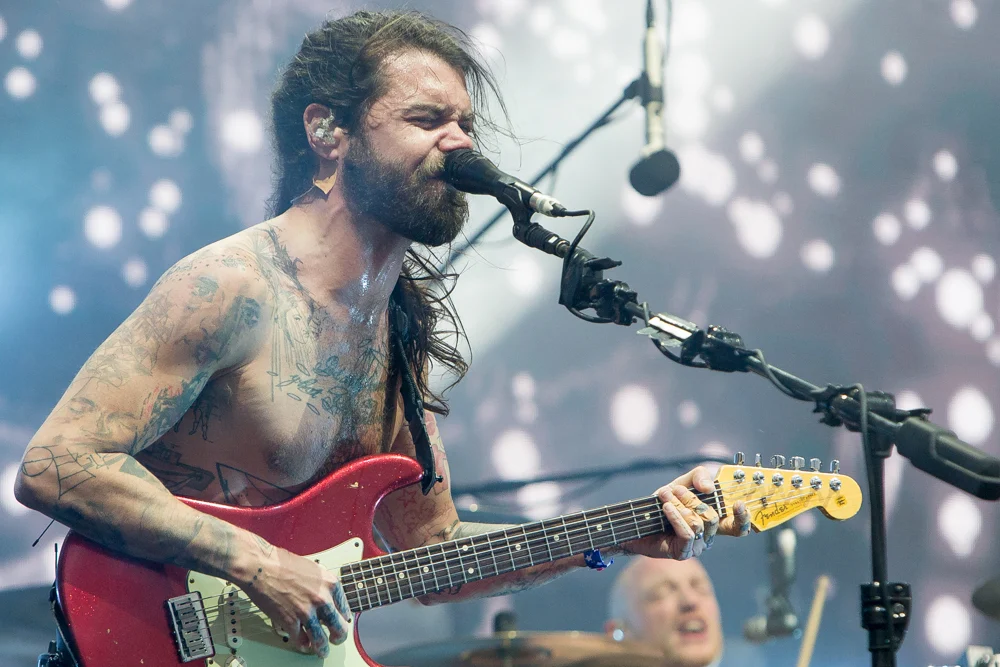
Who owns your concert photos – The catch: the photo pass contract
For anything bigger than a local show you need a photo pass, and increasingly that pass comes attached to a contract.
Some are fair. Some quietly take far more than they give. The pass is dangled as the prize, the contract is the price, and it is often presented at the last minute when you have travelled, you are keen, and you do not want to be the one who walks.
That pressure is the point.
Copyright can only be transferred in writing. That cuts both ways. It means a band cannot claim your images after the show unless you signed something beforehand, but it also means that if you do sign, you can hand over rights you would never give away if you stopped to think.
So the single most valuable habit in this whole business is simple: read the contract before you sign it, every time.
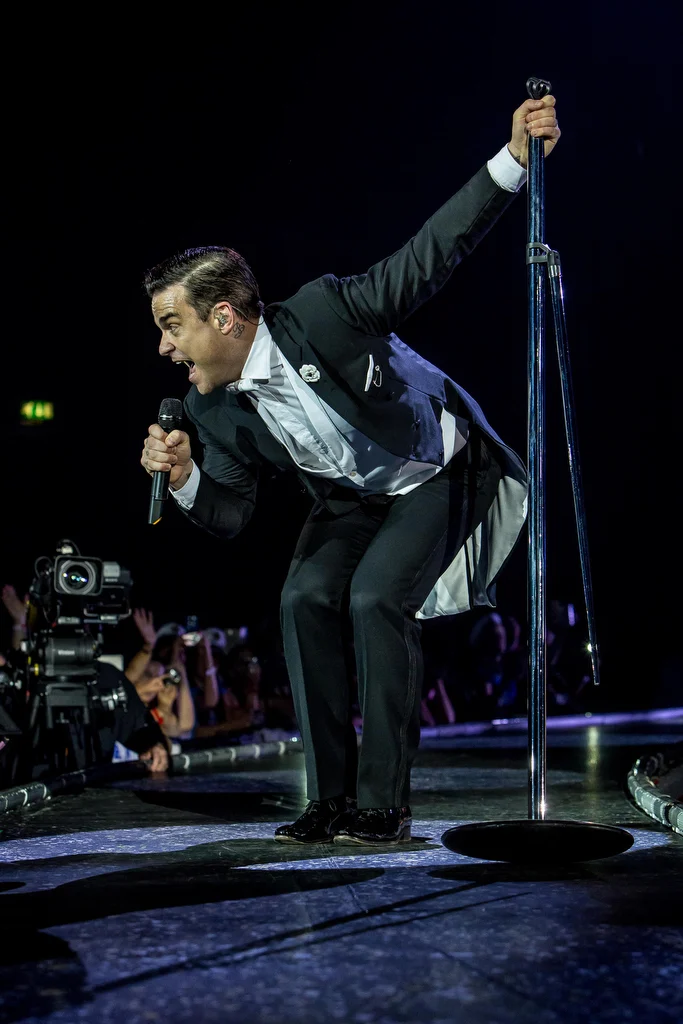
Who Owns your Concert Photos : Here are the clauses that actually matter.
Copyright assignment, or “work made for hire”. This is the big one. A clause that assigns copyright to the band or transfers it as work made for hire means you do not own your own photographs at all. They do. You cannot license them, sell them or even, in some cases, post them yourself without permission. This is the clause that turns a photographer into unpaid labour.
Who Owns your Concert Photos: Rights reversion, or a shelf life.
A newer trick. You keep the rights for a set period, then they revert to the artist. Oasis used a one-year version on their Live 25 reunion tour, and it caused a major row with the press. The image is yours today and gone in twelve months, which destroys its long-term value, because a historic live shot is often worth far more in a retrospective years later than it is on the night. I wrote about that case in detail in the Oasis Live 25 controversy, and it is worth reading as a live example of how this plays out.
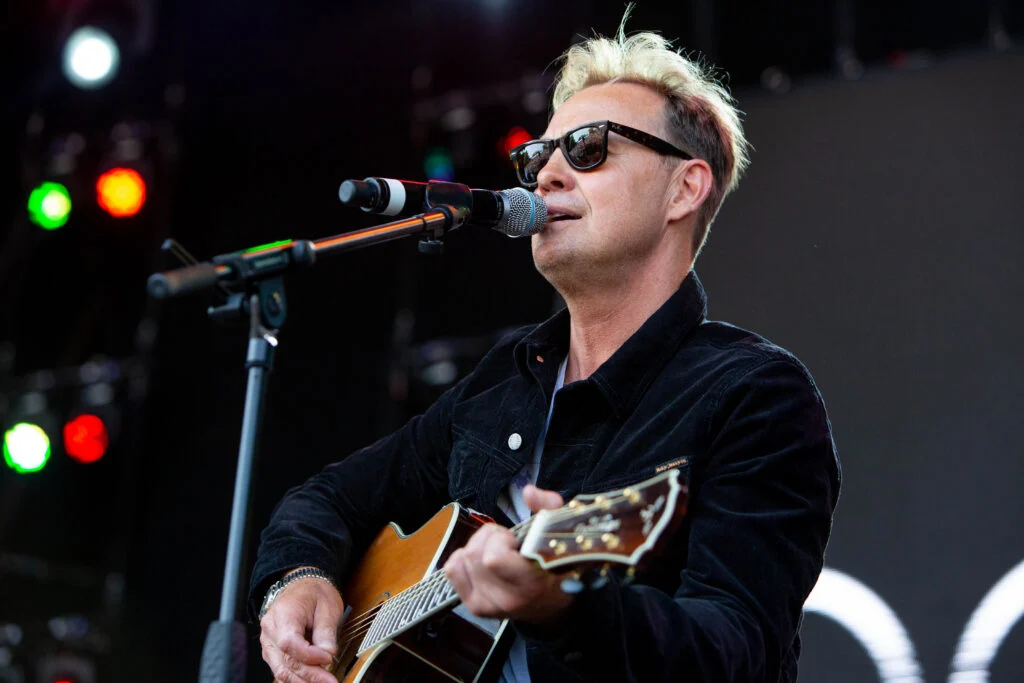
Approval and pre-publication clauses.
These let the artist or management approve or reject which of your images can be published. From their side it is quality control. From yours it is someone else deciding what your work is allowed to be. It also slows everything down, which in news terms can mean missing the window entirely.
Usage restrictions. Editorial use only, one use for a single article, no resale, no commercial licensing. Each restriction chips away at what you can earn from the image after the gig.
Who Owns your Concert Photos – Moral rights waivers.
Watch for a line asking you to waive your moral rights. In the UK these include the right to be identified as the author of your work. Waive it and the image can run with no credit to you at all, which strips away the recognition that builds a career.
None of these are automatically unreasonable on their own. Asking you not to flog a live shot for unofficial t-shirts is fair enough. The problem is the contracts that stack the lot together and hand you a take-it-or-leave-it.

“Three songs, no flash” is the normal bit
It helps to separate the long-standing etiquette from the overreach. At most gigs you shoot the first three songs, no flash, then you step out. That is a fair, decades-old compromise: you get your chances at the shot, the band is not swamped by cameras all night, and nobody signs away anything. That is normal, and you should expect it. I cover the etiquette and the craft of working within it in how to become a concert photographer.
The rights problem is a different thing entirely. It is not about how long you shoot. It is about who owns and controls the images afterwards. A three-songs limit is etiquette. A copyright assignment is a rights grab. Do not let the first be used to wave through the second.
What to do about it, as a photographer
You have more power than the last-minute pressure suggests.
Read it before you sign, properly, even with a queue behind you. If a clause assigns your copyright or reverts your rights, that is the moment to pause.
Ask whether the terms can be amended, because sometimes they can, especially at smaller shows.
Know your floor, the line you will not cross, and be willing to walk if a contract crosses it.
Plenty of respected photographers have walked away from huge names rather than sign, and the industry has, more than once, been forced to soften terms when enough people refused together.
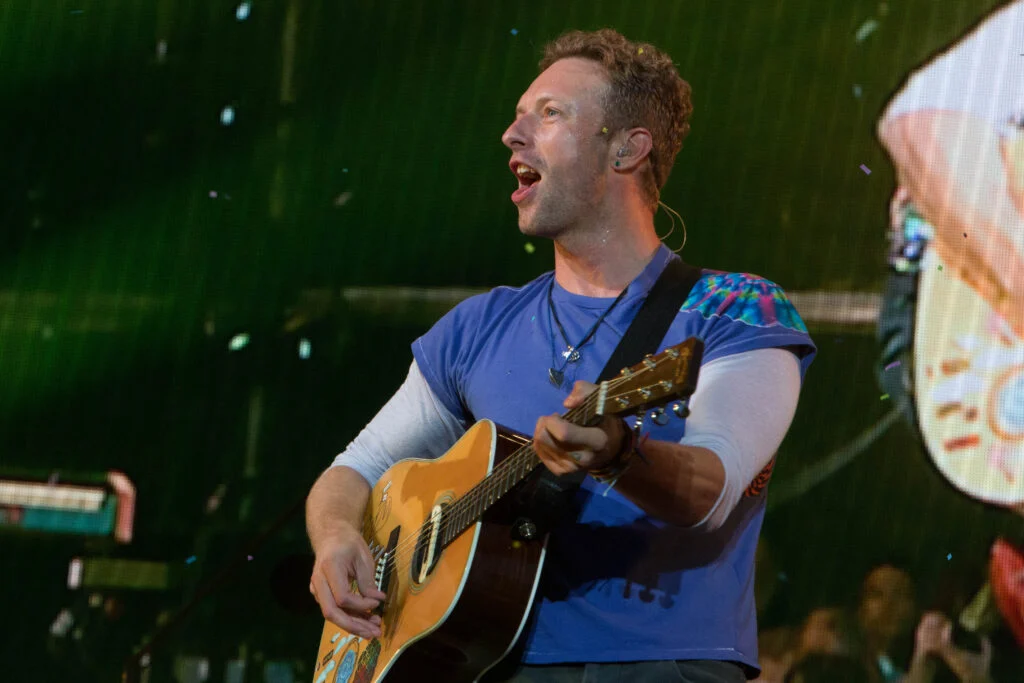
After the Coldplay row in 2009, photographers even drafted a model contract that protected the band against unauthorised merchandise use while letting the photographer keep copyright and editorial freedom.
Fair terms exist. You are allowed to ask for them.
For artists, promoters and venues
If you book photographers, this matters to you too, and the fair approach is also the smarter one.
A photographer who keeps their rights and can syndicate their work has every reason to get your show seen as widely as possible. Tie their hands and you often get less coverage, not more, and you push outlets towards grainy phone photos you cannot control instead of strong professional images you can.
The biggest tours can afford to lock everything down and release their own official book afterwards.
For most artists, venues and promoters, that is the wrong model. You want the reach.
The fair version is straightforward. Agree usage clearly and in writing up front, so everyone knows where the images can run.
Protect against the genuine risks, like unauthorised merchandise, without claiming outright ownership of someone else’s work.
Give credit. It costs nothing and it builds goodwill with the people documenting your moment.
That is how we work at Blanc Creative.
We agree usage up front, in plain terms, with no nasty surprises later, and as a Splash News by Shutterstock contributing partner we are set up to get your show in front of national and international press quickly.
Fair to the photographer, and far better reach for you.

Quick answers
Do I own the photos I take at a concert? By default in the UK, yes. As the photographer you are the first owner of copyright the moment you take the shot, unless you have signed a contract that says otherwise or you took them as an employee.
Can a band use my concert photos without paying me? Not unless you agreed to it in writing.
Copyright can only be transferred or licensed in writing, so without a signed contract the band has no automatic right to your images.
How long does photo copyright last in the UK? Your lifetime plus seventy years.
Can I sell or license concert photos I took? Yes, if you still own the copyright.
If you signed a contract assigning your rights, restricting usage or reverting them after a period, your ability to sell may be limited or gone.
Is a “three songs, no flash” rule a rights grab? No. That is normal shooting etiquette. A rights grab is a contract that takes ownership or control of your images, which is a separate issue.
The bottom line
The law starts on your side. You own what you shoot.
The only thing that changes that is a signature, so the whole game is knowing what you are signing and being willing to say no.
For photographers, that means reading every contract and holding a line.
For the artists and venues hiring them, it means that fair terms are not just decent, they get your work seen by more people.
You can find all you need to know about Copyright on the UK Gov website HERE
Planning a show, tour date or festival, and want a crew that shoots on fair, clearly agreed terms and has the press reach to get it seen?
See the work on our More Than Just Music page, or call Lee direct on 07871 364041.
Important: please read
This article is provided for general information only. It is not legal advice and must not be relied upon as legal advice.
I am a professional photographer, not a solicitor or barrister, and I am not qualified to advise on the law. Nothing in this article creates a professional or advisory relationship of any kind between me, Lee Blanchflower trading as Blanc Creative, and any reader.
The content reflects my own general understanding as at August 2026 and relates to the law in England and Wales. The position in Scotland and Northern Ireland differs in a number of respects. Legislation, guidance and case law change frequently, and provisions referred to here may be amended, repealed or brought into force on different dates after publication. Summaries are necessarily simplified and omit exceptions, defences and qualifications that could be important in your circumstances.
You should not take, or refrain from taking, any action on the basis of this article. If you have a specific question or a live problem, take advice from a qualified solicitor and check the current legislation directly at legislation.gov.uk, together with the relevant guidance from the Civil Aviation Authority, the Information Commissioner’s Office and the Crown Prosecution Service.
To the fullest extent permitted by law, I and Lee Blanchflower, accept no liability for any loss, damage, cost or expense arising from any use of, or reliance on, the information in this article, or from any errors or omissions in it. Any links to external sites are provided for convenience only and I take no responsibility for their content or accuracy.
Why not read some of our other content including