The best of both worlds. Formal headshots and natural portraits on the same shoot.
A case study with Alliance Medical
Most companies book a photographer for formal headshots because someone in marketing has noticed the website team page looks messy.
That is a fair reason. It is also the reason so many portrait sessions end up costing money rather than earning it, because the brief stops at “everyone needs a new photo” and nobody asks what those photos are actually going to be doing for the next two or three years.
Alliance Medical came at it from a better angle.
They already had formal headshots and they knew what formal portraits are good for.
What they wanted was a way of showing their people that felt like the organisation they actually are, rather than a grid of faces on a grey background. They wanted staff to look like specialists at work, not like passport photos with better lighting.
So we shot both. Formal headshots for the jobs formal headshots do well, and natural environmental portraits for everything else. That decision is the whole point of this piece, because it is where the return on investment lives.
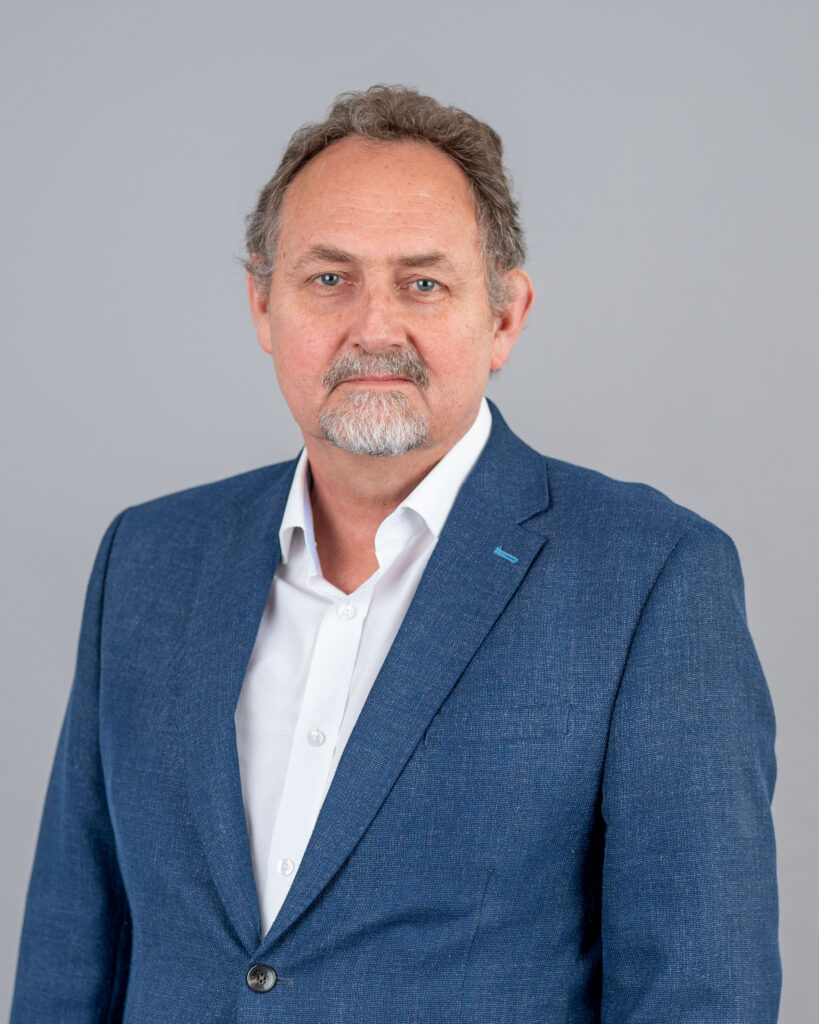
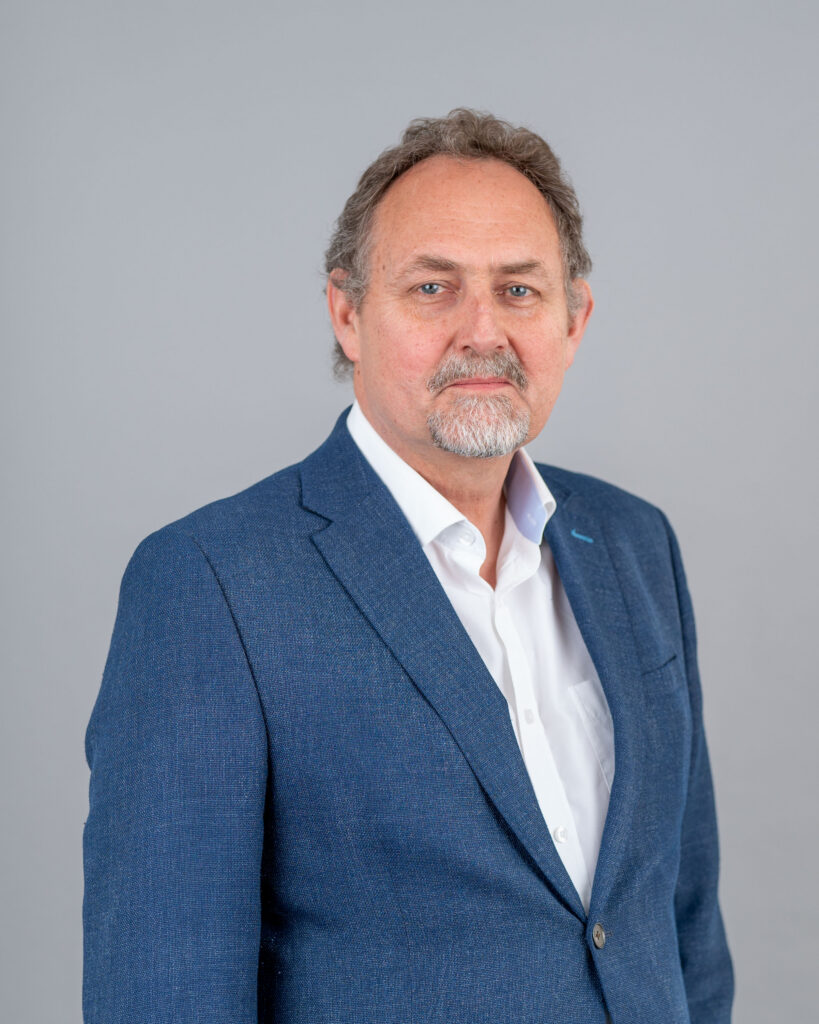
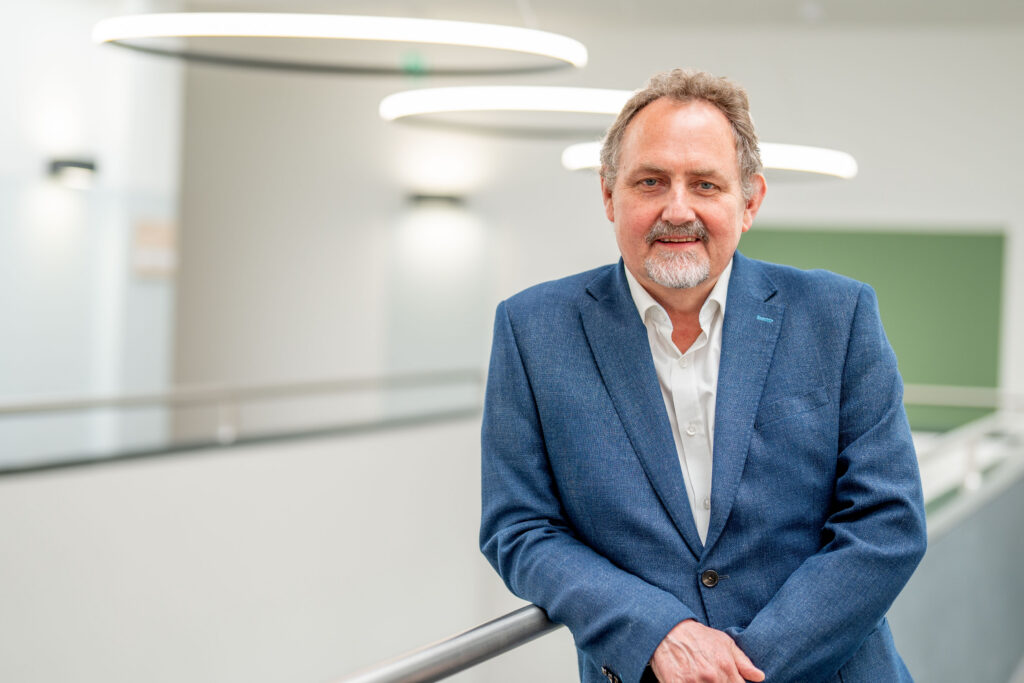
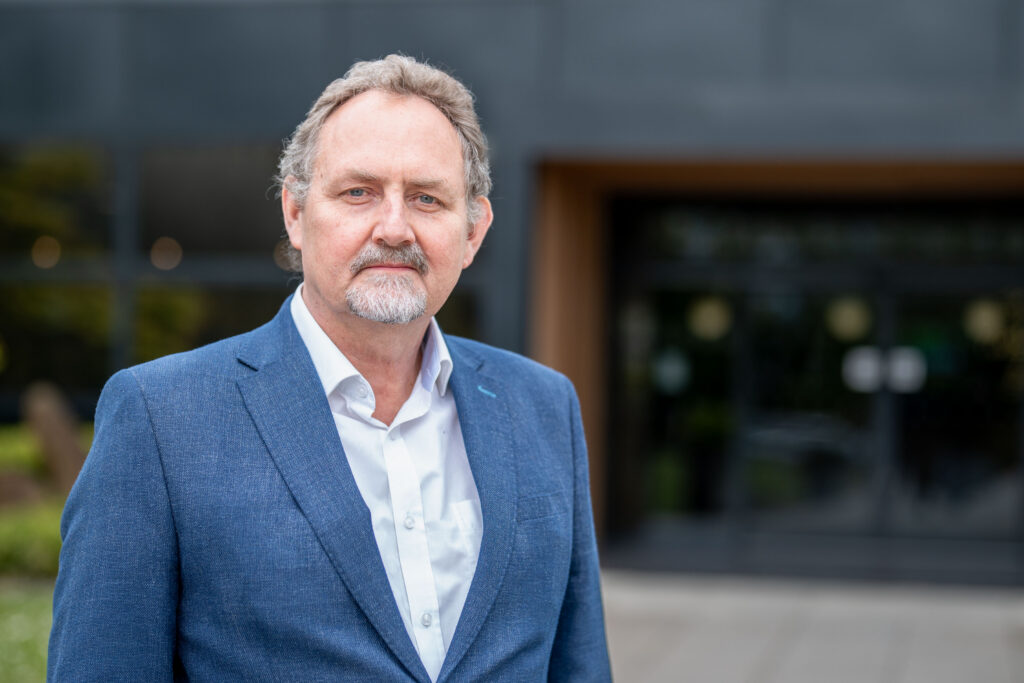
Formal headshots and environmental portraits are not competing, they are different tools
I get asked to choose between the two fairly often, usually because a budget holder assumes one of them must be the modern option and the other must be the old fashioned one.
That is not how it works. They solve different problems.
What the formal headshots are primarily used for
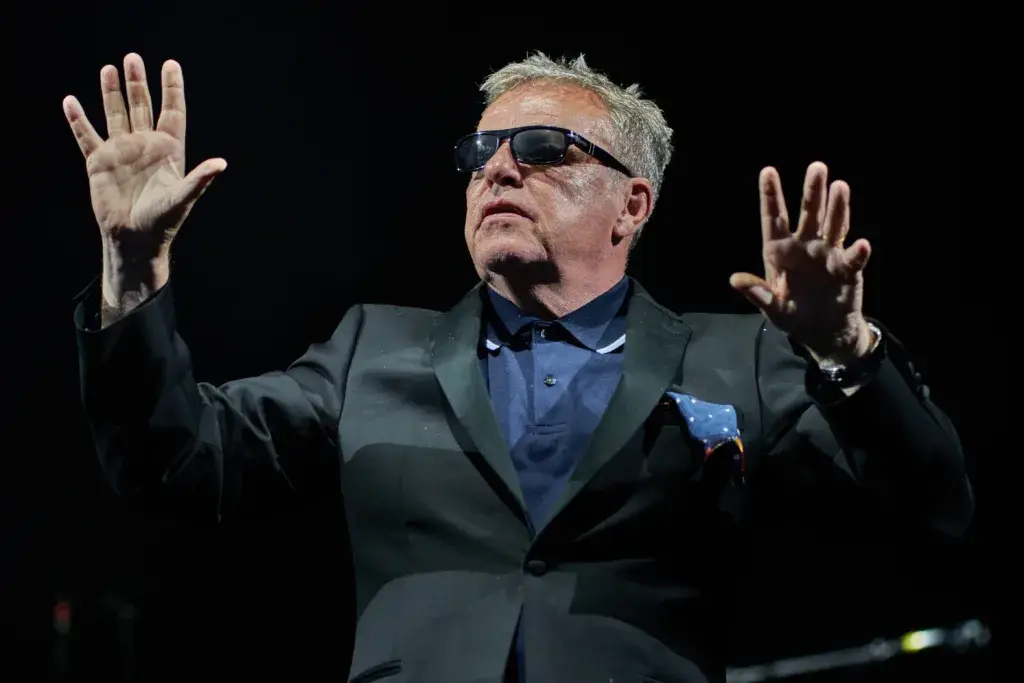
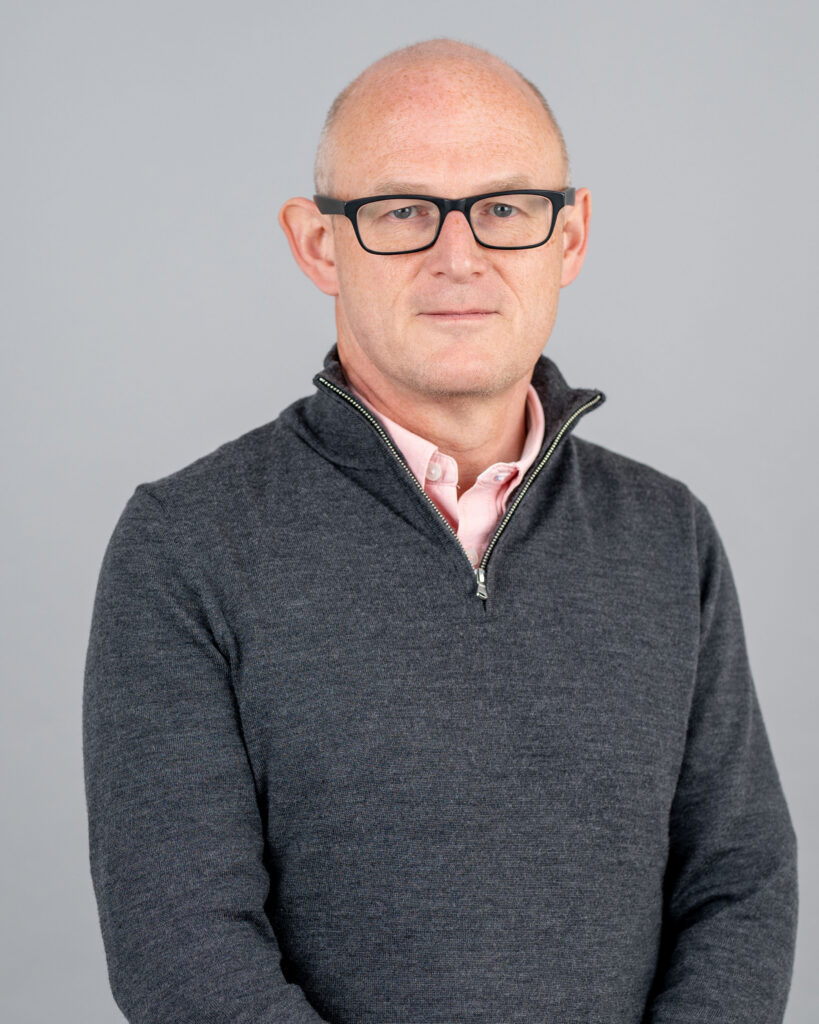
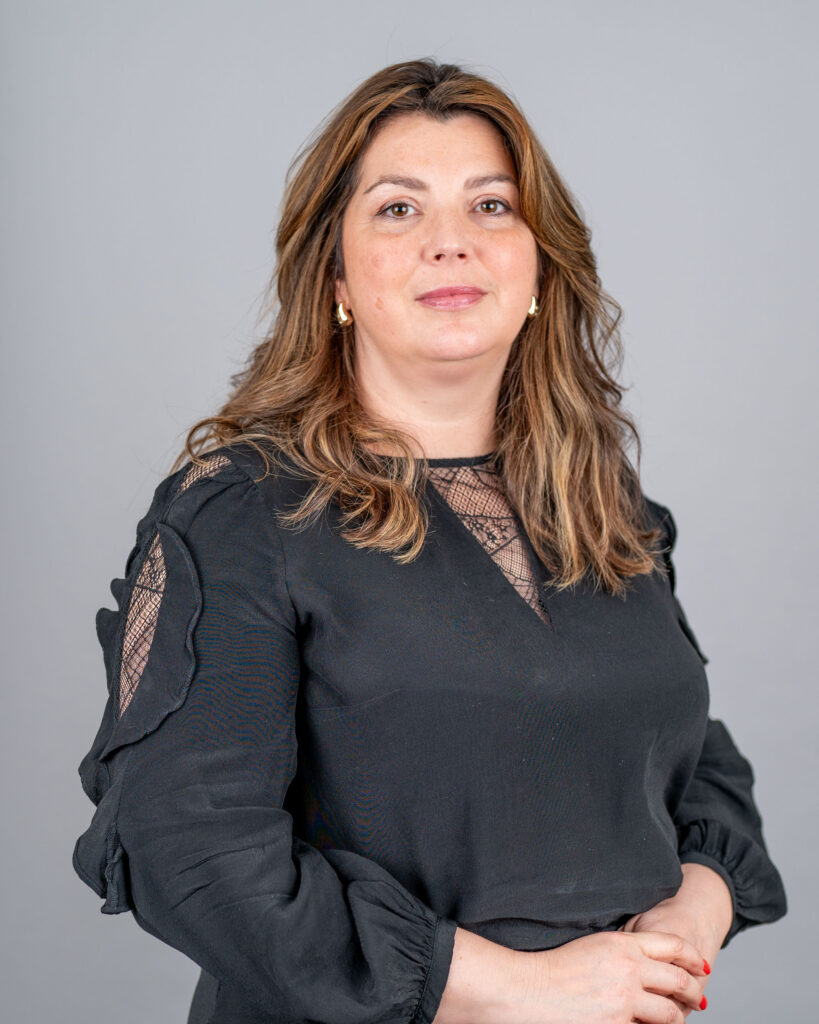
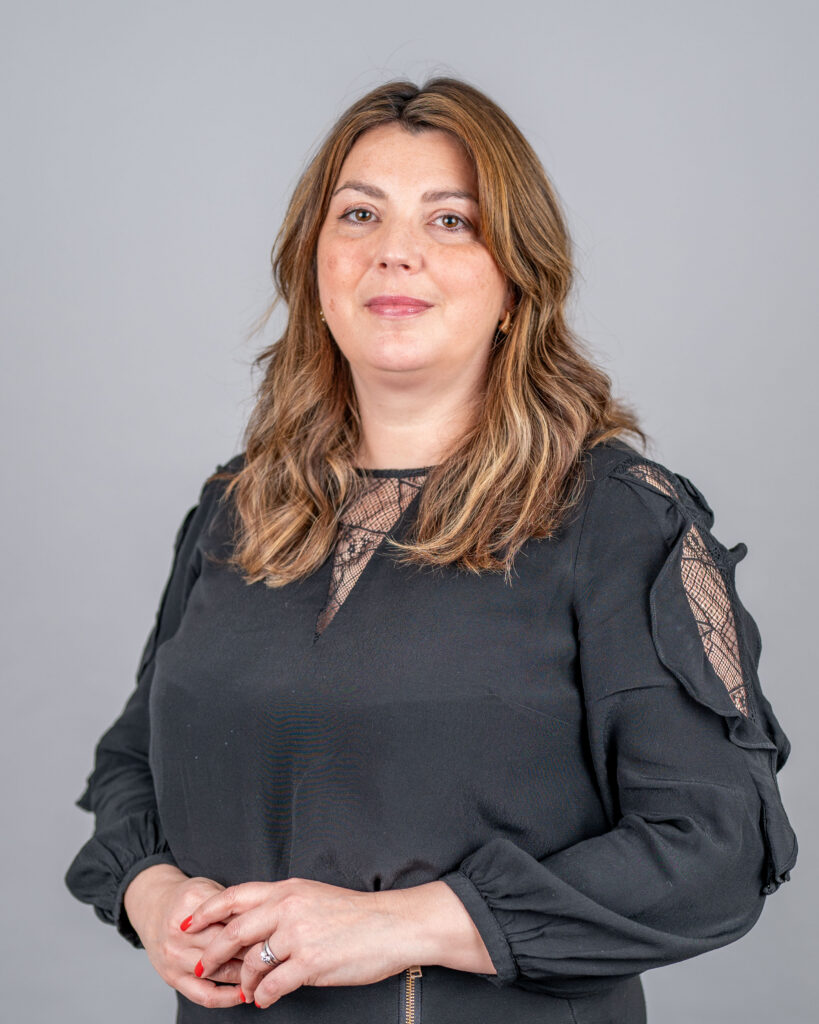
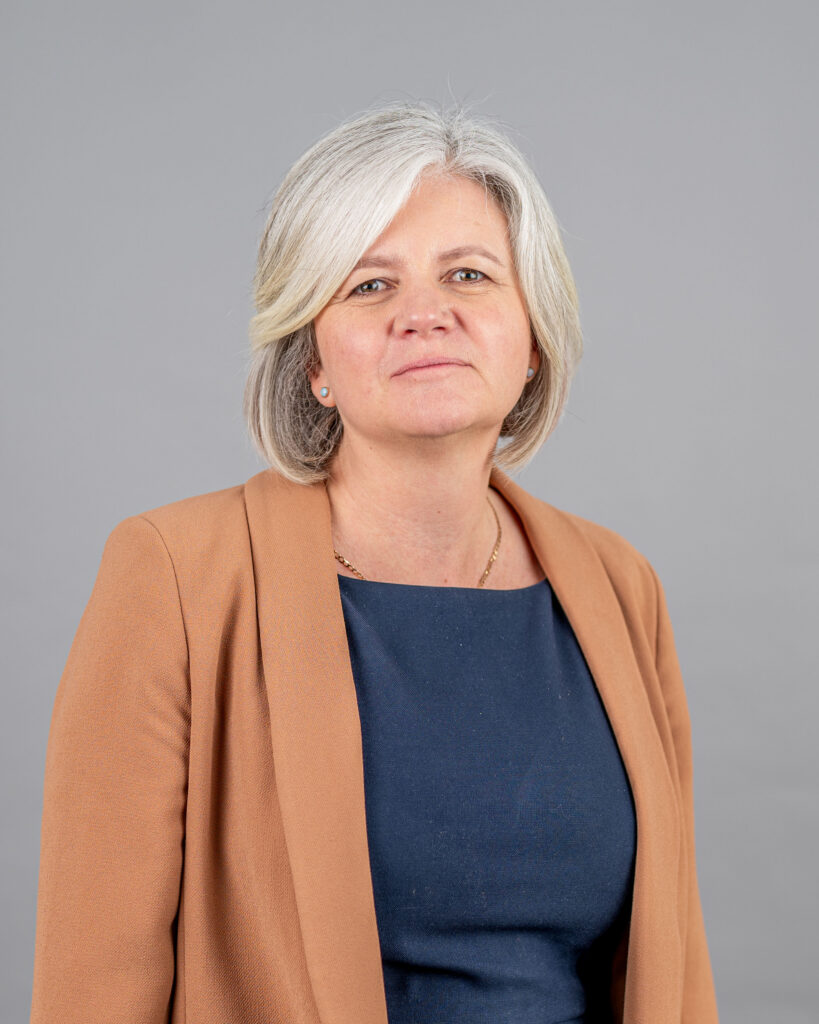
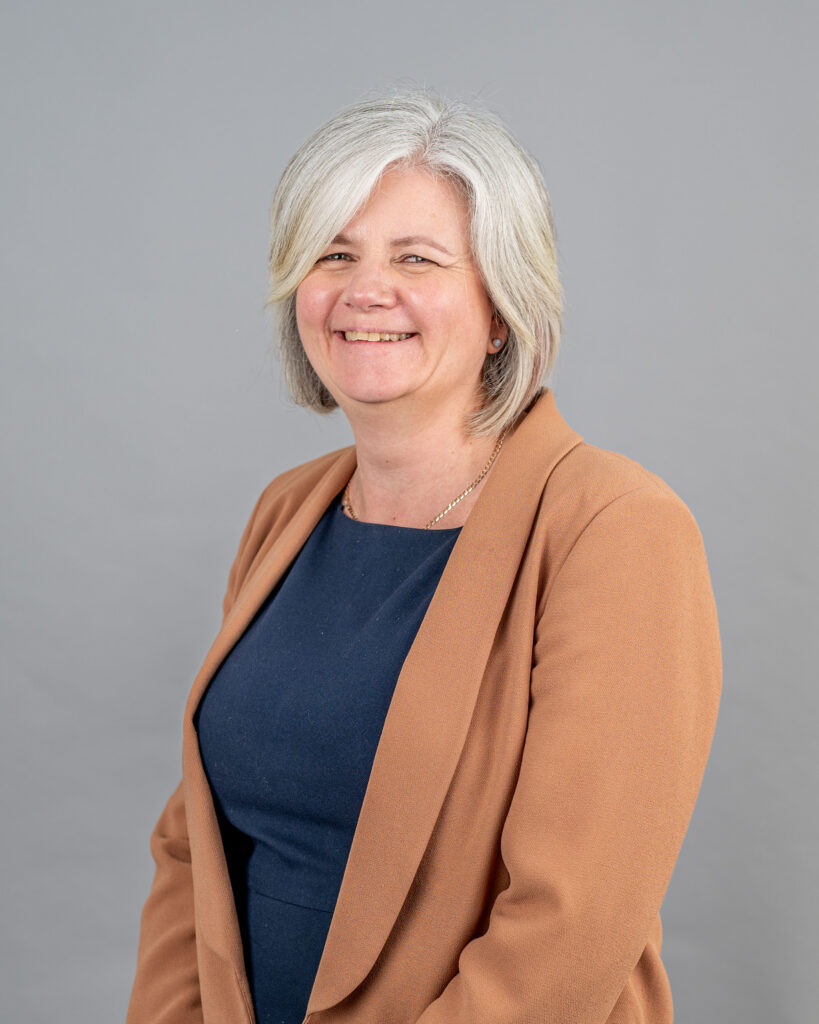
A formal headshot is a controlled, consistent, neutral image of a person. Clean background, even lighting, tight crop, nothing in the frame competing for attention. Its strength is uniformity. When you need forty people to sit together on a page and look like one organisation, the formal headshot is the only sensible option.
It earns its place in:
- Team and leadership pages on the website
- LinkedIn profiles and internal directories
- ID badges, access passes and internal systems
- Tender and bid documents, where a panel is comparing suppliers side by side
- Conference and speaker listings, where the organiser will crop your image into their template whether you like it or not
- Regulatory and accreditation submissions
The formal headshots are the workhorse. Nobody ever calls it inspiring, and it does not need to be.
It needs to be current, consistent and correctly exposed, and it needs to still look right when someone drops it into a circular crop at 200 pixels wide.
What natural portraits are for and where they work best.
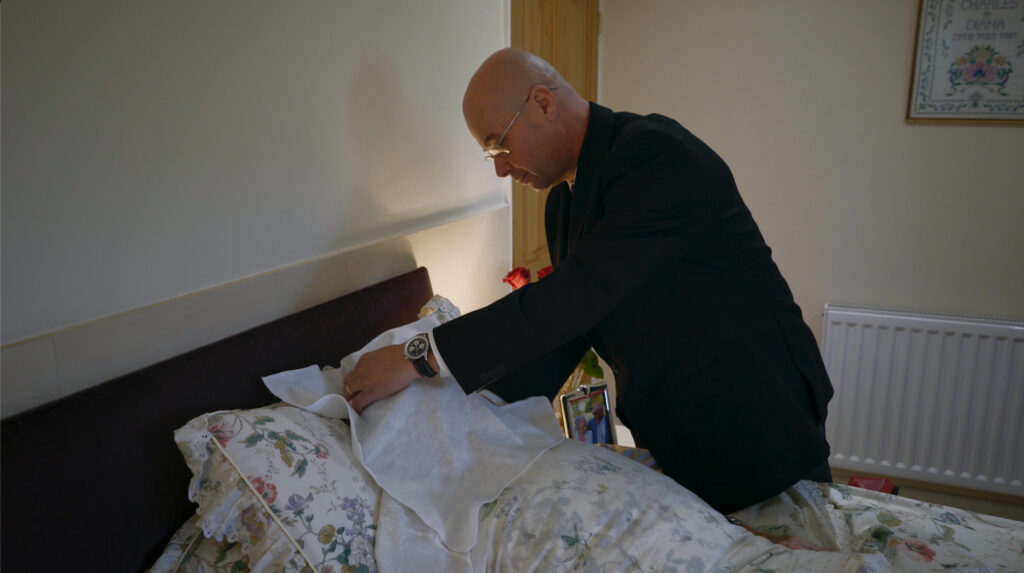
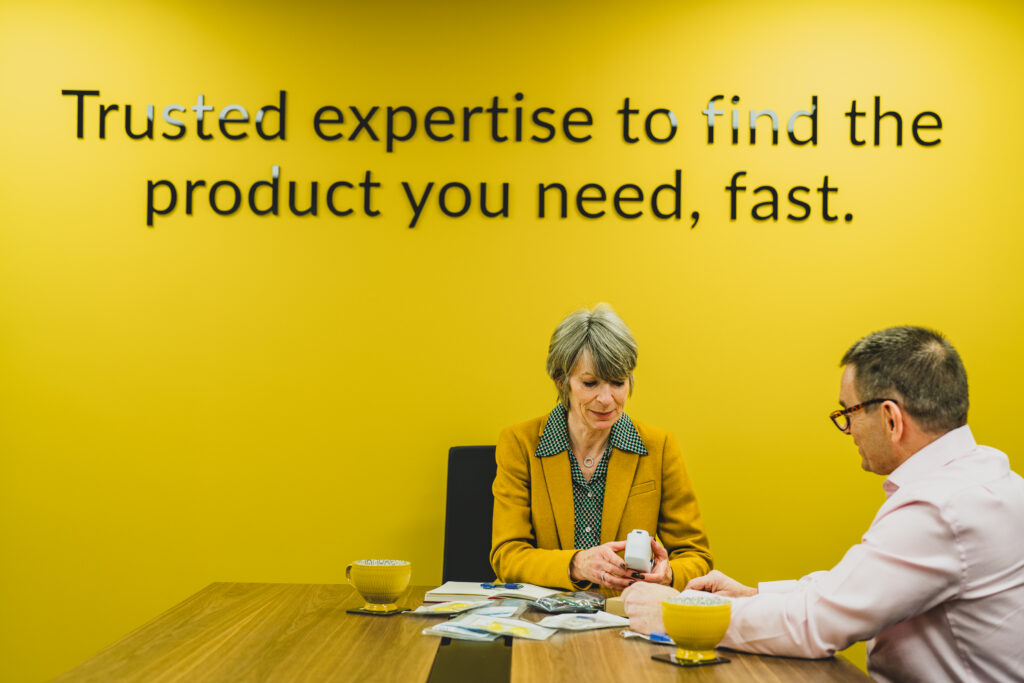
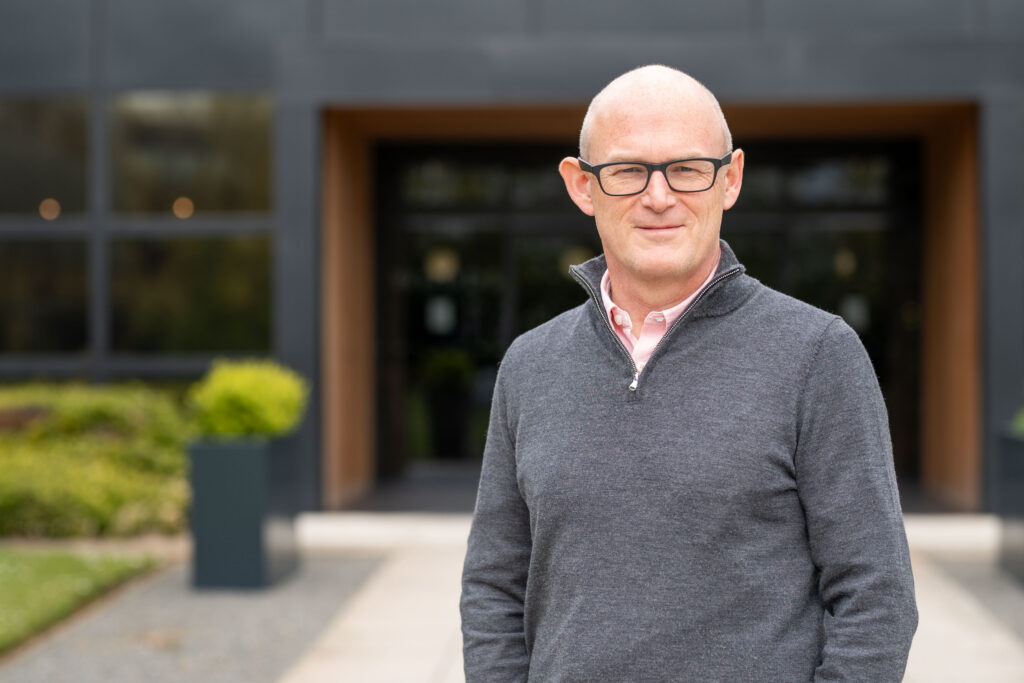
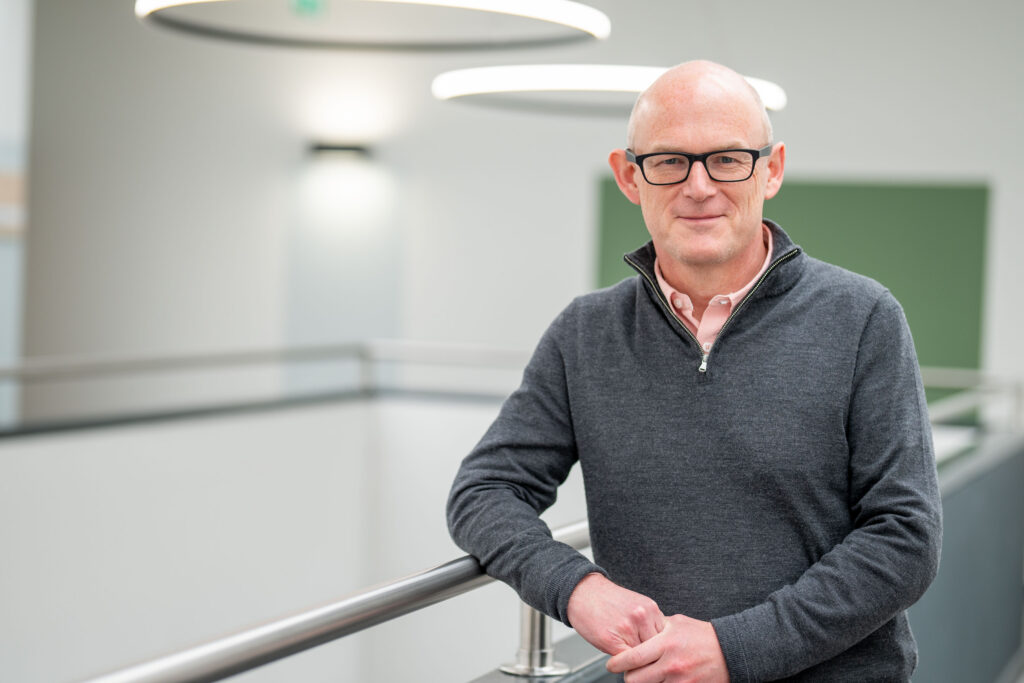
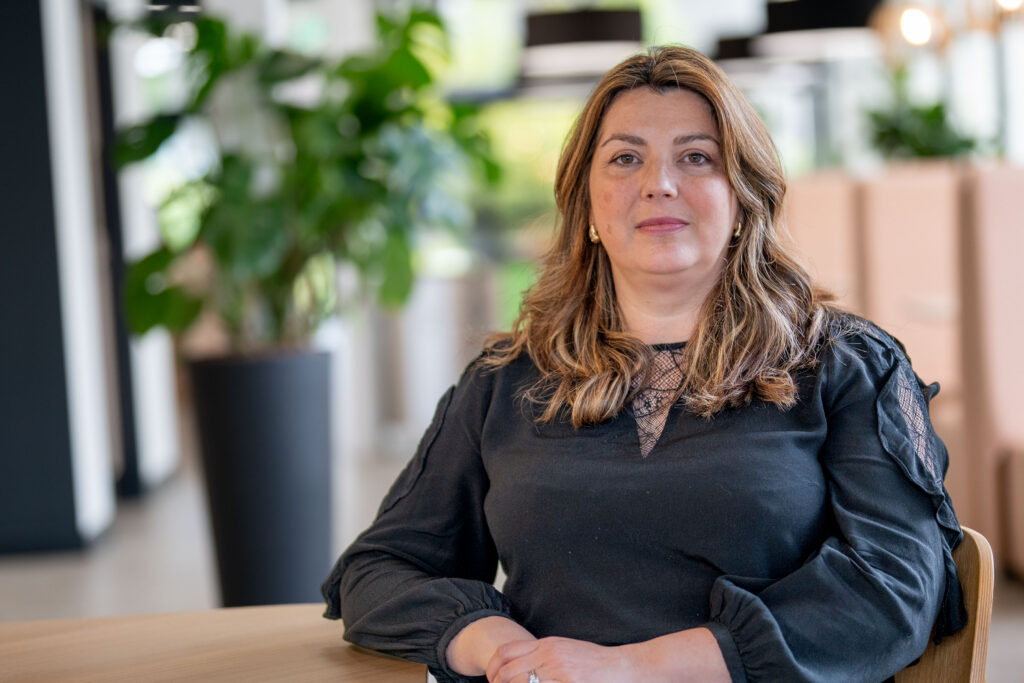
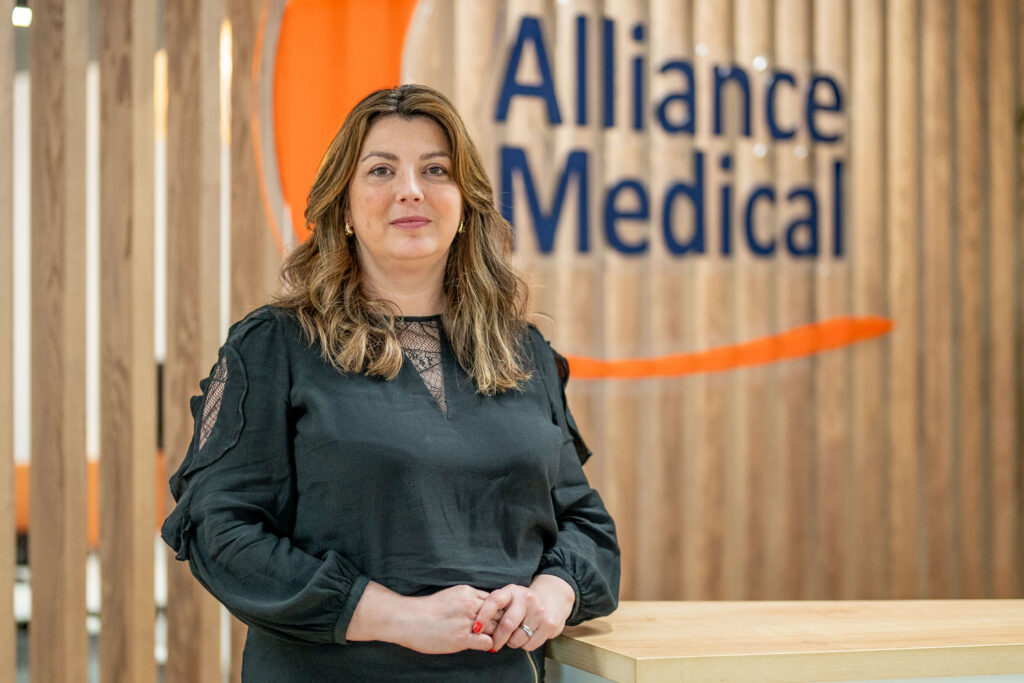
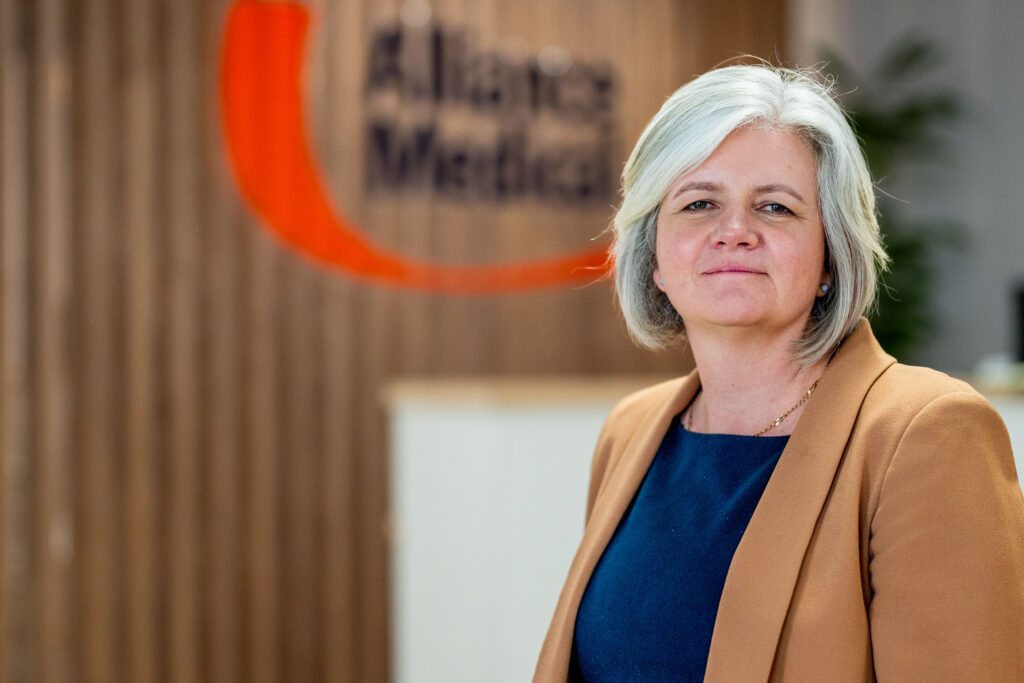
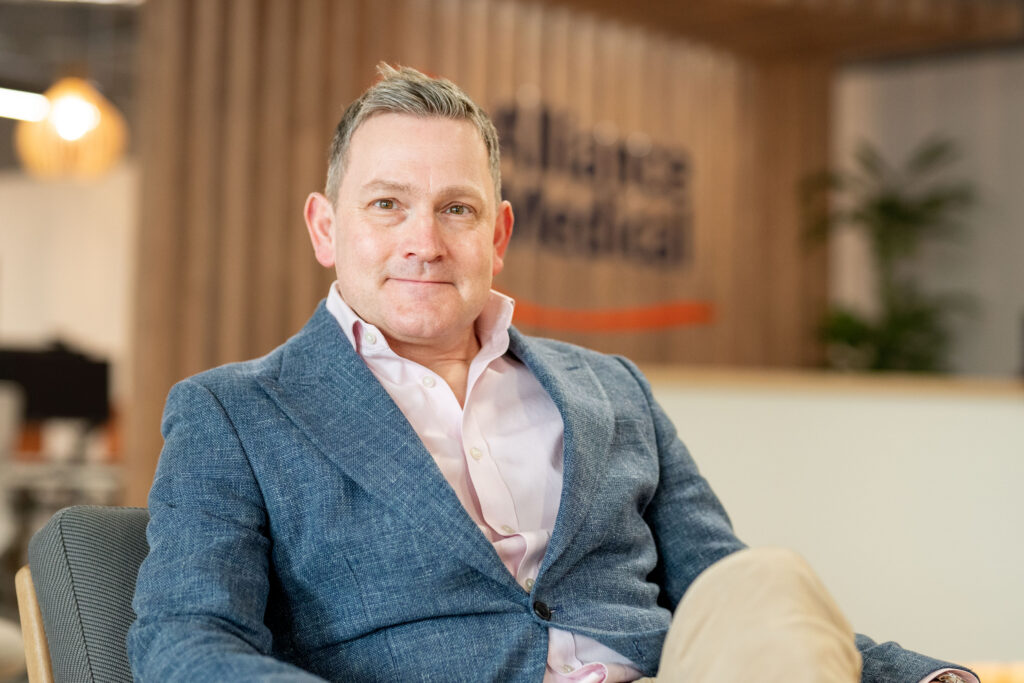
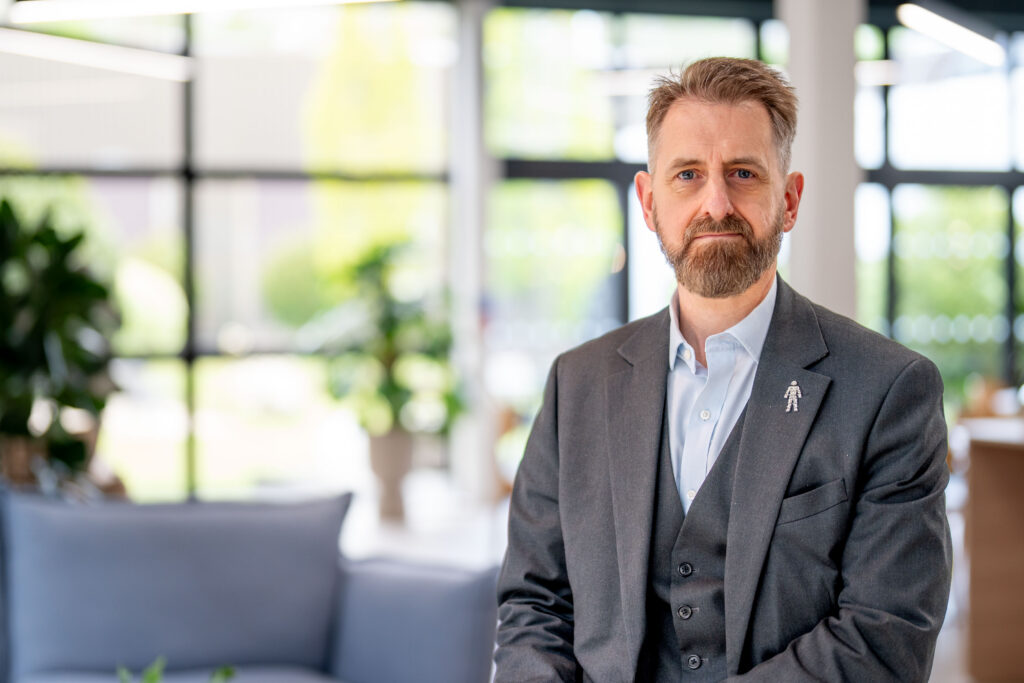
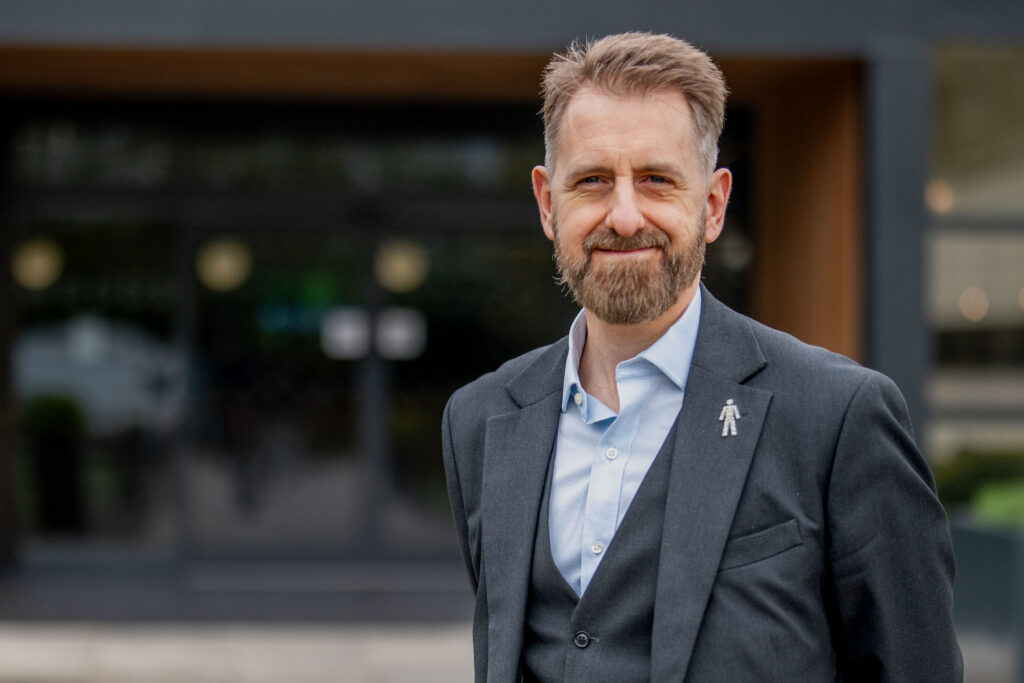
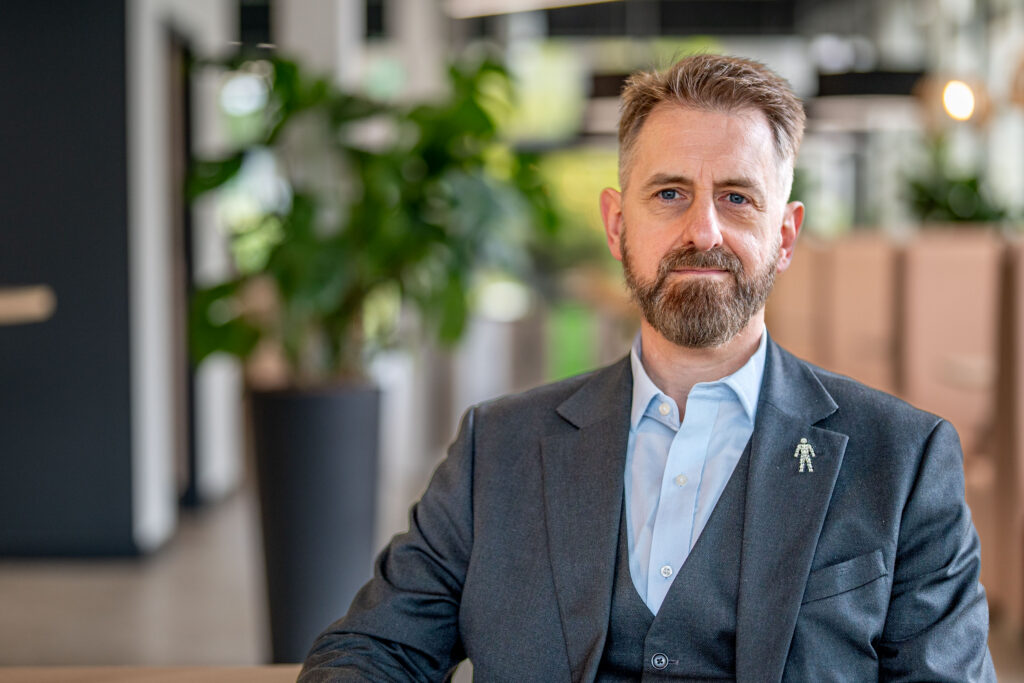
An environmental portrait puts the person in their working world. For Alliance Medical that means clinical environments, imaging equipment, corridors, reception areas, the places where the work happens. The subject is still the person. The environment is context, and context is what turns natural portraits into stories.
This is the image that gets used when someone needs to communicate rather than identify. It works in:
- Press releases and media packs
- Trade and regional press features
- Annual reports and impact reports
- Recruitment campaigns and careers pages
- Case studies and service brochures
- Social content, where a portrait with depth stops the scroll and a plain headshot does not
- Website hero and section imagery
- Award submissions
There is a commercial argument here that is easy to miss. A formal headshot has one use. An environmental portrait has many, and it also replaces stock photography. Every time a marketing team licences a stock image of a generic clinician looking at a scan, they are paying to look like everyone else. A library of real portraits of real staff kills that spend and improves the output at the same time.
Why I shoot both sides of the face, every time
This is the part of the brief that separates a photographer who understands editorial use from one who does not, and it is the single most common reason a good portrait fails at the point of publication.
Most people have a preferred side. It is usually the side their hair parts towards, or the side that is a little more symmetrical, and once you have photographed a few hundred people you spot it in the first thirty seconds. Left to their own devices, a lot of photographers will find that side, shoot it, and deliver a set of images all facing the same direction.
Then the image goes to a publication.
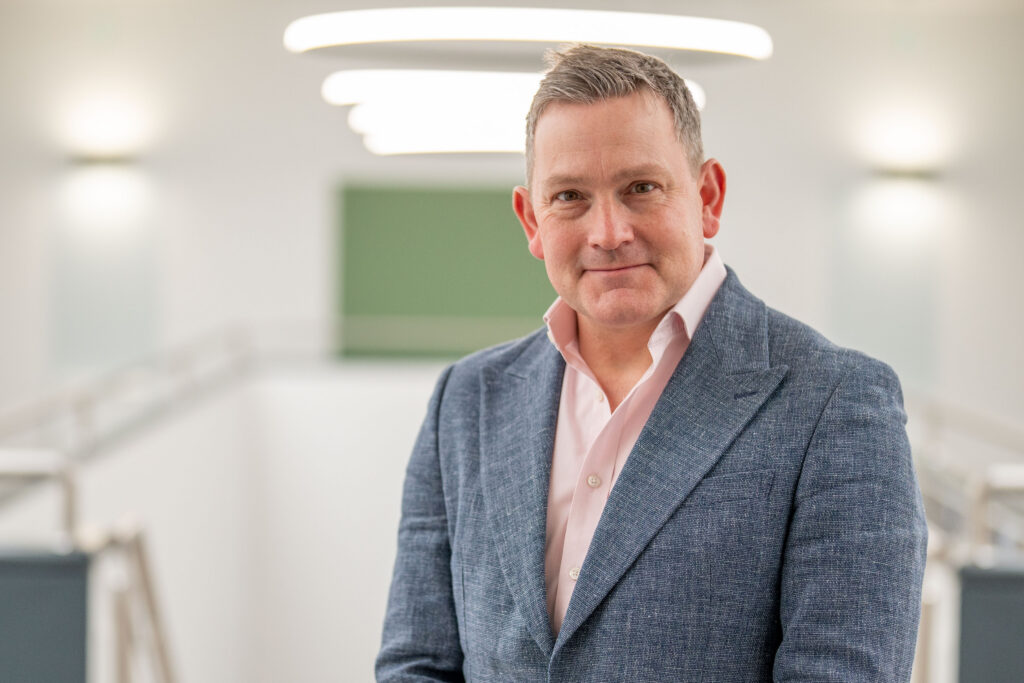
Open any brochure, magazine or trade title and look at how portraits are laid out. Editors want the subject looking into the page, into the copy, into the spread, never off the edge of it. It is a basic rule of layout and it has been for as long as print has existed. If your portrait faces the wrong way for their layout, one of two things happens. Either they crop it badly, or they flip it.
Flipping is the killer. When an image is mirrored, everything that was correct becomes wrong. Text on a lanyard reads backwards. Embroidered logos on scrubs and polo shirts reverse. Name badges become nonsense. Wedding rings move hands. Hair partings switch sides and the person suddenly does not look like themselves, in a way people notice without being able to say why. In a clinical or industrial setting it is worse again, because equipment branding, signage and safety markings all reverse with it. I have seen a perfectly good portrait ruined in a supplement because the picture desk had no other option.
You avoid all of it by shooting both sides. Same subject, same session, same lighting logic applied in reverse, so the client walks away with a portrait that faces left and a portrait that faces right. When the PR team pitches to a title, or when the design team lays out an annual report spread, the correct image already exists and nobody has to flip anything.
It costs a few extra minutes per person on the day. It saves the client from a bad piece of coverage two years later. That is return on investment in its plainest form.
Why natural portraits get better results from the people in front of the lens
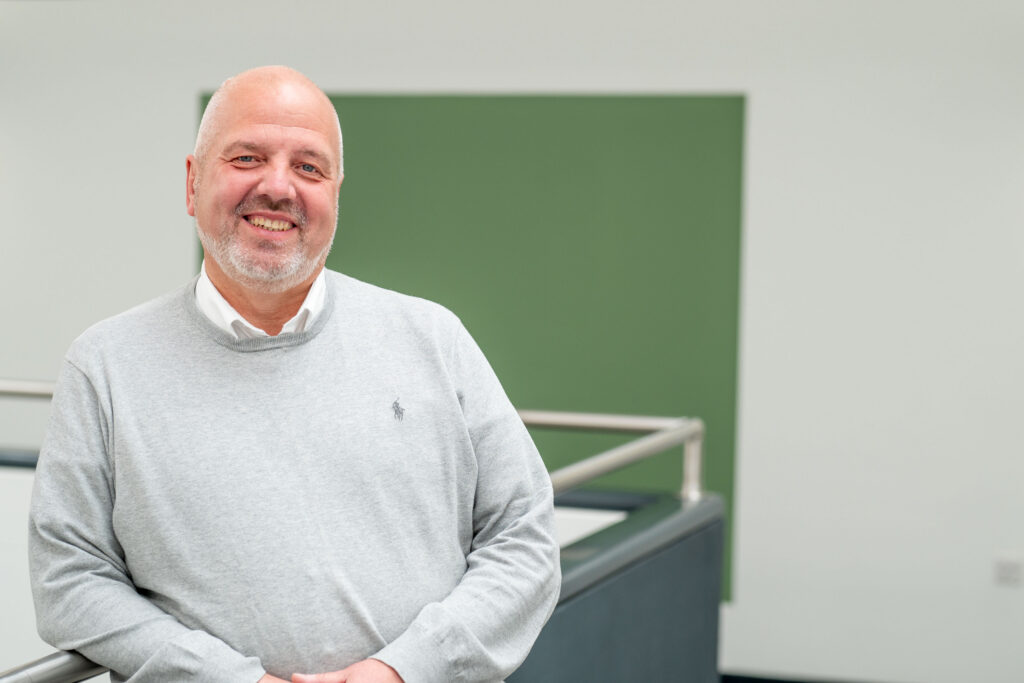
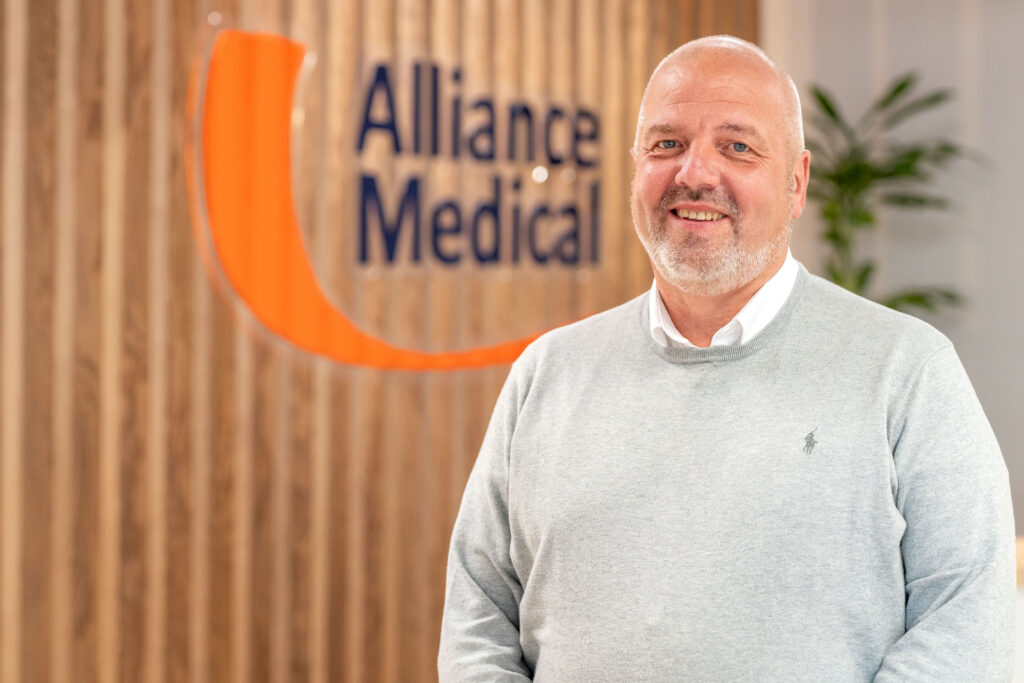
There is a practical reason environmental work suits large staff shoots, and it has nothing to do with aesthetics.
Almost nobody enjoys having their photograph taken. Put someone against a plain background with a light in their face and nothing to do with their hands, and every bit of self consciousness they have arrives at once. You get tension around the eyes, a held smile and shoulders somewhere near the ears. You can work someone out of that, but it takes time, and time multiplied by a full staff list gets expensive.
Put the same person back in their own environment, next to the kit they use every day, and something different happens. They have something to do. They have something to lean on, hold, stand beside or look at. The conversation stops being about the camera and starts being about their job, which is a subject they are comfortable and often genuinely enthusiastic about. That is where the expression you actually want turns up.
The other advantage is light. On location I am reading the light that is already there and using it to shape the face, working with the direction it falls and the shadow it creates, rather than trying to drag a studio look into a corridor. Shaping with available light is what makes an environmental portrait feel like a real moment rather than a set up. It is also what makes it possible to move a whole team through a session in a working building without turning the place into a film set.
That matters enormously in a live clinical or operational environment, where you cannot ask a department to stop for the afternoon.
Where the return actually comes from
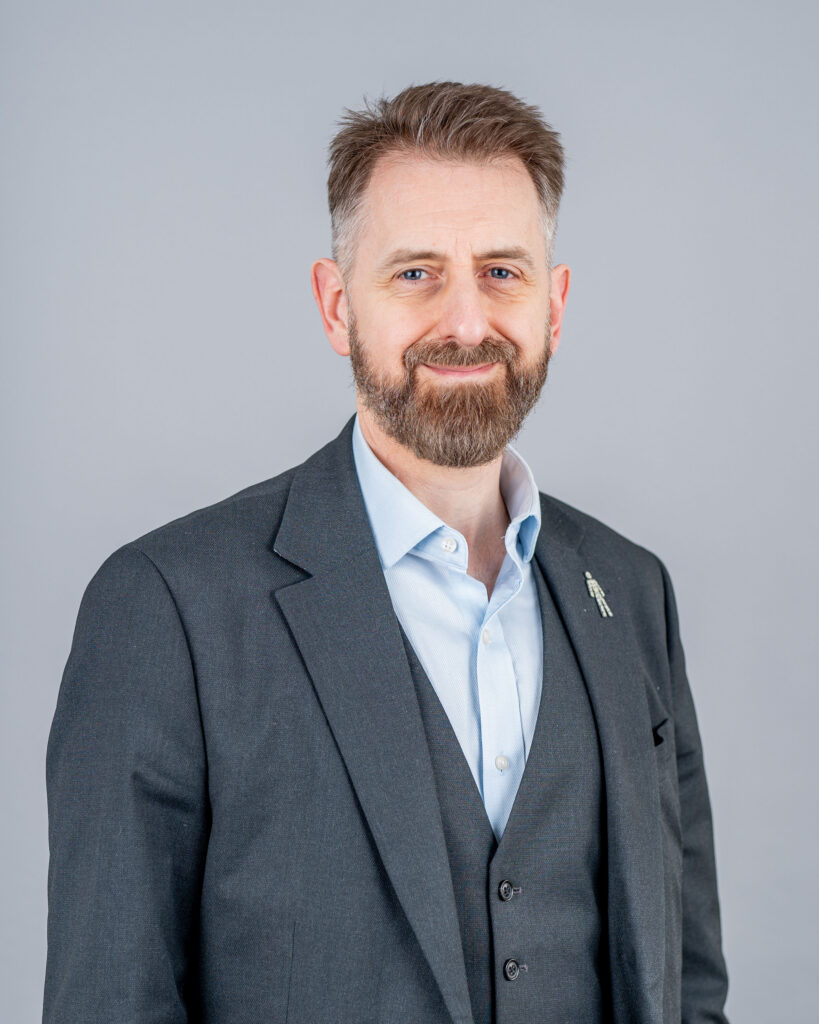
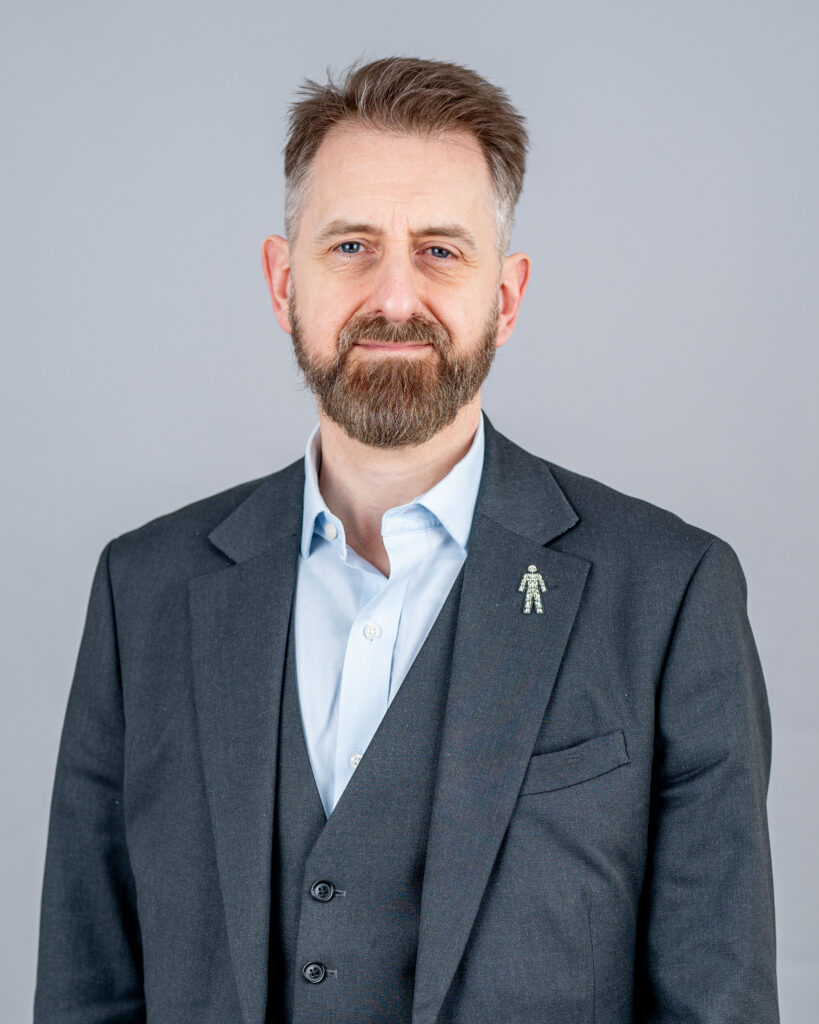
If you are the person signing off the invoice, this is the section that matters.
One session, many assets. A properly planned portrait day gives you a formal headshot, a left facing environmental portrait, a right facing environmental portrait, and usually a set of wider working images picked up along the way. That is four or five usable assets per person from one booking, spread across recruitment, PR, web, print and social.
Shelf life. A well made portrait set lasts until the person changes role or leaves. Budget across three years rather than one and the cost per use collapses.
Reduced stock spend. Every real image you own is a stock licence you never buy again, and it is more credible than anything you could licence.
Fewer reshoots. Most reshoots happen because the original set did not anticipate a use case. Shooting both orientations, and shooting formal alongside natural, removes the most common reasons a client has to come back and pay twice.
Consistency across a large team. When one photographer shoots the whole organisation to one specification, the assets work together. Natural portraits and formal headshots look the same aestheticlly. When they are gathered piecemeal over years by different people, they never do.
What that looked like on the Alliance Medical job. We travelled to Warwickshire, set up on site and photographed fourteen staff in around five hours. Every person was taken through three or four separate locations across the building, with the plain background treated as its own proper setup rather than a fallback at the end of the day, so each individual came away with a formal headshot and a set of natural environmental portraits from genuinely different settings. Usage was granted unlimited across every platform, with resale the only exclusion, which means the images can run on the website, in recruitment material, in press, in print and across social for as long as they remain current without anyone having to stop and check what the licence allows. That is the whole point. One day on site, one travel cost, one set up, and a library of assets the marketing and HR teams can keep reaching into for years rather than a folder of photographs that only solves the team page.
Why Blanc Creative for your formal headshots and natural portraits
I photograph people for a living, in working buildings, on live sites and in clinical settings, across the whole of the UK. That means I am used to briefs where the environment does not pause, where access is time limited, where there are protocols to respect and where the person in front of me has ten minutes between appointments.
What I bring to natural portraits, is not a van full of equipment. It is a considered approach to what the images are for. Excess kit slows a session down, intimidates the subject and rarely improves the picture. Reading the room, reading the light and knowing what the marketing and PR teams will need from the files six months from now is what improves the picture.
Pricing is transparent on every assignment. You will know what a session costs, what you receive and what you are licensed to do with it before you commit to anything, and there are no surprises attached to the invoice.
The best way to judge any of this is to look at the work. Have a proper look through the portfolio, particularly the portrait and corporate galleries, and pay attention to the things this article has described. Look at who is facing which way. Look at how the environment is used. Look at whether the people in the frame look like they want to be there.
Talk to me about natural portraits for your team
If you are planning a portrait session this year, whether that is six people or two hundred and sixty, the conversation worth having is not about how many frames you get. It is about where the images are going to end up and how long you need them to work.
Get in touch and tell me what you are trying to achieve. I will tell you honestly what will get you there.
Blanc Creative studio@blanc-creative.com 07871 364041
Frequently asked questions
What is the difference between formal headshot and an environmental portrait? A corporate headshot is a tight, consistent, neutrally lit image used for identification and uniformity across a team. An environmental portrait places the person in their working setting and is used for storytelling, PR, editorial, recruitment and marketing.
Do we need both? Most organisations get better value from both. They serve different purposes and cover different placements, and shooting them together in one session costs far less than commissioning them separately.
Why do you photograph both sides of someone’s face? So that publications and designers always have an image facing the correct direction for their layout. Without it they flip the image, which reverses logos, badges, text and hair partings and makes the subject look wrong.
Can you photograph a large team on site? Yes. On location sessions are designed to move people through quickly with minimal disruption to a working environment.
Where do you work? Across the whole of the UK, from a base in Norwich, including London, Manchester, Birmingham, Leeds, Bristol and everywhere in between.