How Much Does Commercial Photography in Norwich and Norfolk Cost in 2026?
Booking a professional photographer and knowing you’re getting great value and an awesome service.
You are here for an answer, so I will get straight to it. Honestly, and transparently. Commercial photography
Our prices are visible for every genre of work we do, so let us look solely at commercial photography. There is always a starting price, and it moves north from wherever you start.
Commercial photography in Norfolk starts at £275 plus VAT. A full day starts at £850 plus VAT.
We can land anywhere in between depending on the brief.
There are no extras, providing there is no scope creep, and we will come back to that further down the page because it is worth understanding rather than worrying about.
Those are real figures off our rate card. They are not a teaser range designed to get you on the phone so we can work out what you can afford.
The rest of this page explains where that money goes, because you are entitled to know, and because the businesses who understand it tend to get far more out of the shoot than the ones who do not.
One thing worth saying at the top. Commercial photography in Norwich and Norfolk is charged at exactly the same rate we charge anywhere else. That may sound a bit odd. But we price at a rate that reflects our experience and our knowledge, not the postcode the client happens to sit in. If we shoot commercial photography in London, you get exactly the same work at exactly the same figure. The job is not worth more or less to us because of where you are.
Why most photographers will not put a number on their website
Because pricing gets treated as a negotiating position.
How Much Does Commercial Photography in Norwich… You ring round, everybody says it depends, and you end up sitting through three meetings before anyone tells you what the job costs.
We have never worked that way. Every assignment we quote carries a figure before you commit to anything, and if a brief is going to need two days instead of one, or a second operator on site, I say so in the proposal rather than discovering it halfway through the shoot and sending you a bigger invoice afterwards.
Every figure for commercial photography in Norwich, or anywhere else, is set out in black and white on the proposal. Cost in pounds, plus VAT.
The shoot is the smallest part of the job

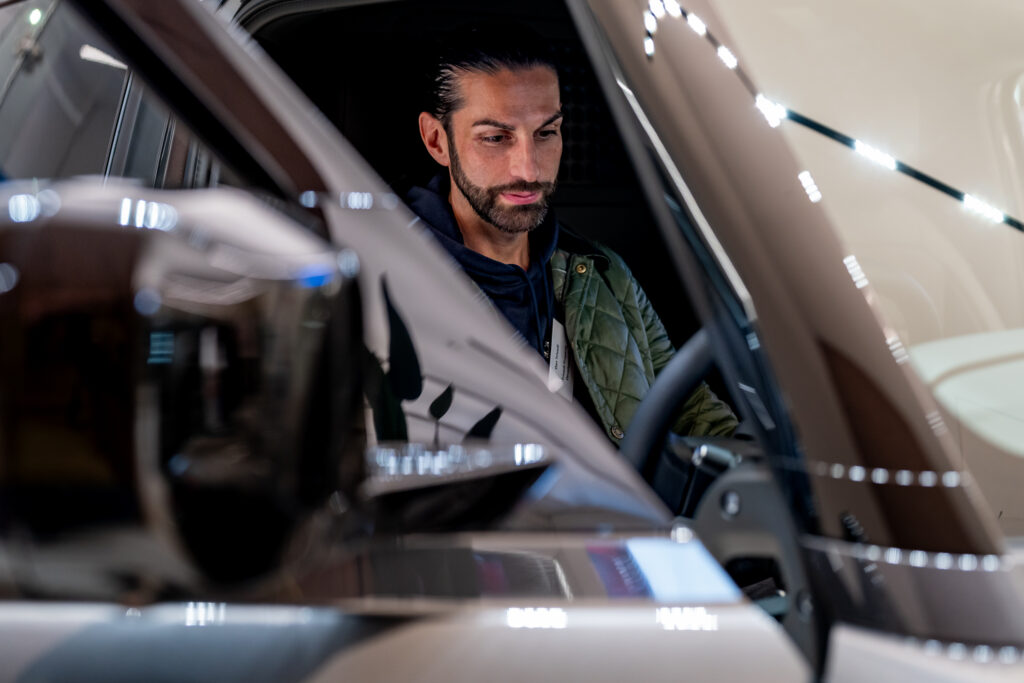

This is the bit that surprises people, and it is the root of most of the confusion about what commercial photography costs in 2026.
When you book a full day Commercial Photography in Norwich, the day on site is what you can see. It is not what you are paying for.
For every hour I spend with a camera in my hands there is usually an hour or more either side of it, and none of that time is optional.
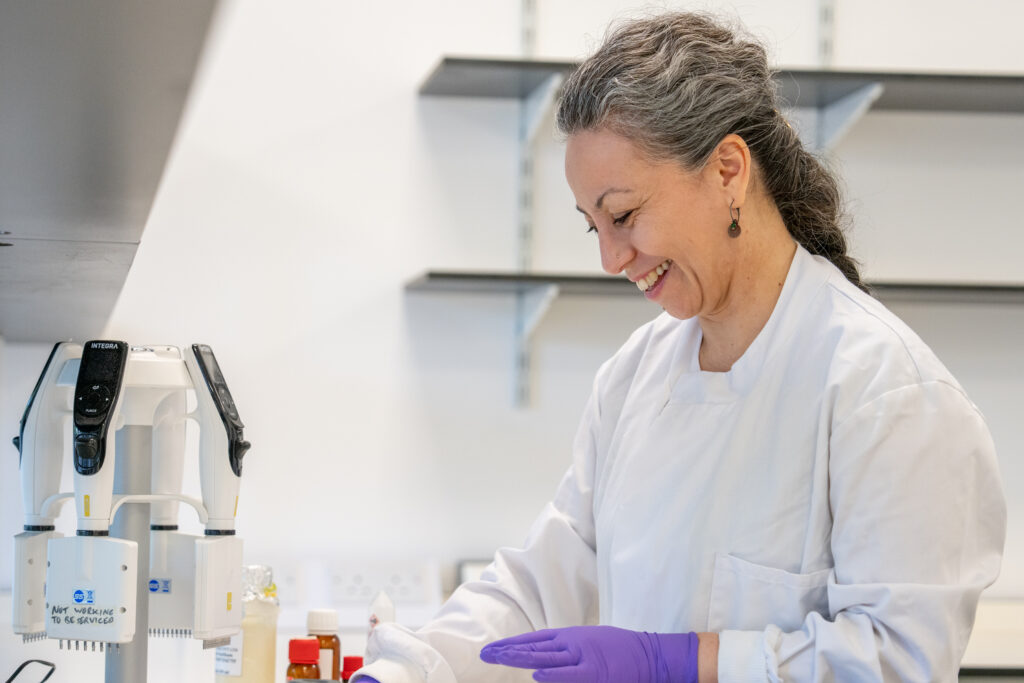
Before the shoot
Working out what the images actually have to do, because photographs for a website behave differently to photographs for a press release or an exhibition stand.
Recceing locations where it matters. Talking to you, pre-shoot meetings, checking what the light does in that building at the time of day we have booked.
Writing risk assessments and method statements for sites that need them.
Sorting access, permits and inductions.
Building a running order so that sixteen people can move through a portrait session without anybody standing around for forty minutes.
All of that takes time, and like you, we are running a business, so it sits inside the fee rather than being given away.
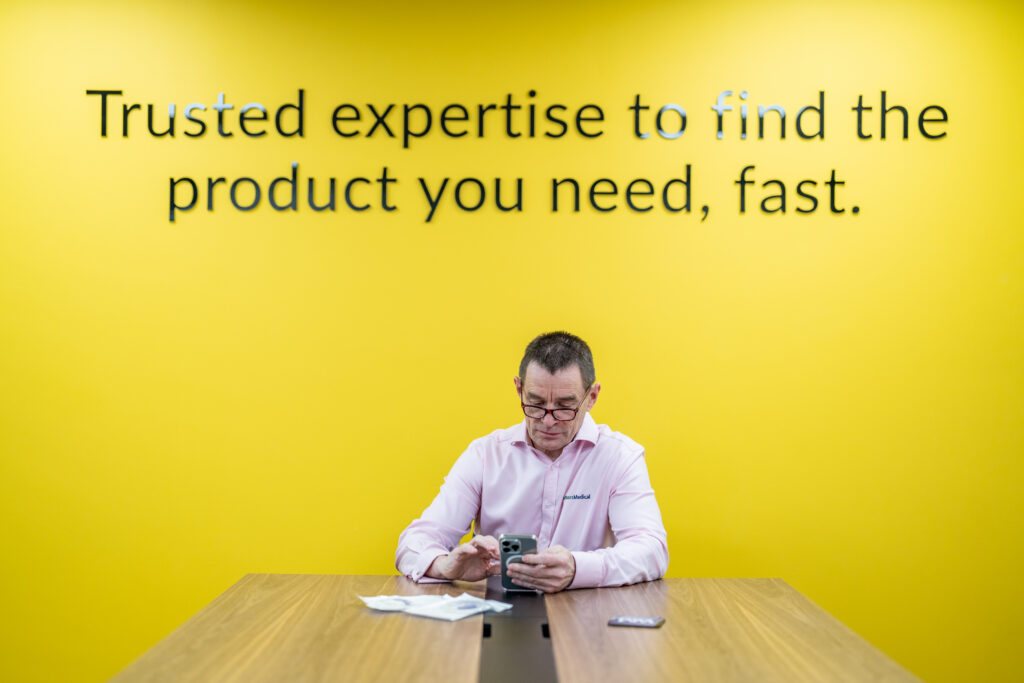
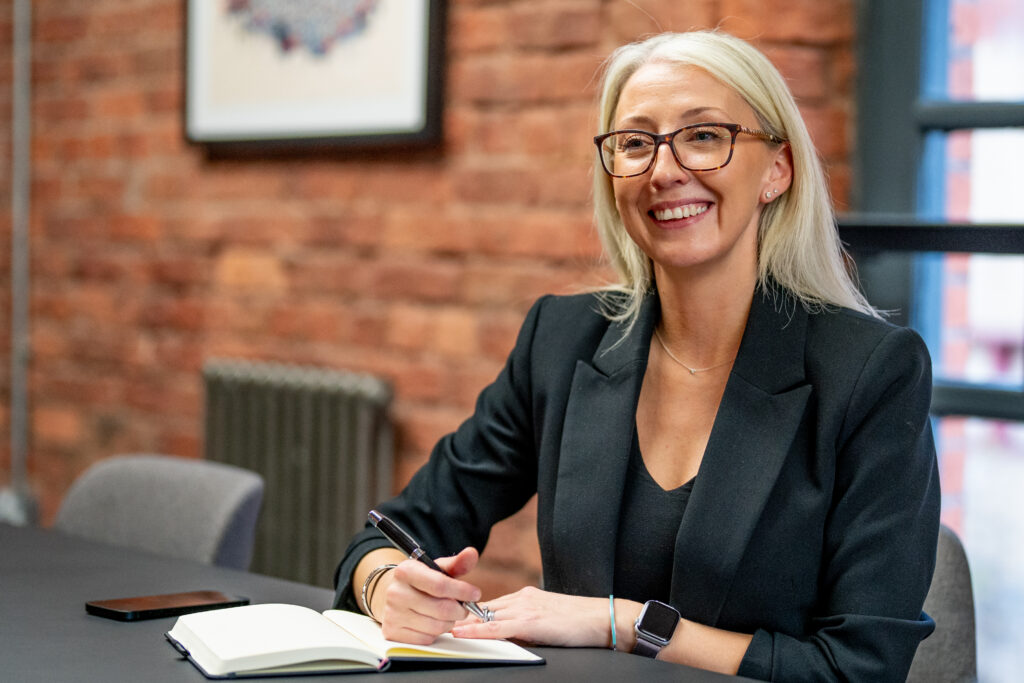
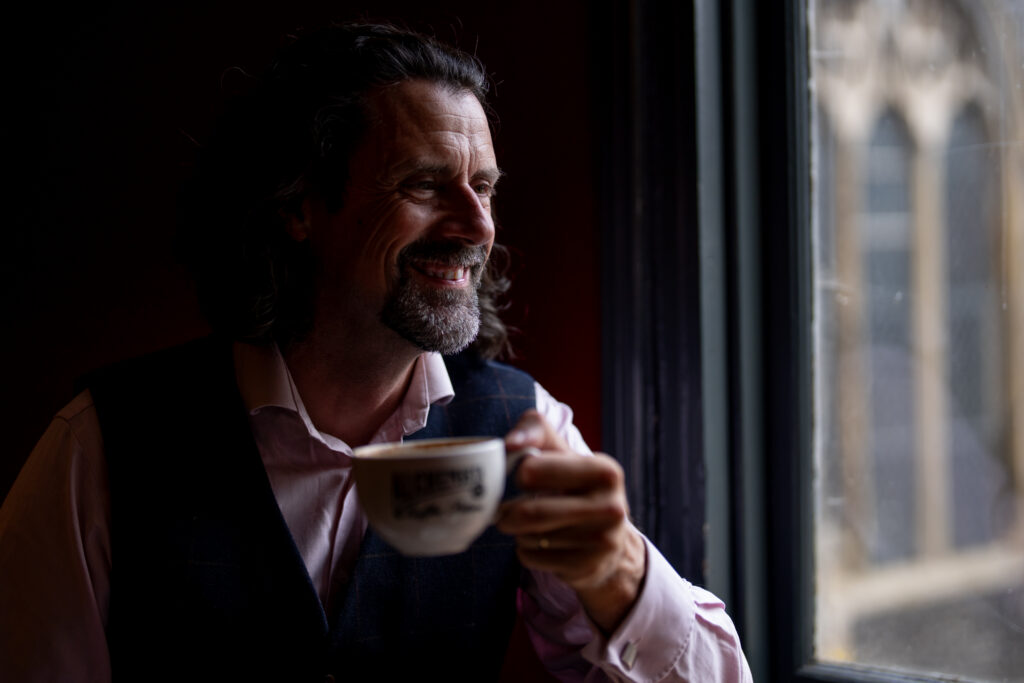
An analogy I come back to
We took a call from a potential client.
“Hi, I need some portraits for my social profiles. About eight photos. It will take about twenty minutes. Can you give me a price?”
So we did exactly that. £275 plus VAT for the assignment.
The reply was, “But it is only twenty minutes work.”
I explained that it was not. It was twenty minutes to get there, fifteen minutes to set up, twenty minutes to shoot, twenty minutes to get back to the office, and half an hour of editing, followed by delivery with unrestricted usage rights attached. Closer to two hours of work than twenty minutes, before a single overhead is counted.
“I really like your work, but I have been quoted eighty pounds.”
I politely declined, and I wished them well.
Nobody wants to be a busy fool, and everybody wants a fair return for a fair day’s work.
That includes whoever was charging eighty pounds, though I suspect they had not worked out yet that they were not getting one.
On the day of the shoot
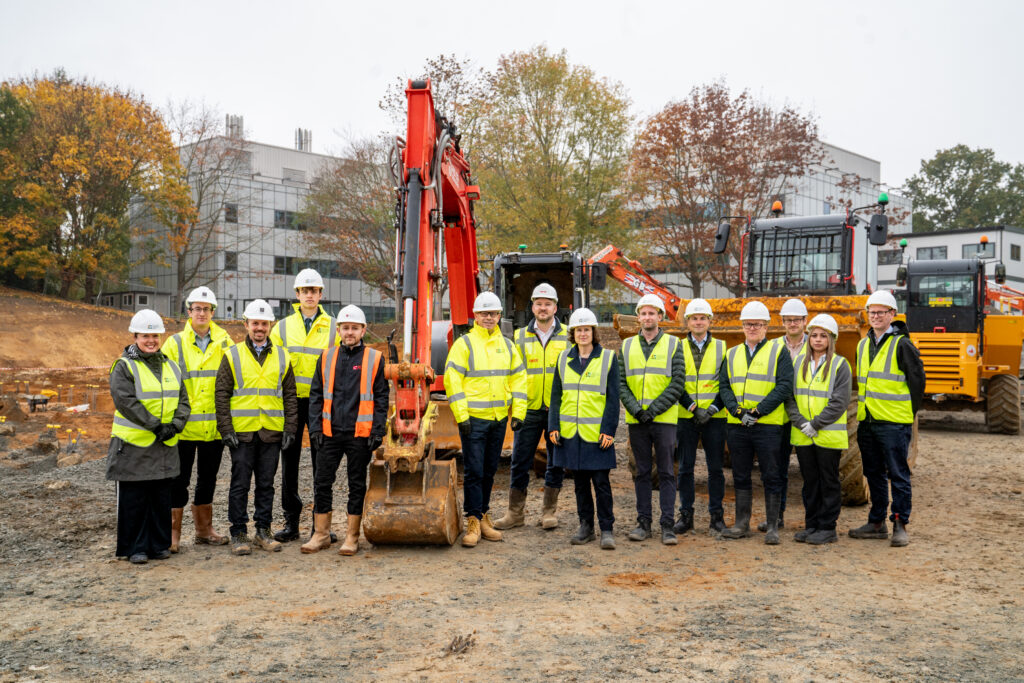
Here is the visible part of your commercial photography in Norwich or anywhere else across the UK and the part where the plan meets a working business.
I arrive early, because the first twenty minutes on site are worth an hour later. Signing in, getting through the induction, finding out who is actually available today rather than who was on the list a fortnight ago, and walking the space to see what the light is doing right now as opposed to what it was doing when I recced it.
Then it is a continuous run of decisions.
The line manager who was down for eleven o’clock is dealing with a delivery, so I reorder the morning and shoot the workshop first.
The window that gave beautiful side light at nine has gone flat by half ten, so that portrait moves to the other end of the building.
A machine that was meant to be running is down, so we cover the process elsewhere and come back to it.
Half the shot list is fine and half of it has quietly changed, and that is normal rather than a disaster.
Alongside that, I am watching things nobody else in the room notices. Clutter in the background of an otherwise good frame. A safety notice that will date the image in six months. Somebody in the wrong PPE for the area we are standing in, which matters for the photograph and matters a good deal more for the site.
Whether the crop I am shooting will still work when your marketing team needs it as a vertical for social and a wide banner for the website, because getting that right on the day is free and fixing it afterwards is not.
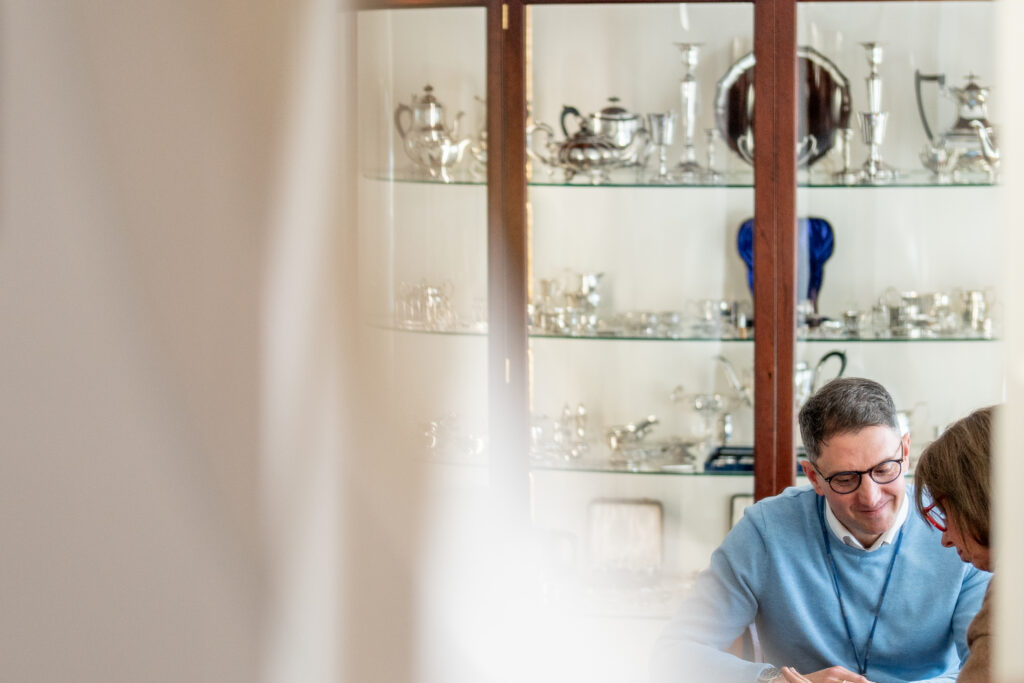
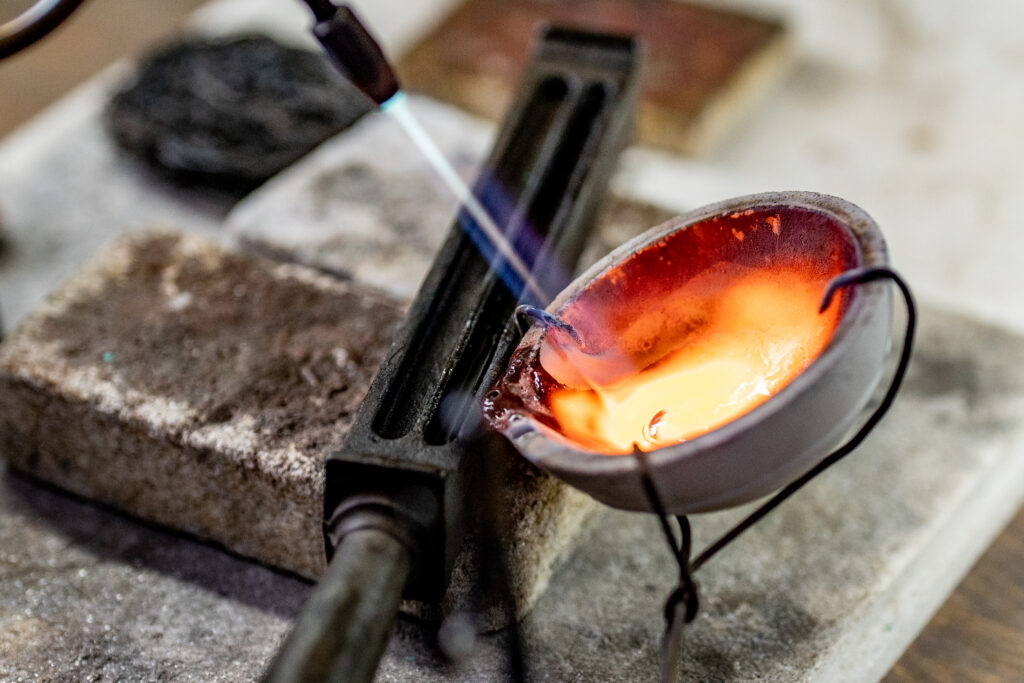
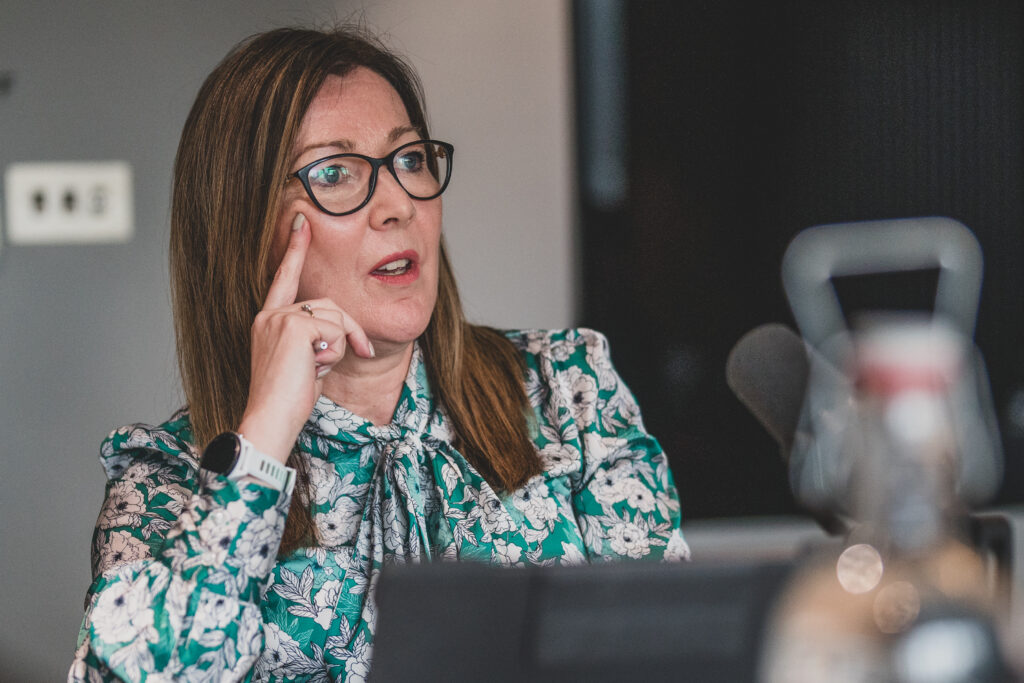
And then there is the people part, which is most of it
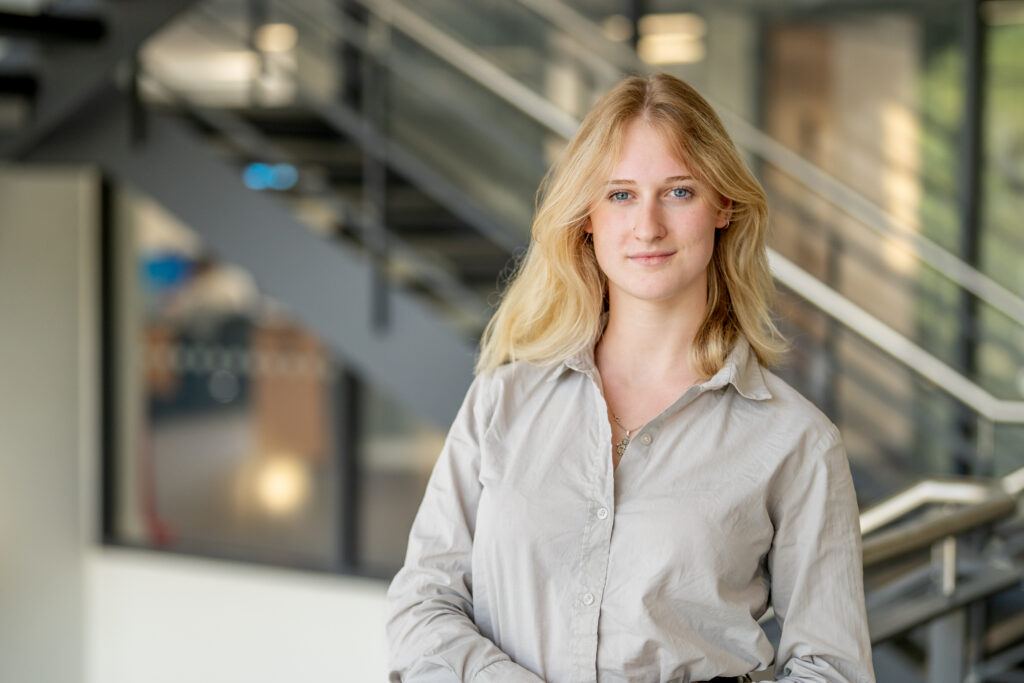
Nearly everyone tells me they hate having their photograph taken. I have never once been on assignment in a business with a room full of staff and management where that phrase has not come up over and over again.
So a good part of the day is reassurance. Talking to the nervous ones before we start, rather than putting them in front of a lens cold.
There is craft in it too, and it is worth knowing why we do what we do. Business portraits get shot facing left and facing right.
The reason is simple. If you are ever featured in a printed article, a magazine spread or a brochure, you want to be looking into the page rather than off the edge of it.
Two versions on file means the image works wherever it lands, and it costs nothing to do on the day.
The other line we hear constantly is, “I hate that side of my face, only photograph me from this side.”
Over a full day covering twenty five or thirty people we take real care with anyone who has an aversion to being photographed, because a rushed portrait of an uncomfortable person is worth nothing to you.
It does have an effect on the schedule, and it is one of the honest reasons a day can run tighter than the running order suggested.
The job, underneath all of it, is to get somebody who has been pulled off a task they were concentrating on to forget the camera is there for the ninety seconds it takes, and then to do that thirty times over without the last person of the afternoon looking wearier than the first.
Cards get backed up before I leave the car park.
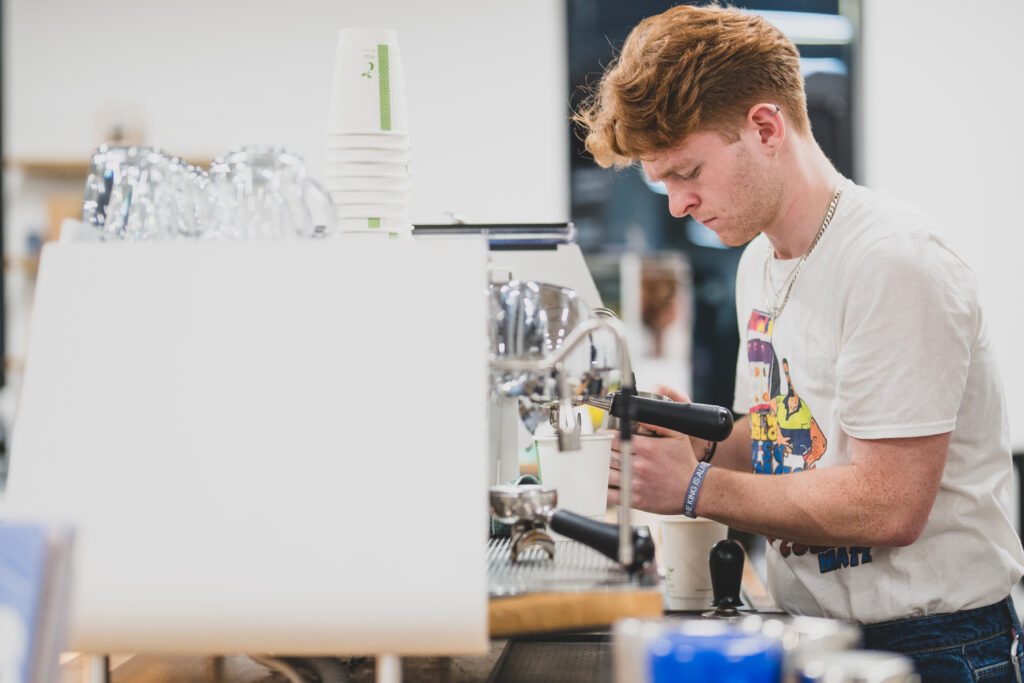
After the shoot
We are part of the way through the assignment now, and hopefully some way towards explaining what commercial photography in Norwich and Norfolk costs, and why.
Backing up happens before anything else. Then culling several hundred frames down to the ones that are genuinely usable, which is a judgement call and probably the single most valuable thing I do all week.
Then colour work on every selected frame, so the set looks like a set rather than a collection of unrelated pictures.
Then export in the right formats and sizes for where the images are actually going.
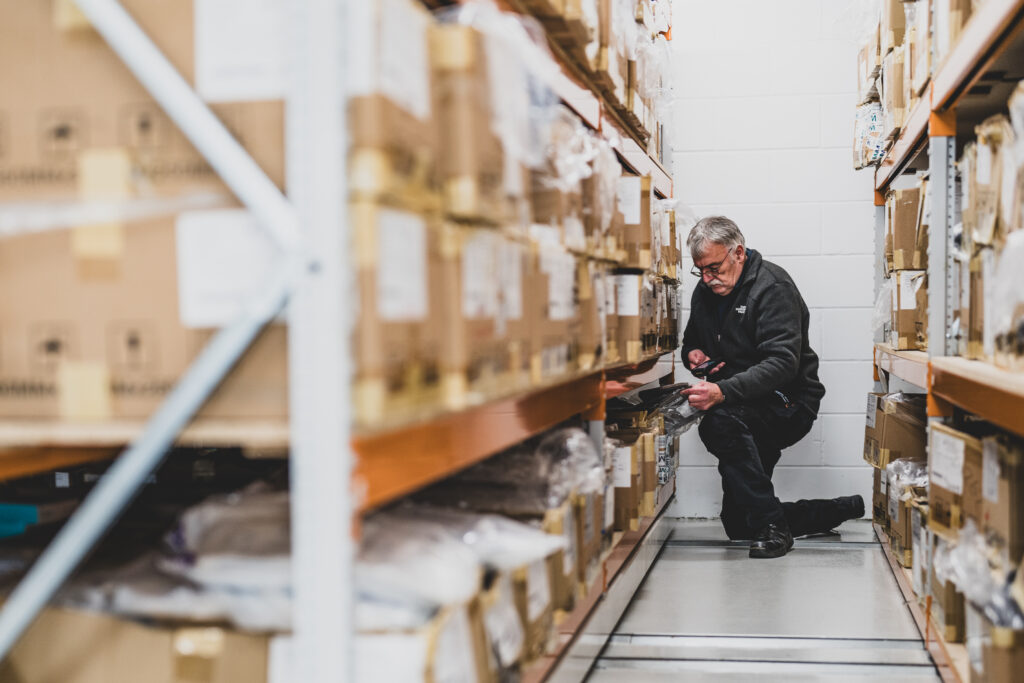
Then delivery, and archiving, so we can find the files again in three years when you need one for something nobody has thought of yet.
That whole chain sits inside the fee.
When someone quotes you a third of our figure, one of those stages is missing. Usually it is the culling and the colour work, which is exactly why the results look flat.

What the tools cost to run
I want to be careful here, because I am not going to sell you on the length of a kit list.
My honest position is that excess equipment is usually overkill and can actively hurt the result. A room full of stands, cables and lights changes how people behave in front of a camera, and it slows everything down.
Most of our best work is done with very little. Natural light, environmental settings, no artificial lighting. That is deliberate, and it is one of the things that sets us apart. It also works in your favour, because a small setup moves quickly, which means more locations, more people and more usable material inside the same booked day.
The equipment still has to exist, though, and it has to be professional grade, and that is a real cost sitting underneath every quote.
Professional bodies and lenses are working tools with a finite life. They get used hard, in weather, on building sites and in factories, and they wear out and get replaced on a cycle.
Everything critical exists twice. A camera failing halfway through your shoot is my problem to solve, not yours, and the only way to guarantee that is to carry a second one that does nothing all day.
Redundancy is expensive and most of the time it is unnecessary, right up until the moment it is the only thing standing between you and a lost day. On a time sensitive assignment that cannot be repeated, where you have had people scheduled and machinery arranged for weeks, failure is not an option we are prepared to leave open.
Then there is everything around it. The Insurance and more
Public liability and professional indemnity insurance, which most industrial and construction clients will ask to see before they let you through the gate.
Separate insurance for drone operations.
Equipment cover. Computers powerful enough to work through several hundred raw files without taking a week.
Calibrated screens, so the colour you sign off is the colour that prints. Software subscriptions. Storage, backed up in more than one place.
A vehicle. A studio. Accountancy, VAT and pension, with no sick pay if I break an ankle and no holiday pay when I take a few days off.
There is also the working pattern. We have never kept office hours, because commercial work does not.
Shoots start before seven, events finish long after midnight, and questions arrive at weekends.
That availability is part of what you are booking, and we are glad to offer it, but it is worth naming as part of the picture.
None of that is glamorous and none of it appears in the photographs.
It is the difference between a business and a bloke with a camera, and it is the reason the two do not cost the same.
It is also where our old friend the weekend warrior comes in.
Not a professional photographer, but holds a full time job Monday to Friday, camera out on Saturday, cash in hand, no insurance, no backup body, no contract and no cover if it all goes wrong. Commercial photography in Norwich is full of camera owners trying to make a bit of money shooting a day here and there. Cheap and cheerful and trying to get a leg up in the industry.
There is nothing wrong with anybody learning the trade, and most of us started somewhere
But if the quote you are comparing us against comes from someone doing this around a day job, you are not comparing like with like, and the difference tends to reveal itself at the least convenient moment.
“But my phone takes great pictures”
Phone cameras in 2026 are genuinely very good, and I am not going to pretend otherwise. For a quick social post from an event, your phone is fine and you should use it. If you’re searching to find. professional photographer, then the phone is probably not the right tool yu need for great images.
The gap shows up in the situations that actually matter commercially.
Low light and difficult light. Factory floors, warehouses, restaurants in the evening, offices lit by a mix of daylight and strip lighting. A phone handles this by guessing and smoothing, and the result falls apart the moment you look at it large.
Movement. Machinery running, a chef working, people walking through a space, anything on a live event. Freezing that cleanly, or blurring it deliberately, needs control the phone will not give you.
Distance and compression. A portrait shot on a proper lens from a few metres away renders a face completely differently to a wide phone lens held at arm’s length. This is the main reason phone headshots look like phone headshots even when they are technically sharp.
Separating your subject from a messy background. Phone portrait modes approximate this with software, and it shows at the edges. Hair and glasses give it away every time.
Size. Phone files look convincing at the size a phone displays them. Put the same image on an exhibition banner, a full page in a trade magazine or a printed brochure and the guessing becomes visible. Picture desks and PR agencies reject phone images routinely for exactly this reason.
Consistency. This is the big one, and nobody thinks about it until the website goes live. Twelve people photographed on a phone by three different colleagues in four different rooms will never look like one team. A set that looks like a set is a deliberate act, and it happens in the shooting and again in the grading.
Underneath all of that is the thing the equipment argument misses entirely. The camera is not the skill.
The skill is walking into a working business you have never been to before, reading the light, deciding what to do about it, and then getting a manager who hates having his photograph taken to relax for the ninety seconds it takes to make a portrait he will actually approve.
Nobody has built a phone that does that part.
“Can’t AI just do this now?”
I get asked this more than I did a year ago, and it is a fair question rather than a daft one.
Generative tools are useful and I am not precious about them. What they cannot do is photograph something that exists. They cannot show your actual production line, your actual premises, your actual team, or the specific thing your business does that nobody else in Norfolk does.
They will produce something that looks broadly like a factory, and your customers will feel the difference even if they cannot name it.
There is also a trust problem building. As synthetic imagery becomes more common, evidence that you are a real business doing real work in a real place becomes more valuable, not less.
Photographs of your own people are the most straightforwardly honest thing on your website.
What moves the cost of commercial photography in Norwich
Five things, in roughly the order they matter.
Time on site. This is the big one. A half day is up to four hours, a full day is up to eight. Most jobs fit into one or the other.
How many people or locations. Portraits are the clearest example. I can get through around sixteen people in a full day at roughly twenty five minutes each, and deliver about twenty usable images per person from a variety of angles. Push past that and you are into a second day, or the quality starts sliding.
Whether you need photography, video or both. Doing both on the same visit is nearly always cheaper than booking two separate shoots, and it means the stills and the film actually match. Video is a different conversation and it has its own page.
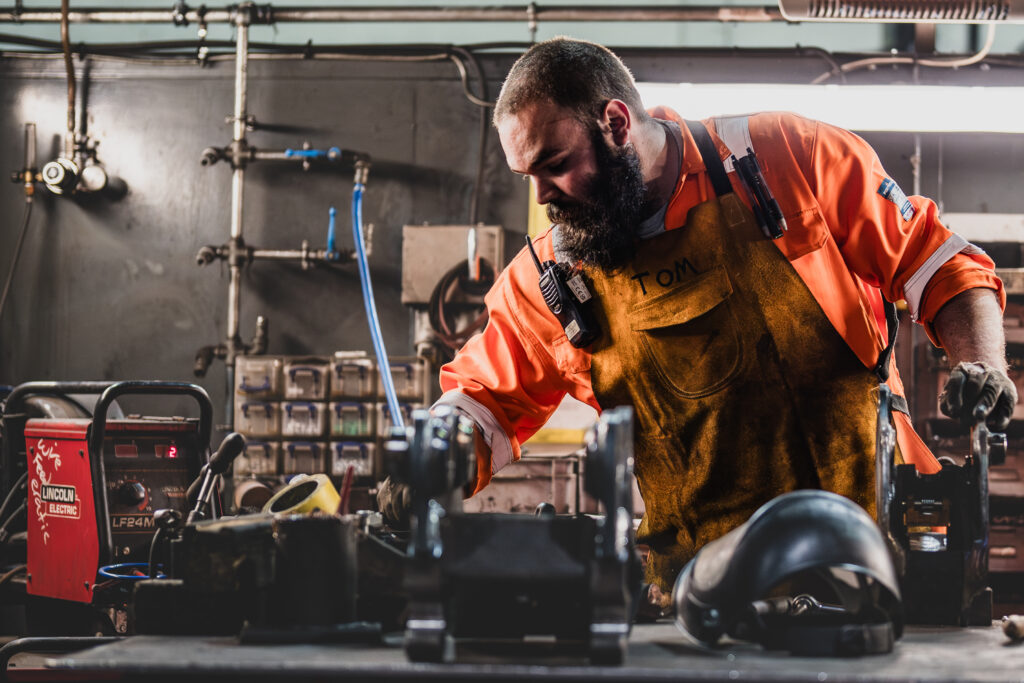
Site conditions. A working factory floor, a food production line or a hospital corridor takes planning that an office does not. Inductions, permits, safety documentation, working around people who have a job to do. That work happens before the camera comes out.
Travel and expenses. Norwich and the surrounding area carries no travel loading. Further afield it is 50p per mile plus VAT, or rail, plus parking. Anything requiring an overnight we book and pass through at cost.
The rates
At this point we are back to the reason you came.
Commercial photography in Norwich and Norfolk starts at £275 plus VAT. A full day is from £850 plus VAT.
Most assignments land somewhere between the two, and the proposal will tell you exactly where before you commit.
That covers the shoot, all the editing, and the finished images delivered inside five working days.
Editing means proper colour work and removing anything obviously distracting. It does not mean reshaping people, and I would talk you out of it if you asked.
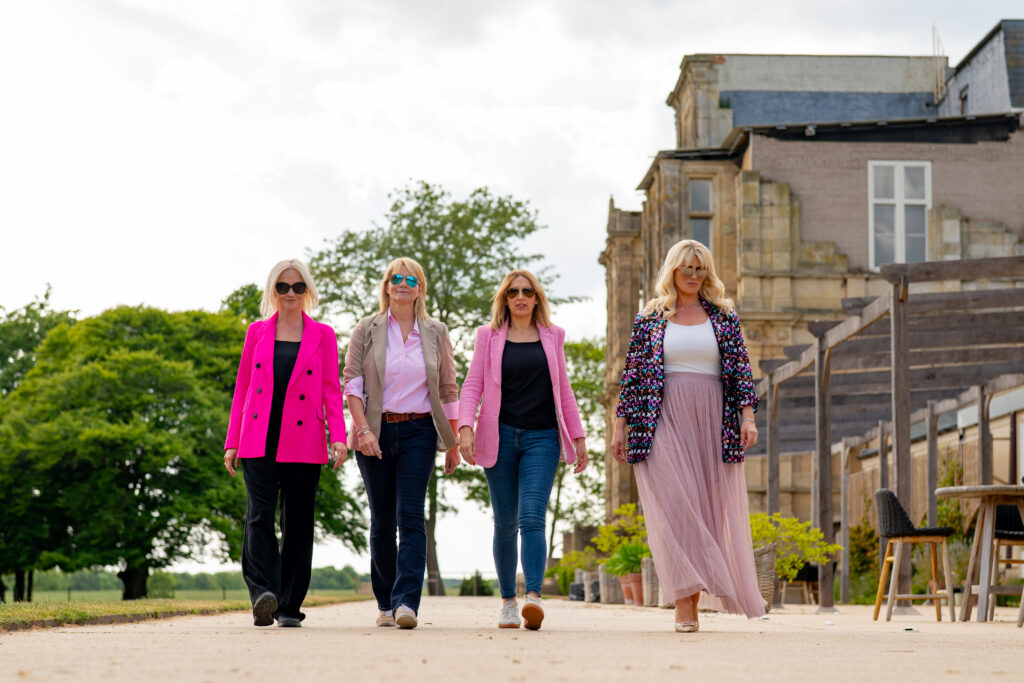
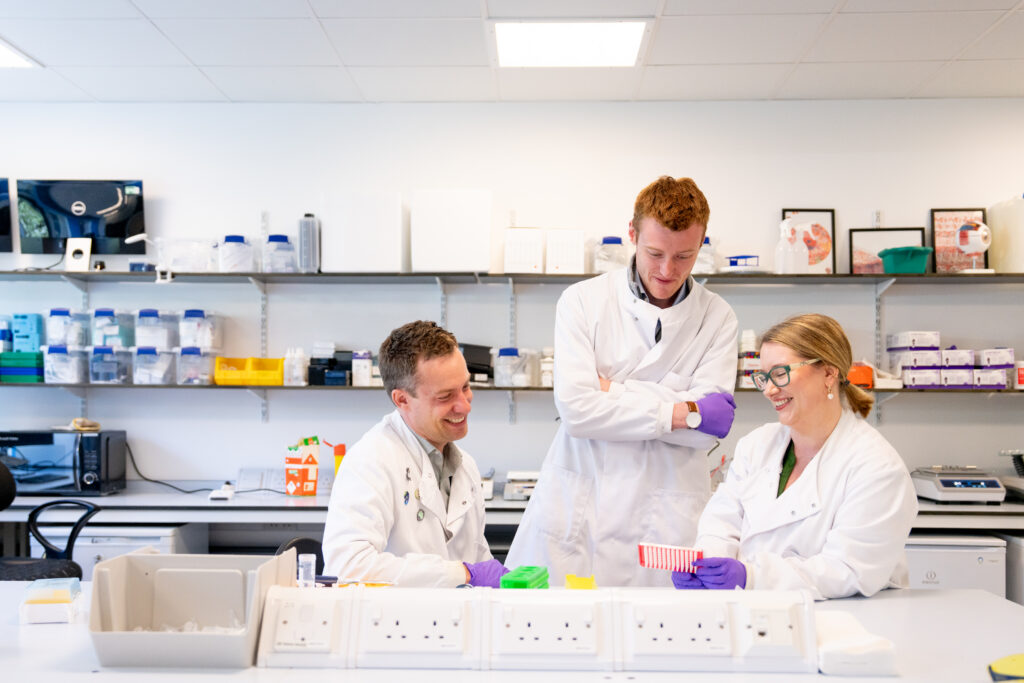
Typical jobs at these rates include business headshots and environmental portraits, industrial and manufacturing coverage, construction progress, food and hospitality, events, and general imagery for a website refresh or a PR push.
Video production, because we also deliver great films for clients
- Half day social content shoot, from £900
- Talking head or testimonial film, from £1,200
- Full day corporate video with a crew of two, from £2,000
- Brand film including scripting and voiceover, from £4,500
- Event video with two operators, from £1,200
- Drone added to any of the above, from £500
- Graphic design, animation and 3D rendering from our trusted partner and in-house team TBC on a project by project basis
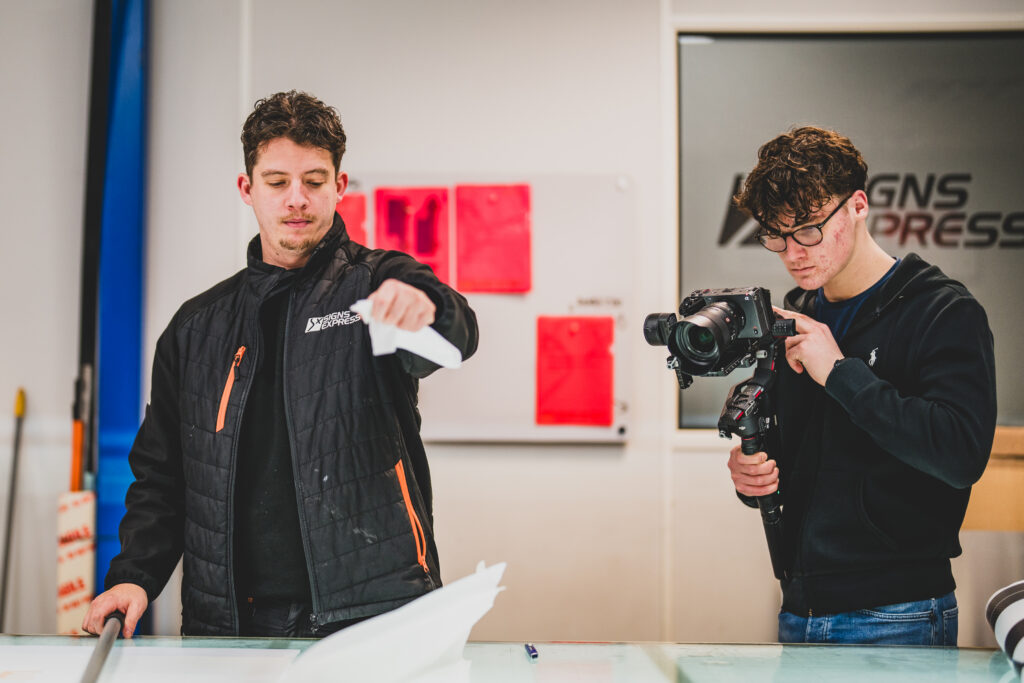
Video is delivered by a two person crew who do everything between them. No third van, no lighting truck, no runner.
What we do not offer is heavy effects work, animation or motion graphics, and I would rather say that plainly than take the job and outsource it badly.
Video also carries a much heavier post production load than stills, which is most of the difference in price.
A two minute film can come from several hours of footage, and every second of it has to be watched, logged, cut, graded and mixed.
Drone work. We’re not just a great photography company, we also fly UAV’s and have been doing so for over a decade.
Drone flying for commercial purposes is regulated, and legitimately so.
I hold a current CAA Operator ID and Flyer ID, carry specific insurance for it, and produce a flight risk assessment for every job.
Airspace around Norwich in particular needs checking properly, and some sites need clearance arranged in advance.
If a quote for aerial work does not mention any of that, it is worth asking why.
The liability for an unlawful flight over your premises does not stay neatly with the person holding the controller.
Invoices are issued at the start of the work rather than on delivery, and everything is quoted plus VAT so there are no surprises when the invoice arrives.
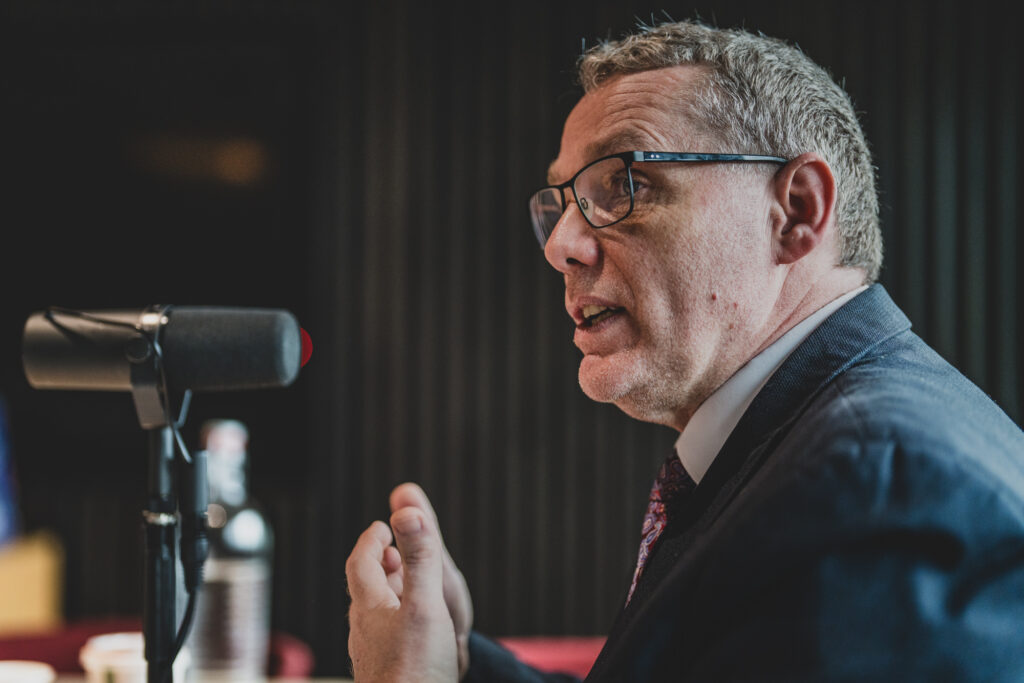
Podcasts
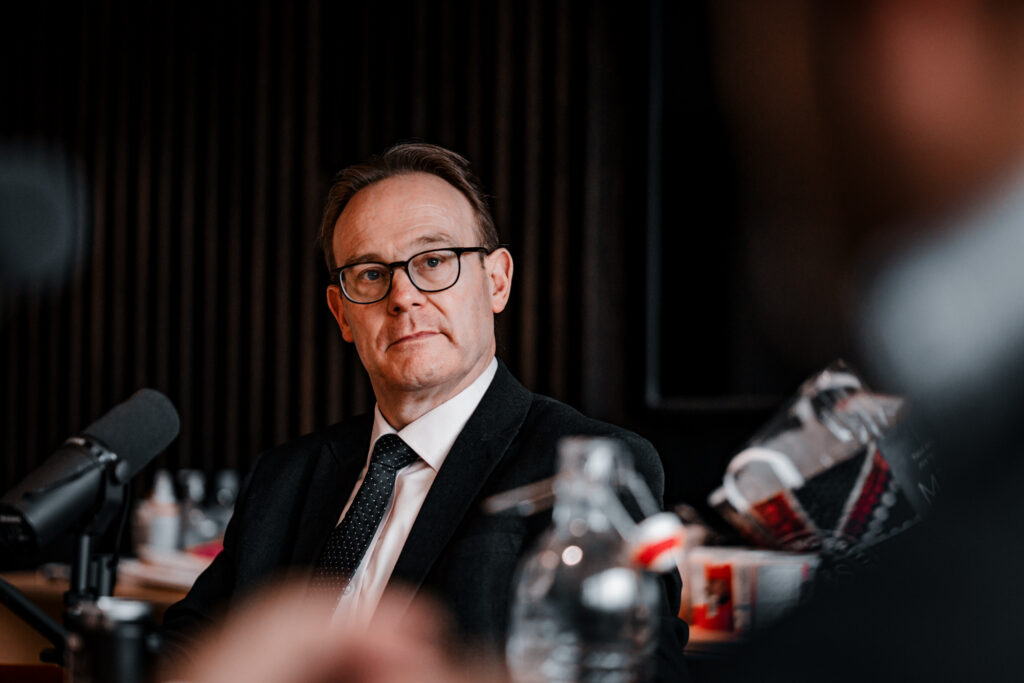
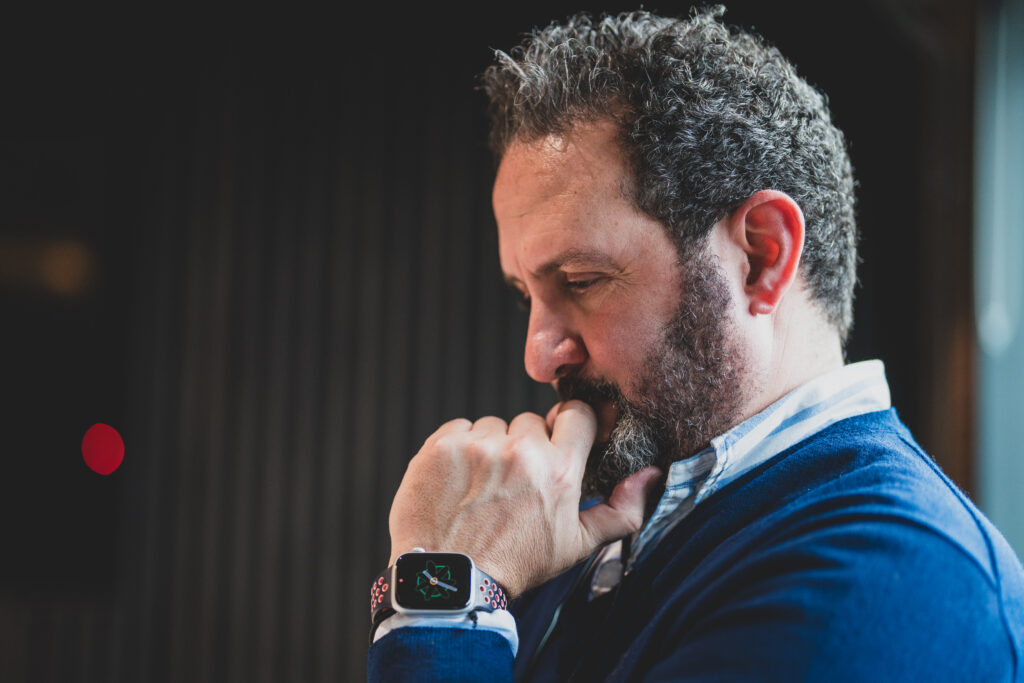
Podcast recording is priced per session and depends on episode length and how many episodes you are recording in a day.
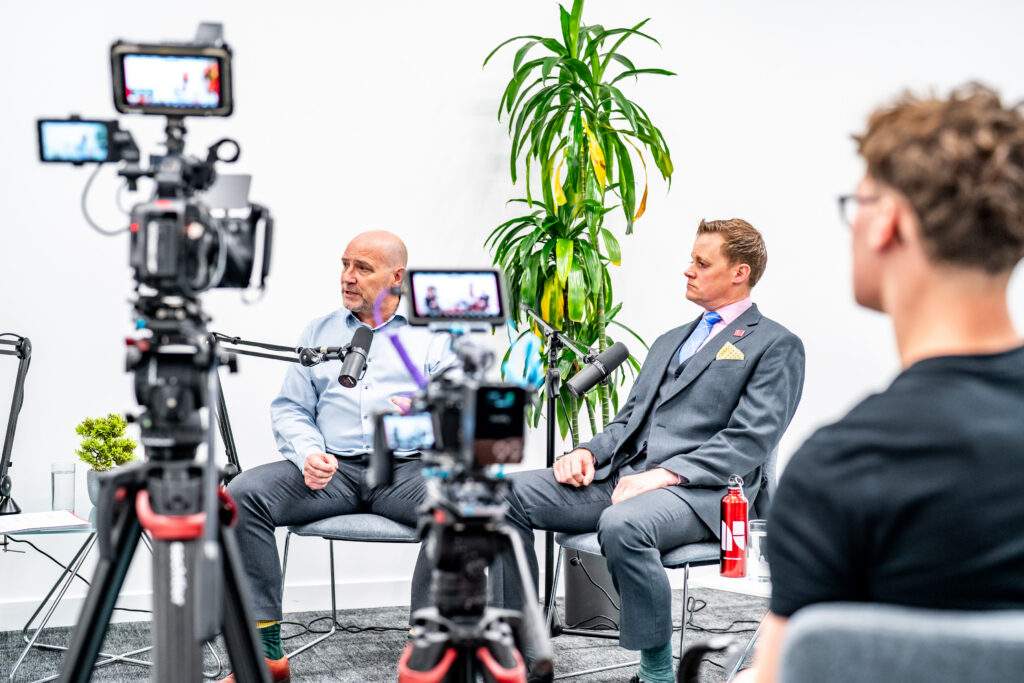
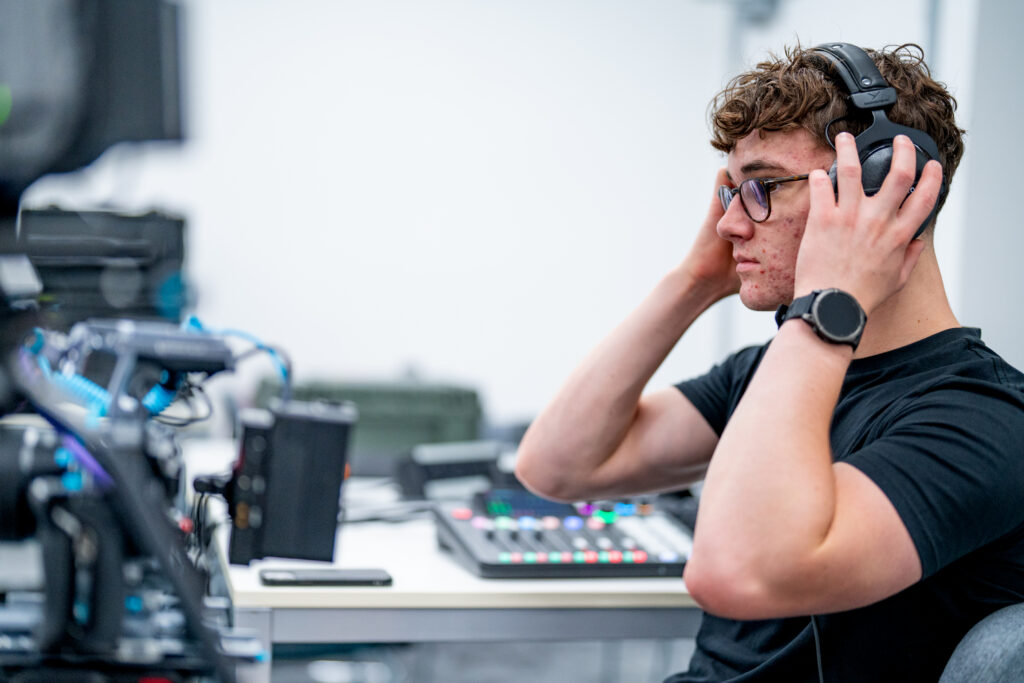
I record these on my own, usually running three cameras and multitrack audio, which keeps the room calm and the cost sensible.
If you are recording a run of episodes back to back, the per episode figure drops considerably.
Getting the most out of the fee
The rate is for the assignment, not per image, and that should change how you think about booking us.
Once I am on site, insured, inducted and set up, the marginal cost of covering more is very low.
The businesses who get the best value are the ones who plan for the whole day rather than the one shot they rang about.
If we are already photographing the leadership team, we can cover the rest of the staff, the building, the process and the product in use in the same visit.
If a video crew is in, stills come off the back of it.
The aim on every job is to come away with the maximum usable content the assignment allows, and I will tell you where the easy wins are before we start rather than after.
That is where the return actually comes from.
A library of images that carries your website, your social channels, your recruitment advertising, your press releases and your sales decks for the next two or three years costs the same as one shoot, and I would far rather build you that than hand over eight photographs.
The team has been doing this for fourteen years, and the practical benefit to you is speed. Knowing how long things take, what tends to go wrong in a particular kind of building, and what to shoot first, means the day covers far more ground than it otherwise would.
About scope, and what happens when a day runs long
Since we mentioned it at the top, here is the honest version.
The quote is built around what we agreed: the hours, the people, the locations and the list. That is what I have planned the day around, and it is why the figure can be fixed rather than vague.
Things change, and that is fine.
If something needs adding between the quote and the shoot, tell us as soon as you know. Nine times out of ten the answer is yes and it costs nothing, because a well planned day has slack in it and I would much rather flex than say no.
Early notice is nearly always free.
Real businesses also do not stop for a camera. Deliveries arrive, machinery goes down, a director gets stuck on a call he cannot leave.
I have never once thought less of a client for any of it, and short overruns get absorbed without anybody mentioning them. That is built into how we price.
If a day is heading well beyond that, I will tell you while there is still time to do something about it, usually around late morning when I can see how it is shaping up, and I will bring you a choice rather than a problem.
Something like: we are running forty minutes behind, so I can either drop the exterior set or run on until four at the additional rate. Your building, your budget, your call.
Any additional time rate is stated in your proposal before you book, so you always know what it is, and nothing is ever charged without that conversation happening first.
Goodwill, shown rather than hidden
One small thing we do that clients tell us they appreciate.
Where we have absorbed extra time on site, it goes on your invoice as a line at zero.
Additional time, ninety minutes, no charge. It is not there to make a point.
It is there because you should be able to see what the day actually took and what was included, in the same way you can see everything else we charge for.
Transparency works both ways, and it is easier to trust a figure when you can see the whole of it.
What is included that you might expect to pay extra for
All editing. Not a selection of edited frames with the rest available for an additional fee.
Unrestricted usage rights. The images are yours to use wherever you want, for as long as you want. No licence terms, no renewal fees in eighteen months, no separate charge because you decided to put a photo on an exhibition stand rather than a web page.
This one catches a lot of businesses out and it is worth checking with whoever else you speak to.
The full set of files. Delivered properly, at the right sizes, ready to use.
Archiving. We keep your images as JPEGS, not the RAWS. If you need a file again within 12 months unless stated, we should have these although we do charge unarchiving fees.
What is not included
Studio or location hire, venue booking fees and anything similar sits with you.
We do not arrange those or carry them on your invoice, mainly because you will get a better rate booking direct than you would with our margin on top.
Why the cheapest quote is rarely the cheapest outcome
Four things to check on any quote you are comparing, ours included.
Who owns the images afterwards, and whether there is a licence attached that expires. Whether all the images are edited or only a handful.
Whether they carry public liability and professional indemnity insurance, because if they do not, and something happens on your site, it becomes your problem. And whether the person quoting is the person turning up.
The genuinely expensive outcome is a set of images that do not work, because you pay for those twice.
Once for the shoot, and again in everything they fail to do over the next two years while they sit on your website.
Why businesses book us
You get the person you spoke to. No account manager passing the brief to whoever was free that week.
Small crews, deliberately. The budget goes into the shoot itself rather than a crew list.
Natural light, used properly. We work with the light and shadow already in the space to shape the image.
The point is not to fake a studio look outdoors. It is that lights have to be carried into and rigged at every single location, which is impractical the moment a shoot is on the move through offices, coffee shops and public spaces.
Working with available light means we keep moving, and you get more usable material in the same window.
We can get onto sites that cause other people problems. Before this I was a Norfolk Police sergeant, so risk assessments, method statements, site inductions and working sensibly around live operations are familiar ground rather than paperwork I dread.
For industrial, construction and food production clients that is often the difference between a shoot that runs and a shoot that gets cancelled at the gate.
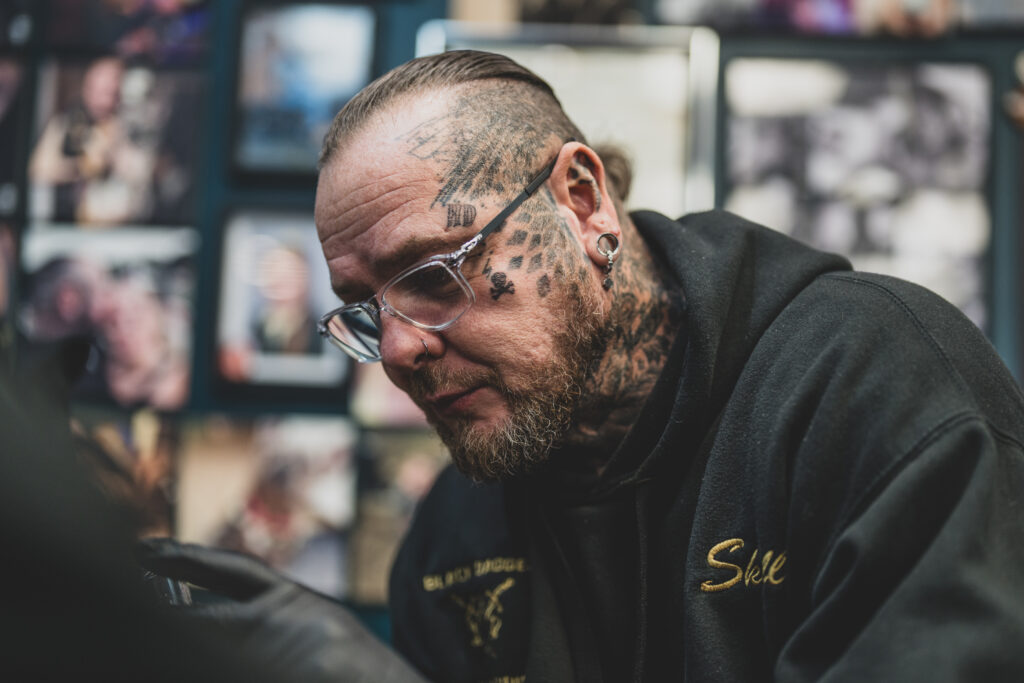
A commercial track record across sectors. Manufacturing, professional services, healthcare and science, funeral care, retail, hospitality, construction, festivals and live music.
Different rooms, same job, which is to make the people and the work look like themselves on a good day.
Payment terms
Our Terms at Blanc Creative are pretty standard. 28 days from commencement of the assignment. Every single part of our business is set out in writing in our Terms & Conditions of service.
Invoices are issued at the start of the work rather than on delivery, and everything is quoted plus VAT so there are no surprises when the invoice arrives.
Getting an actual figure for your job
You will get a fixed figure and a written proposal covering scope, timings and delivery, so you can compare it properly against anything else you are looking at.
Tell us what you need the images to do, roughly when, and where studio@blanc-creative.com | 07871 364041