Video Production for Business: “We need a video.”
Nearly every video enquiry I get starts with the same eight words.
“How much do you charge?”
It is a completely reasonable place to start, and I never mind hearing it. But it is not a brief. It is a symptom.
Something has usually happened behind those four words: a rebrand that has left the website looking flat, a new product with nothing to show for it, a recruitment problem, a competitor who has put out a film that made someone in a board meeting uncomfortable, or a marketing manager who has been told to “do more video” without being told what that means or what it costs.
So before anyone talks about quotes, the first job is working out which video you actually need.
Because “a video” can mean any of these, and the price of each one is wildly different:
- Video production in the form of a brand film that explains who you are and why anyone should care
- Interviews with your leadership team, cut Longford (wide) for the website and short-form (portrait style) for LinkedIn
- Customer testimonials filmed at your client’s premises rather than yours
- Social media video production, vertical, fast, subtitled, built to be watched with the sound off
- Event video production, where there are no second takes
- Recruitment content aimed at people who have not heard of you yet
- Product and process footage for a sales team or a trade stand
- Aerial and drone work to show scale, site or location
- Voiceover, scripting, music licensing and sound design
- Editing, colour grading, subtitling, and multiple versions cut for different platforms
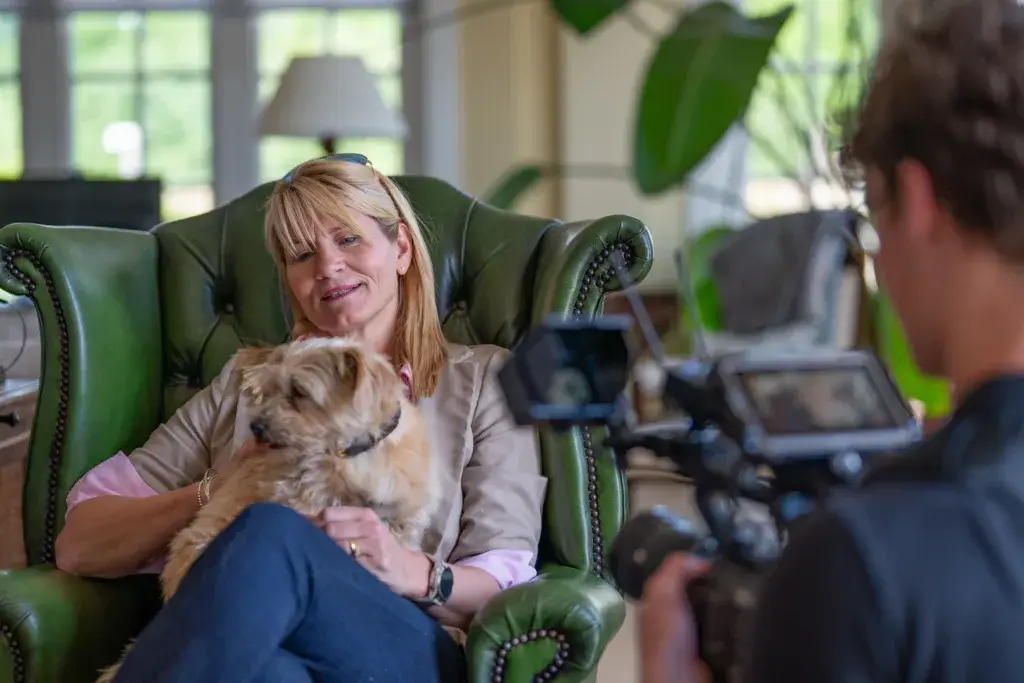
You can see the problem with quoting for a video production assignment.
Two companies can both say “we need a video” and mean jobs that are a month and several thousand pounds apart.
Any quote that arrives before that conversation has happened is a guess dressed up as a price.
This piece is my attempt to explain, in plain English, what commercial video production actually involves and where the money goes.
If you are weighing up quotes from a video production company and they all look different, this should tell you why.
Nobody needs “a video”. They need an outcome.
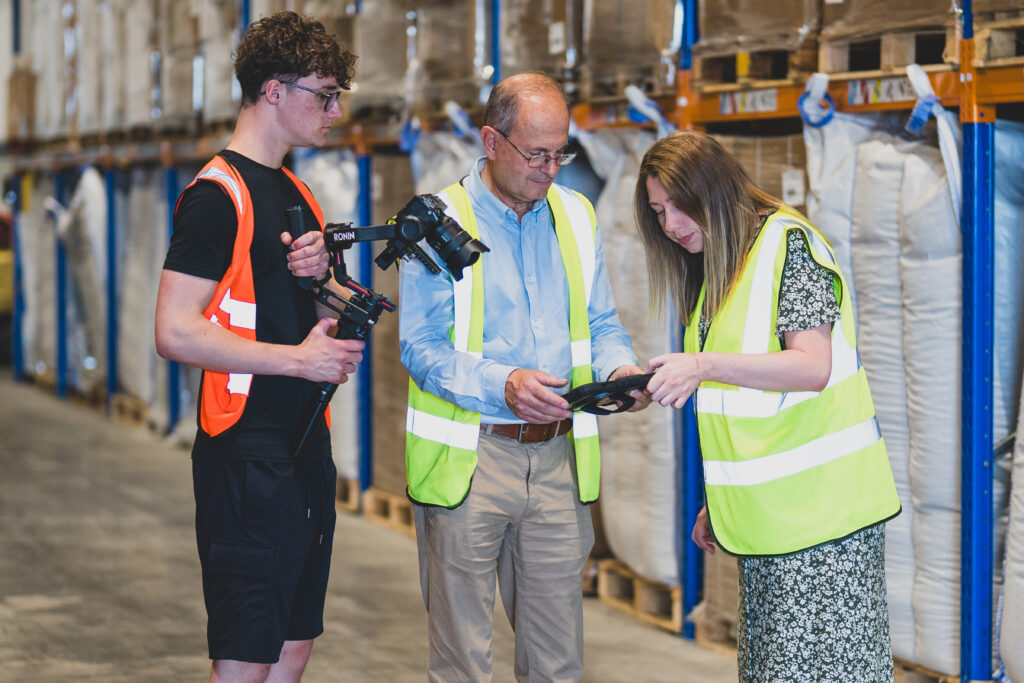
The most useful video production question I ask on a first call is not “what do you want filmed”. It is “what has to be true after this film goes live”.
More enquiries? Fewer explanatory sales calls? A stronger application pool? A client who renews? A room full of people at a conference who understand what you do before you have opened your mouth?
Once I know the outcome, the format almost picks itself.
That’s the part of the process businesses tend not to buy. Why? Because this part of video production is invisible on the invoice, but it’s the part that decides whether the film works.
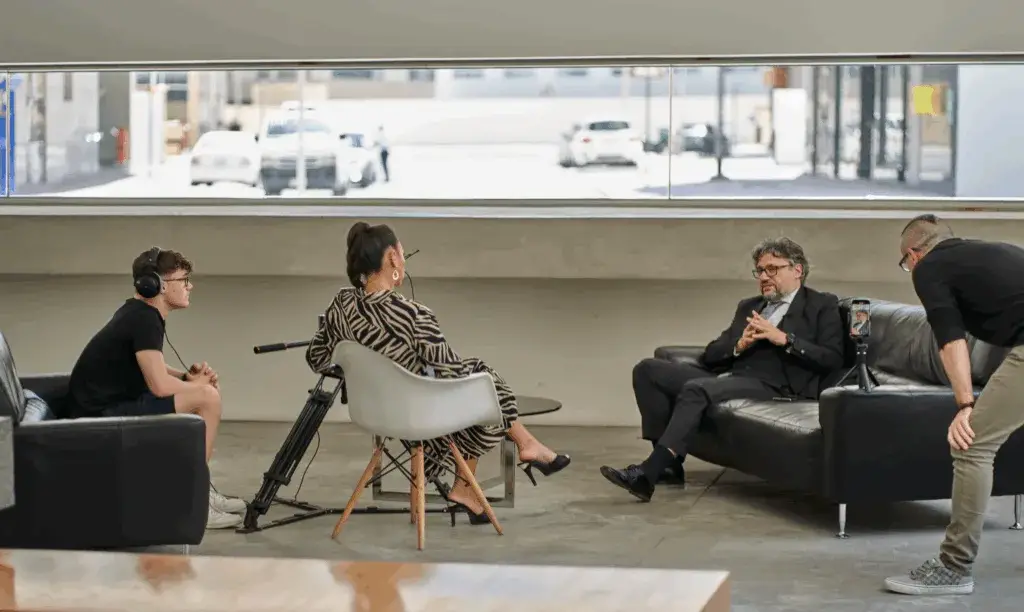
Where the money actually goes.
The second question will enevitably be (if it’s not the first question) How much will a video cost me?
Here is the honest breakdown of a commercial video production, in the order it happens.
1. Planning and pre-production
This is the recce, the schedule, the shot list, the script or interview questions, the running order, the risk assessment where one is needed, and the awkward practical questions nobody enjoys.
Who is on camera. Are they any good on camera. What time does the light hit that side of the building. Is the factory floor running that day and will I be able to hear anything over it.
So many times, we’re asked to just rock up and shoot on the fly for clients, because they don’t see a return on investment for planning and preparation.
Do we need permission to film in that space. Who signs off the final cut, and how many people are in that chain.
Pre-production is where a shoot day is saved or wasted. A day of filming with no plan produces a hard drive full of footage and a very expensive editing problem. Problems down the line, which will be explained, when people donlt have a brief. Or they have a brief and decide not to tell you what it iOS, and then expect the shooting and editing to resemble something far beyond their expectations.
It’s the small music festival where somebody off the marketing team expects a 5,000 crowd to look like 45,000, the dirty warehouse that management want to look like a pristine clinical manufacturing line or the MAgaing Director expecting to deliver a piece to camera like a News Reader, without any pre-prepared narrative.
Video production pivots on planning and there’s nothing more soul destroying than leaving a day’s shoot with only half the content you expected and shots that are nothing special because you haven’t planned.
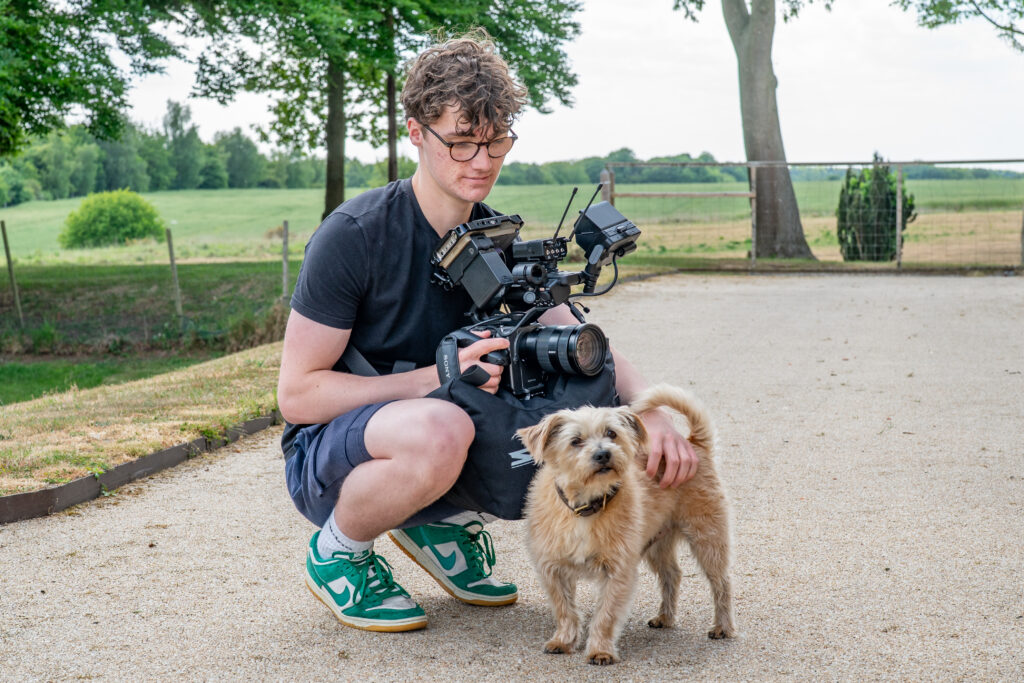
2. The filming day
This is the visible bit of video production and it is the part clients naturally focus on because it is the part they can see. A half day, a full day, multiple days across sites.
What matters here is pace.
An experienced crew knows how long a set up takes, how long an interview really runs, and how much you can honestly get done between nine and five without the last location being rushed.
Overrunning is not a badge of hard work. It usually means the day was planned badly or something unaccounted in the planning has reared its head and caused some unforeseen circumstances, because even the best preparation days can have [problems.
We’re only human after all.
3. Crew
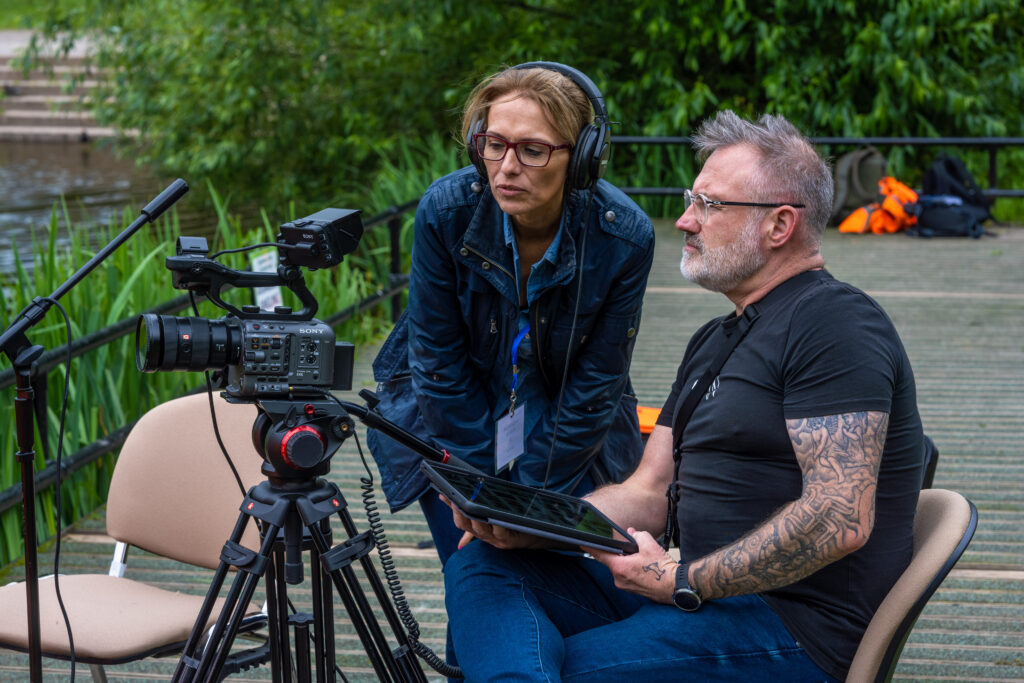
One person can shoot a straightforward interview well. Two people can shoot the same interview faster, with a second angle, with someone actually monitoring the sound, and with cutaways captured while the first camera is still rolling.
Crew size is a decision, not a status symbol. You don’t always need 8 people in your team
On a corporate video production with three locations and eight interviewees in a day, a second pair of hands is the difference between finishing and not finishing.
On a quiet founder interview, a second person in the room can make the subject stiffen up, which costs you more than it saves.
4. Kit
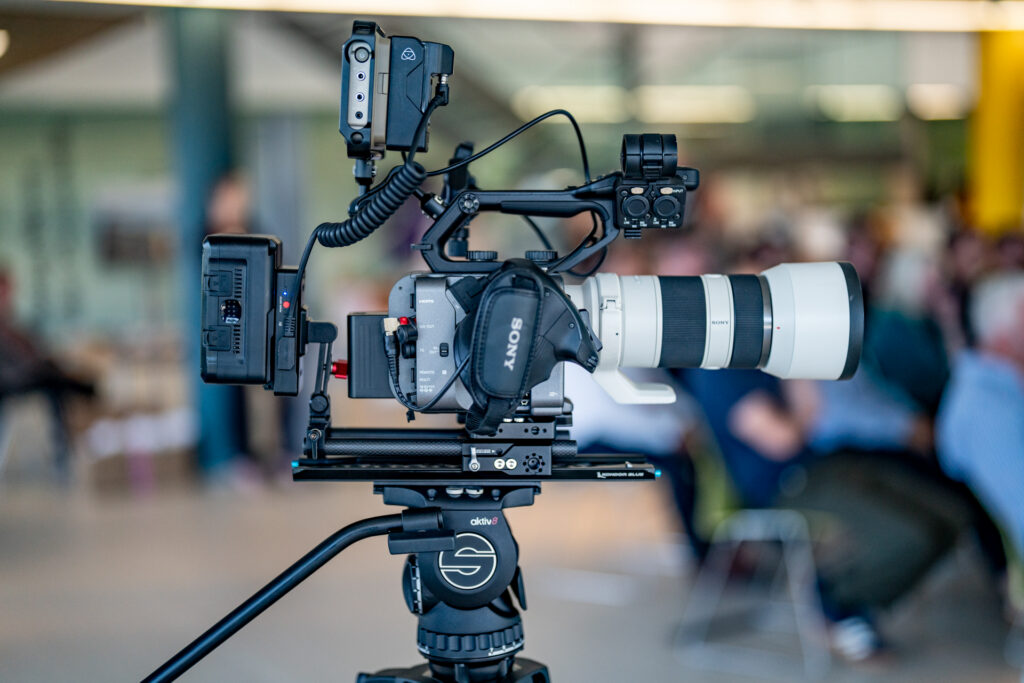
I am going to be unfashionable here. The amount of gear a crew carries tells you very little about the film you will get.
What matters is that the equipment suits the job.
A brand film shot on a properly chosen setup with two good lights and a plan will beat a van full of flight cases operated without one.
It’s a good place to stop here and talk about those costings, because… 8 people, 10 lights, 4 monitors, reflector set ups, for an interview that takes 3 hours to light, is going to kill your budget stone dead and I have to one honest.. We pitch our work and our kit, based on the budget constraints that many business, both small and large, have to work with and this will impact on the type of production value you receive as you think further and further outside the box and requirer more and more cinematic work.
When clients start talking about wanting CGI, Green Screen and music scores from famous musicians, there does have to be a slight reality check on the Return on Investment they are expecting and to what type of finance level they wish to take their production to.
Getting back onto the subject of where kit does earn its keep, is in resilience and consistency.
Cameras that match each other across a multi camera interview. Backups running as we shoot.
Batteries and media that will not fail on the one take you cannot repeat. That is what you are paying for, not the logo on the side of the body.
5. Sound
If you take one thing from this article, take this. Viewers will forgive imperfect pictures.
They will not forgive bad audio. They will click away within seconds and they will not be able to tell you why.
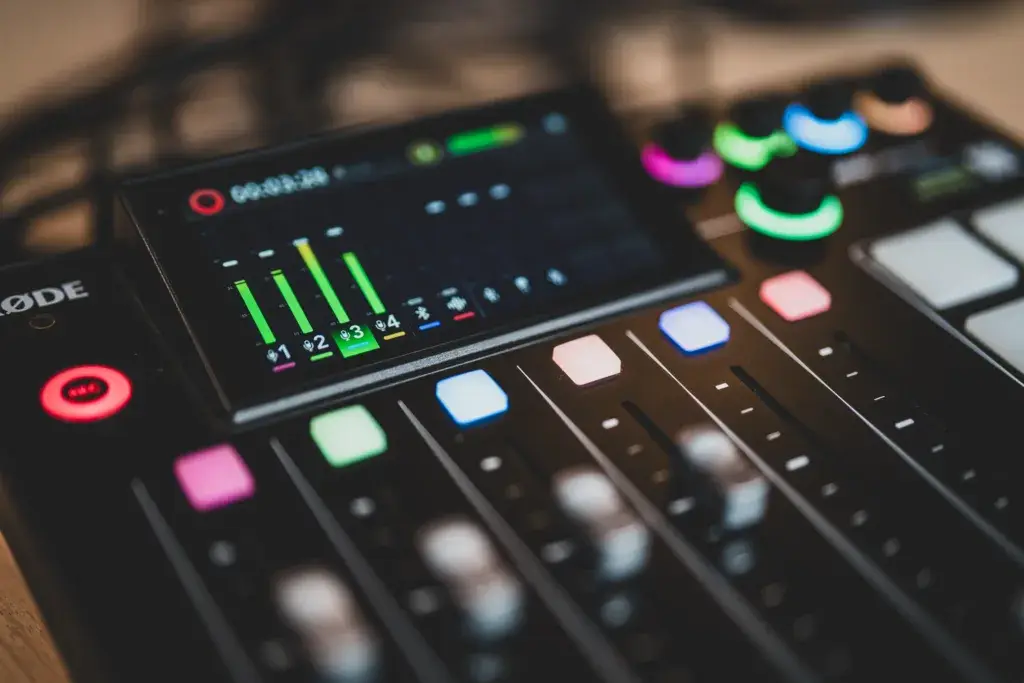
Good sound means the right microphone in the right place, a room chosen for how it sounds and not just how it looks, someone listening on headphones while the take is happening rather than discovering the problem in the edit, and a backup recording running in parallel.
Air conditioning gets turned off. Phones get put in another room.
It is unglamorous and it is the single biggest quality difference between professional and amateur video. Sound accounts for more than 50% of your film.
6. Editing
The edit is usually the longest part of the job and the part most under-estimated in quotes.
A one minute film can take a day. A five minute film with multiple interviewees, archive material, graphics and a music bed can take considerably longer.
Editing is where the story is actually built. Choosing which twenty seconds of a fourteen minute interview carry the point.
Cutting a sentence so the person sounds like the best version of themselves rather than someone stumbling through a third take.
Pacing it so the viewer stays to the end. It is writing, done with footage.
It also includes the round of amends, and this is worth putting in your quote before you sign anything. Two rounds of amends, time capped to save scope creep, is normal and sensible.
Unlimited amends are not a generous offer, they’re an unpriced risk, and it usually gets absorbed somewhere less visible.
And it stems all the way back in this blog to the original brief. Why falls down is when the client leaves you to your own devices to deliver the artistic elements based on a brief conversation about what they want. Your team are adamant that what you’ve edit works beautifully.
Then, across two rounds of revisions, the client and five of their staff, who all have differing opinions, agree that there’ something they’re just not happy about that they can’t put their finger on and by this time, revision round have been eaten up.
You have two choices, work free, but where does it end, or the client is quoted a pro e to finish the assignment.
Getting an absolute brief in writing for the client is one of the biggest key’s to a successful edit and offers absolute transparency about what the finished product should look like and to also manage everybody’s expectations.
7. Colour grading
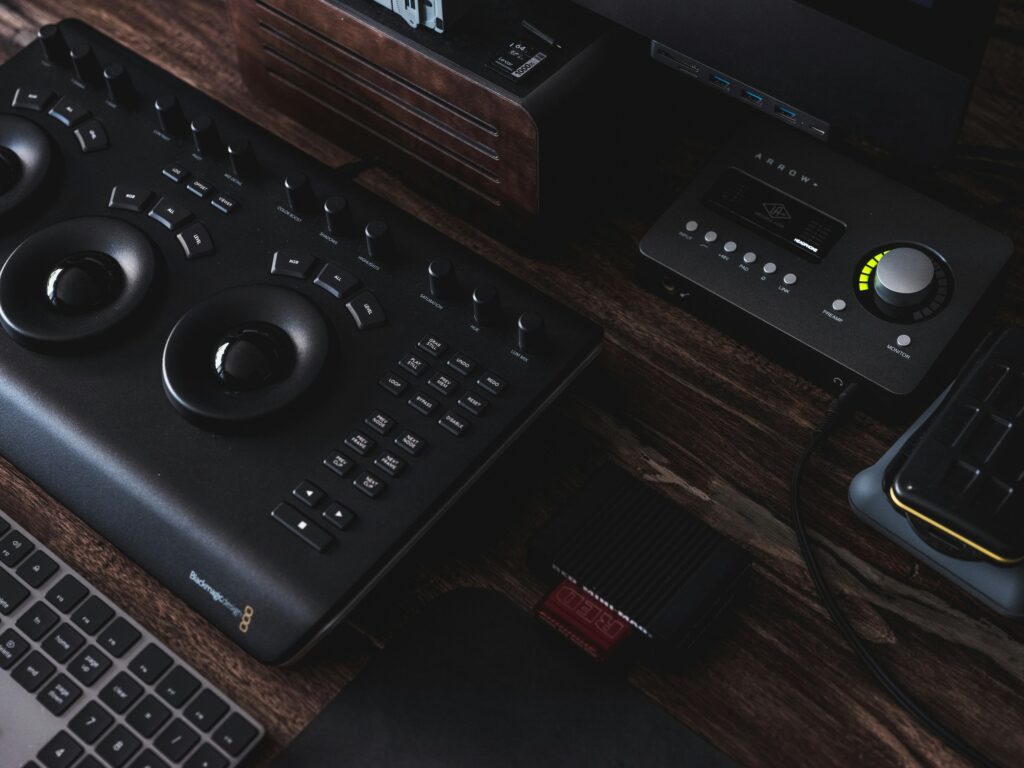
Grading is what makes footage from three different rooms, two different times of day and two different cameras look like one film. It is also where the mood is set, and where your brand colours can be respected rather than fought.
Grading is time consuming, takes a lot of skill and is often overlooked as a worthwhile editing element.
Ungraded footage looks flat and slightly grey, especially if you’ve been shooting in RAW. Most people cannot name what is wrong with it. They just decide the video looks cheap.
The Funeral – A case study for Rosedale Funeral Home
8. Versions and deliverables
This is the part that quietly doubles the value of a shoot and the part most businesses forget to ask for.
The same day of filming can produce a main film for the website, a shorter cut for a conference or a trade stand. It could be a set of vertical clips for social with burned in subtitles or a fifteen second cut for paid advertising.
Each version takes editing time, so each version has a cost, but that cost is a fraction of going back out and filming again.
If you commission one film and one film only, you are leaving most of your investment on the hard drive
9. Usage, licensing and longevity
Ask any video production company what you can do with the film once it is delivered, and for how long. It should be a short, boring answer. If it is not, read carefully.
Two things genuinely matter.
Music licensing, because a track that is cleared for organic social is not always cleared for paid advertising, and a copyright claim on your campaign film the week it launches is an expensive lesson.
And people, because if you film staff or customers, you need them to be comfortable appearing, and you need to think about what happens to that film when someone leaves.
A good corporate video should be doing its job for two or three years. That changes how you should judge the price.
A film that costs a few thousand pounds and works for three years across your website, sales decks, recruitment pages and social is not an expensive video.
It is a very cheap sales asset that you keep paying nothing for.
What should a business expect from a professional video production company?
This is the more useful question, and it is the one I would ask if I were buying rather than selling.
A conversation before a quote. Anyone who prices a commercial video production from a two line email has either made a lot of assumptions or is quoting you for a different job to the one you need.
A written scope you can actually understand. Number of filming days. Crew size. Number of finished films and their approximate lengths. Number of amend rounds. Delivery format. Music licensing. What is included and, just as importantly, what is not.
Transparent pricing. I publish starting prices, because I have never understood why a business should have to get on a call to find out whether a supplier is in their range at all.
You can see our current rates on the commercial video production page.
Insurance and a grown up attitude to site safety. If you work in construction, manufacturing, healthcare or anywhere with a site induction, this is not optional.
A professional videographer should be able to produce public liability cover and a risk assessment without a fuss, and should already be asking about PPE before you mention it.
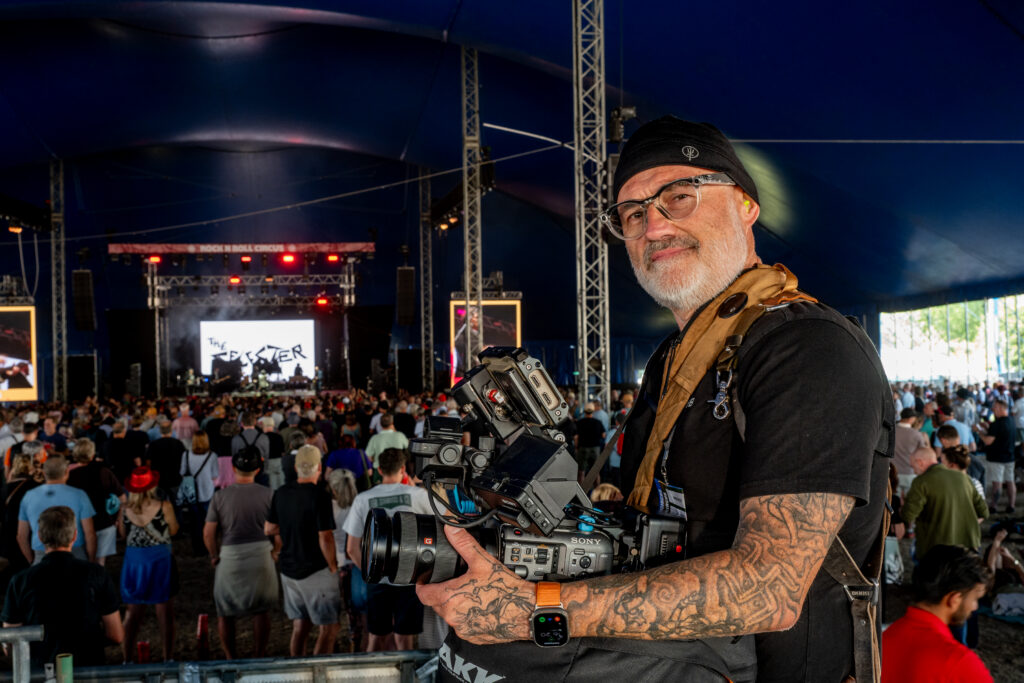
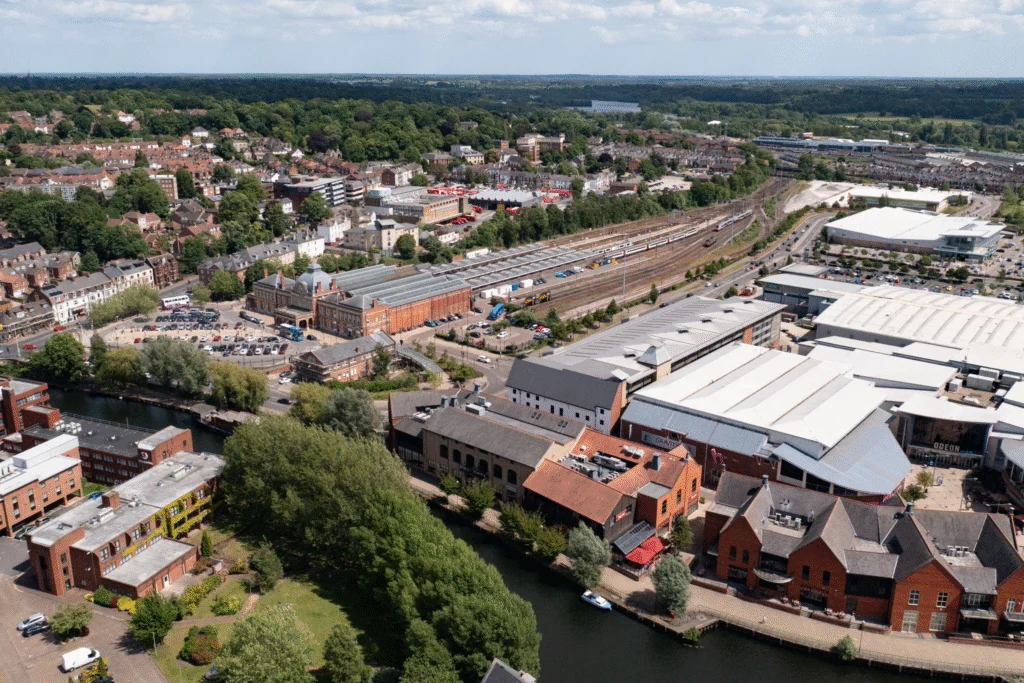
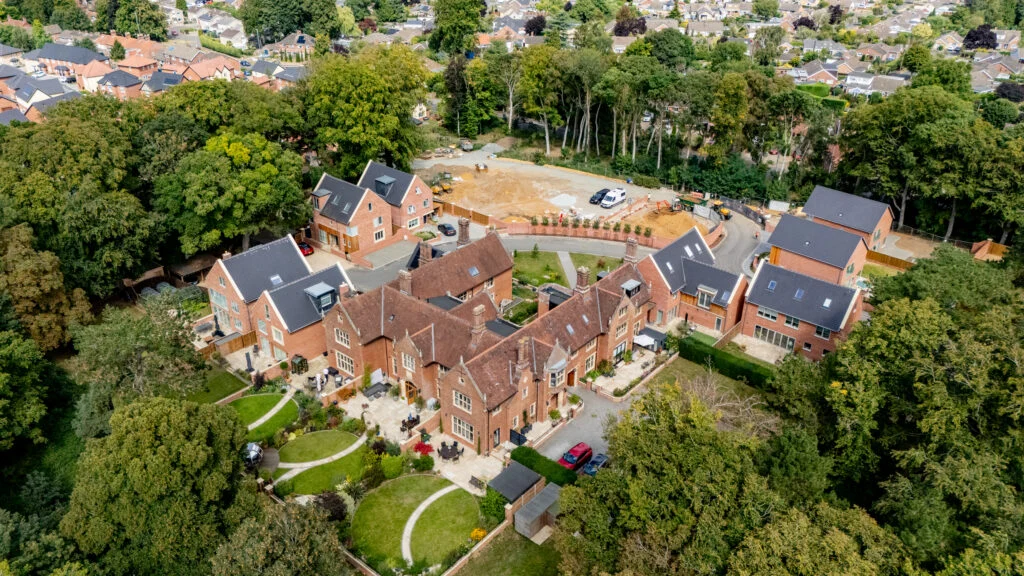
If drone work is involved, ask for the operator credentials and the flight plan. Our aerial and drone work is fully CAA compliant, and I would treat any aerial quote that skips that conversation as a serious warning sign.
Realistic turnaround for your video production, then delivery on it.
A week for social cuts, two to four weeks for a longer film with amends, is normal. Is it reasonable for a client to expect a two day turn around on 3 or 4 days of filming and a set of 500 rushes… Probably not. But I’m sure like me, every film maker out there has experienced that. Should this type of workload be pitched appropriately in the proposal costs…. Definitely!
Faster is possible when it is planned for. What is not acceptable, is silence.
Sensible behaviour around your staff and your customers. A production crew is in your building, in front of your people, sometimes in front of your clients. How they behave is part of what you are buying. I have filmed in boardrooms, bakeries, workshops, festivals and muddy sites, occasionally in the same week, and the ability to put a nervous person at ease is worth more than any camera.
Someone who tells you when you are wrong. If you ask for a five minute film and the material will only carry ninety seconds, you want to hear that before the edit, not after.
Video Production examples from the archives of Blanc Creative
Video production for business: What happens at a funeral: for Rosedale Funeral Home
Rosedale Funeral Home asked Blanc Creative to make a film that could be shown to children in schools, explaining what actually happens at a funeral.
The idea came from a young man who told them that when he walked through the door to his mum’s funeral he had no idea what he was walking into.
Rosedale made it as part of their long standing support for Nelson’s Journey, the Norfolk charity that works with bereaved children.
The finished film runs to around nine and a half minutes. IT stand as one of best ever pieces of work. Why?
Behind it sat over 200 hours of work: days of research into how a child thinks about death and what they are actually afraid of, a storyline built around the questions a child would ask and the order they would ask them.
It supported a script that went through more versions than I care to admit, five days of filming, a week in the edit and a full colour grade.
Almost all of that time was spent before and after the camera was rolling, and none of it shows up as a line on a shot list.
It is the reason a nine minute film can sit in a classroom and do a job most adults find difficult to do in person.
It is also the film I am proudest of.
You can read the full story of how it was made here.
Lovewell Blake and The Penny Bun Bakehouse
Lovewell Blake are a top fifty chartered accountancy practice with offices across Norfolk and Suffolk, and we have worked with them for years. Almost 14 to be price at the time of writing this.
When it came to showing what their advice actually does for a client, the obvious answer would have been to film a partner at a desk in their office talking about tailored support.
So… We did the opposite.
We filmed at The Penny Bun Bakehouse in Lowestoft, a wholesale bakery run by Johnny Spillings, and let him tell the story in his own bakery, in his own words, surrounded by the work.
The film is about him. Lovewell Blake comes out of it looking like the people who helped, which is a far stronger position than telling the viewer the same thing directly.
That decision was made before a single camera came out of the case. You can read the full case study here.
The Soap Box Derby – Event coverage made very special.
Event video production has none of the safety net the rest of this article assumes.
There is no second take of the trophy being lifted, no reshoot of the keynote, no going back next Tuesday.
When we covered the Beccles Soap Box Derby, where PCE Automation took the winners’ trophy, the whole job came down to being in the right place with the right settings before the thing happened.
That is planning and experience, not equipment. You can see that day here.
Why the quotes you have in front of you all look different
If you have three quotes on your desk and they range from a few hundred pounds to five figures, they are almost certainly not for the same thing.
The cheap one is usually one person, one camera, one day, one edit, one round of amends, no scripting, no separate sound recordist, and a single deliverable. There is nothing wrong with that. For a straightforward talking head or a simple piece of social media video production, it can be exactly right.
The expensive one usually includes scripting, a multi person crew, several locations, proper sound, drone, motion graphics, licensed music and a family of deliverables. Also fine, if that is what the job needs.
The mistake is comparing them as though they are the same purchase. Get every quote to state the same list of scope items and the comparison becomes obvious in about five minutes.
So what does commercial video production actually cost?
Here is where most articles like this one go quiet and tell you to get in touch for a bespoke quote.
I am not going to do that, because I think it wastes your time. If you are researching video production for businesses at ten o’clock at night with a budget number already in your head, you deserve to know whether a supplier is anywhere near it before you fill in a form.
These are real ranges for commercial work in Norfolk and East Anglia. Not just ours. This is roughly what the market charges, and if a quote lands well outside these bands in either direction, ask why.
Add ons that genuinely move the number: extra filming days, additional locations, a second or third camera operator, a scripted voiceover artist, motion graphics, subtitling in multiple languages, and extra rounds of amends beyond what is scoped.
Things that should not move the number, and if they do I would want an explanation: travel inside the region, basic colour grading, delivering the file in a sensible format, or a reasonable number of stills pulled from the footage.
Our current published rates sit on the commercial video production page. They are on the page because I have never understood why finding out whether a supplier is in your range should require a phone call and a week of chasing.
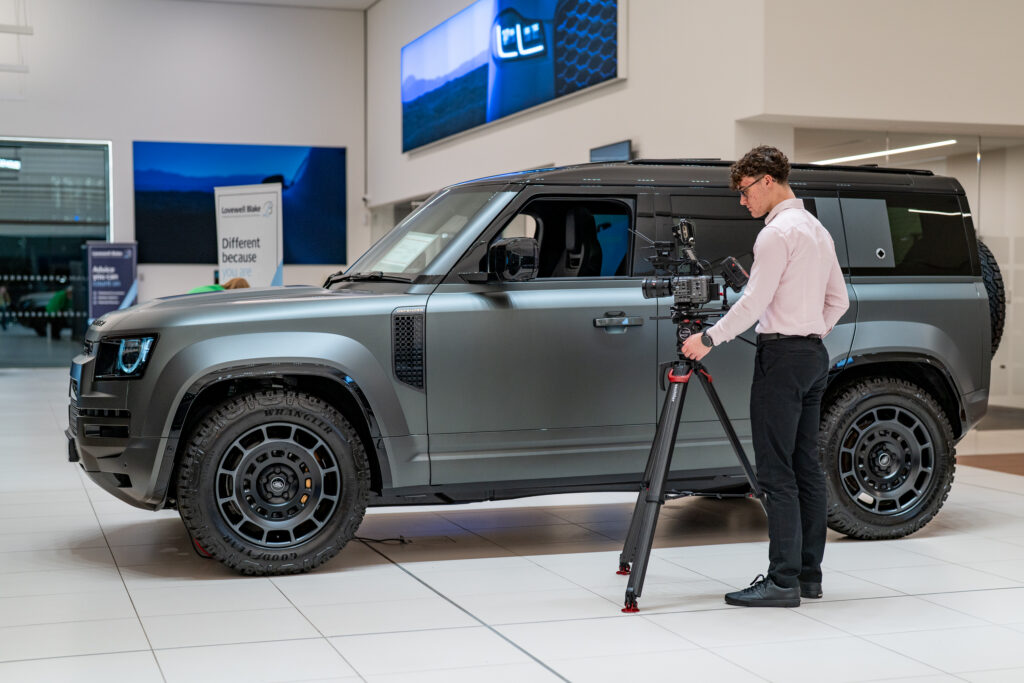
Choosing between video production companies in Norfolk
There are a good number of us working in and around Norwich, and most are perfectly competent. They are also not all aiming at the same thing, which is the bit that catches businesses out.
Some studios here are built around animation and explainer content.
Some specialise in television advertising and cinematic brand work with the budgets that go with it. Some are documentary makers doing excellent work in the charity and environmental sector.
Some are full agencies who will also want to talk to you about your website and your SEO.
None of that is a criticism. It does mean that the fastest way to shortlist is to work out what a supplier does most weeks, rather than what their homepage says they can do.
We shoot commercial and corporate work. Business films, interviews, testimonials, product and process footage, event coverage, recruitment content, social cuts, aerial, and the stills that go with all of it.
That is the work, week in and week out, and it is the only sector we work in.
No weddings, no family portraits, no pets. We also don’t di our toes in those blockbuster advert styled videos or CGI product shots. That’s just not us.
What we do offer is great quality, affordable content for businesses who are looking for evergreen content that supports their business or products or services in a professional, high quality way. Content that lasts but doenlt break the bank.
We know our place in the market, it;s what we’ve developed and worked with over the past 14 years and our clients return time and time again.
Three practical filters worth applying to anyone you are considering, including us:
Ask to see work in your sector, filmed in the last eighteen months. Not the showreel. The showreel is the six best seconds of every job somebody has ever done. Ask for a full film, start to finish, made for a business roughly like yours.
Ask what happens if the day overruns or the weather turns. The answer tells you whether they have done this often enough to have a plan.
Ask for the price before you ask for the idea. Anyone can pitch you something brilliant. The question is whether they can build it for what you have. Many clients are off-put when you ask for the budget, but it’s no good pitching a £10K video production when the client will only ever have £4K.
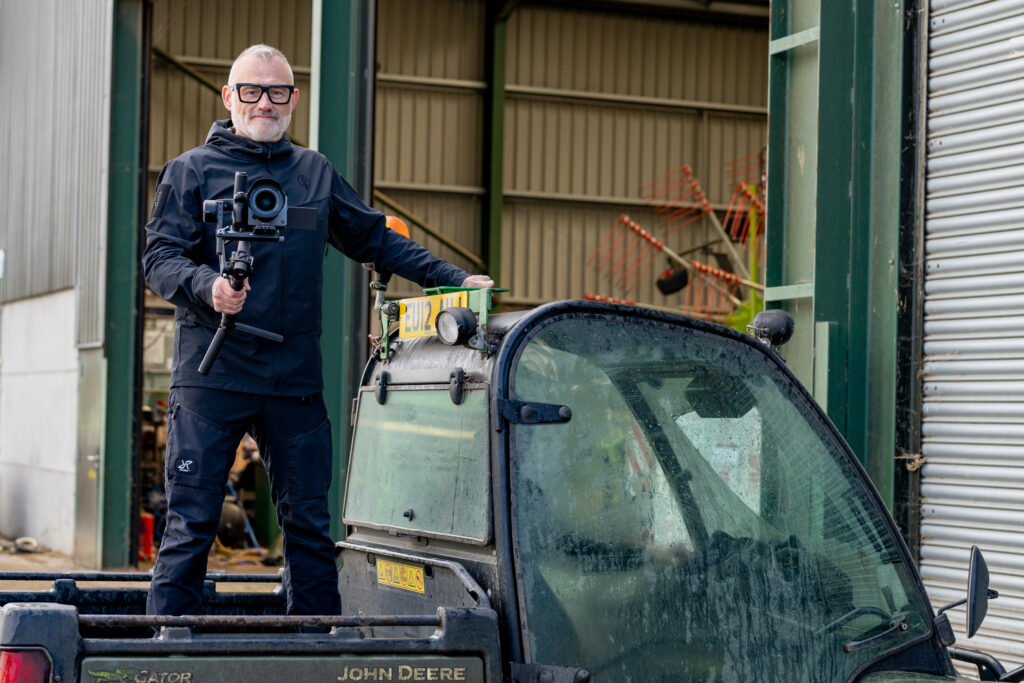
How we work
I run Blanc Creative from Norwich, and we work across Norfolk, East Anglia and the whole of the UK.
Video production in Norwich and Norfolk is where we started and where a lot of our clients still are, but a good chunk of our filming happens well outside the county, because it is normally the story that dictates the location, not the postcode.
The thing that tends to matter most to clients is that video, photography, aerial and podcast content all come from one brief and one crew.
If you commission a brand film and separately commission stills, you generally end up with two sets of material that do not look like they belong to the same company.
Shot together, they do. Our long running content work with clients like Archers Butchers,and Lovewell Blake, runs on exactly that basis, seasonal video and stills captured on the same days, feeding the website, the socials and the campaigns that follow.
Frequently asked questions about video production for business
How much does a corporate video production cost in Norwich?
It depends almost entirely on filming days and the number of finished versions.
A single day shoot producing one main film and a handful of social cuts is a very different job from a scripted brand film across several sites.
| What you are buying | Typical range + VAT | What that normally includes |
| Half day social content shoot | From £800 | One operator, one location, 2-3hours, several short vertical cuts with subtitles |
| Single talking head or testimonial film | From £1000 | From half day with one or two cameras, proper sound, one finished film |
| Full day corporate video production | From £2000 | Crew of two, multiple locations or interviewees, main film plus a family of shorter versions |
| Brand film with scripting and voiceover | From £4500 | Scripting, multi day filming, licensed music, motion graphics, several deliverables |
| Event video production | From £1200 | Coverage on the day, fast turnaround highlights cut, longer record edit if needed |
| Aerial and drone add on | From £500 | CAA compliant flight, planning and permissions, graded aerial sequences |
The ranges above cover most commercial work in the region, and our published rates are on the video production page.
How long does video production take from brief to delivery?
For a straightforward promotional film, allow two to three weeks from filming to final delivery, with the edit and one or two rounds of amends inside that. Larger projects with scripting, multiple shoot days and motion graphics usually run four to eight weeks. Event highlights can be turned around in days when that is agreed in advance.
Do I need a script?
Not always. Testimonials and interview led films work better without one, because scripted people sound scripted. Brand films, product explainers and anything with a voiceover almost always need one. Working out which of those you have is part of pre-production.
How long should a business video be?
For a website homepage, sixty to ninety seconds. For a case study or brand film, two to three minutes. For social, fifteen to thirty seconds and built vertical. The honest answer is that length should be decided by how much material genuinely holds attention, not by a number picked before filming.
Can one shoot produce content for several platforms?
Yes, and it should. One filming day can produce a main film, a shorter conference cut, vertical social clips with subtitles, an advertising cut and stills for the website. Each version carries some editing time, but it is a fraction of the cost of filming again.
Do you only work in Norwich and Norfolk?
No. Norwich is home and a lot of our clients are here, but we film across East Anglia and the whole of the UK, and have worked further afield than that. The story usually decides the location, not the postcode.
Are you insured, and can you work on site?
Yes. Public liability cover, risk assessments and method statements where a site needs them, and CAA compliant drone operation for any aerial work. If your site has an induction process, we will do it.
Who owns the finished video?
You do, for the agreed usage. What matters is that the music licensing covers how you intend to use it, particularly if the film is going into paid advertising, and that anyone appearing on camera is happy to be there.
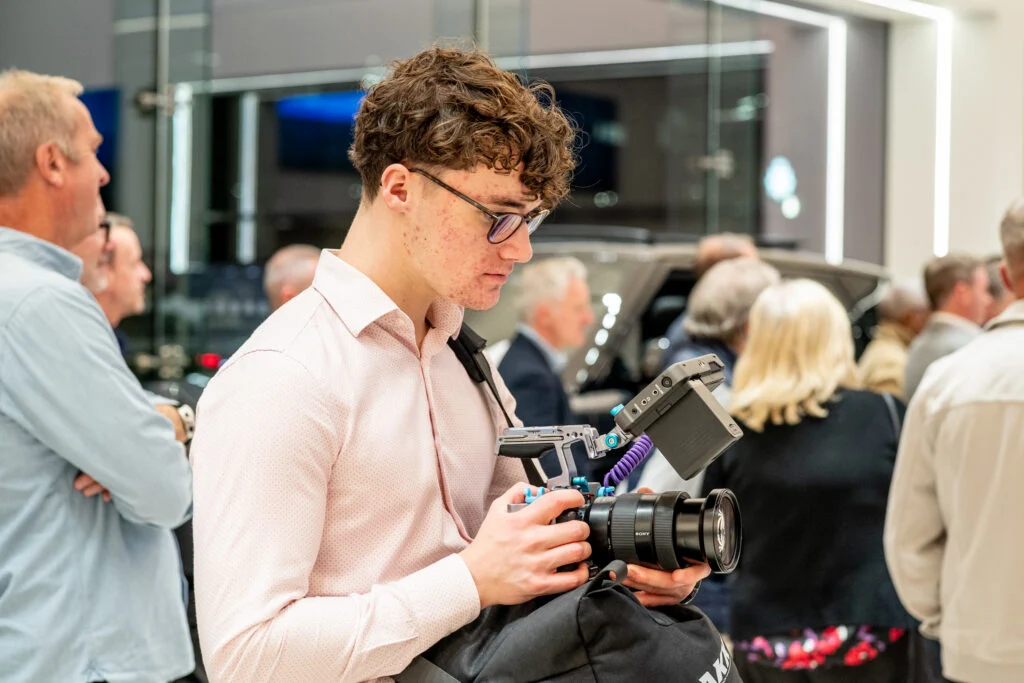
Before you commission anything, ask yourself these
- What has to change after this video production goes live
- Who is the film for, and where will they watch it
- Who is on camera, and are they willing
- How many versions do you actually need, and for which platforms
- Who signs it off, and how many people are in that chain
- How long does this video production need to last
- What happens to it after launch, and who is responsible for putting it out
If you can answer those seven, any decent video production company can give you an accurate quote. If you cannot answer them yet, that is fine too. That is the conversation.
Let’s talk about your video production
If you have got as far as “we need a video” and you are not sure what comes next, that is the normal starting point and we’re happy to work through it with you.
There’s no obligation, no hard sell, and we will tell you honestly if what you want does not need a film at all and if it does, what needs to be included and what doesn’t.
Have a look at the commercial video production services page for our current rates and recent work, or get in touch and tell me what has to be true after the film goes live.
Lee Blanchflower
Blanc Creative, Norwich | studio@blanc-creative.com | 07871 364041